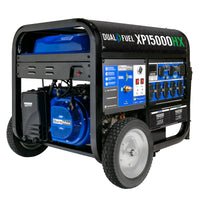
Are you wondering how to keep your dual fuel generator in top condition when it’s not in use? Proper storage is crucial to ensure it runs smoothly when you need it most.
Imagine the frustration of a power outage, only to find your generator isn’t working because it wasn’t stored correctly. You want peace of mind, knowing your investment is protected and ready to perform. By learning the right storage techniques, you not only extend the lifespan of your generator but also save yourself time and money in the long run.
Dive into this guide to discover simple yet effective steps to store your dual fuel generator safely and efficiently. Your future self will thank you for it.
Choosing The Right Storage Location
Indoor storage keeps your generator safe from weather. Rain and sun can harm it. A garage or shed is a good choice. Make sure the space is dry and clean. Outdoor storage might be easier for some. But, you need a strong cover. A tarp or special cover works well. Keep it off the ground to stop water damage.
Climate affects your generator’s health. In cold places, keep it warmer indoors. This helps it start easier later. In hot areas, avoid direct sunlight. Shade is important for outdoor storage. High humidity can cause rust. Use a dehumidifier indoors if needed. Always check the generator for signs of wear. Regular checks keep it running longer.
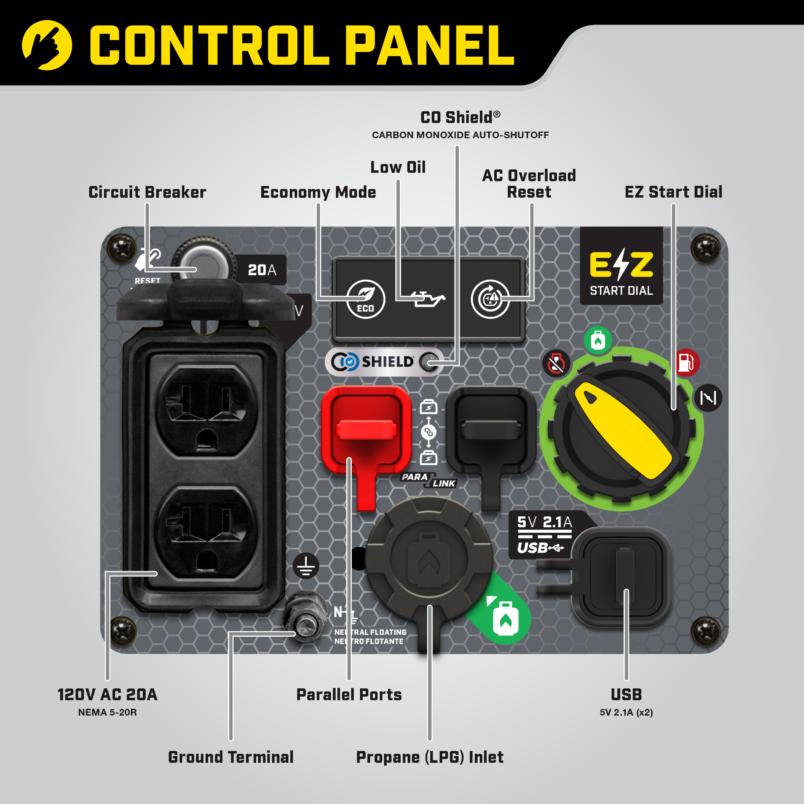
Credit: www.championpowerequipment.com
Preparing The Generator For Storage
Clean the generator thoroughly before storage. Drain fuel and oil to prevent leaks or damage. Store in a dry, cool place away from moisture and direct sunlight.
Cleaning The Exterior
Use a soft cloth to wipe the generator’s surface. Remove any dust or dirt. Clean all vents gently. Ensure no debris is left behind. Check for any signs of rust or damage. Apply a protective coat if needed. This keeps the generator safe while stored.
Fuel System Maintenance
Drain the fuel tank completely. Use a siphon pump if available. Run the generator until it stops. This uses up any remaining fuel. Add fuel stabilizer to prevent corrosion. Check fuel lines for leaks. Replace damaged parts immediately. This ensures the fuel system stays clean.
Battery Care And Maintenance
Always disconnect the batterywhen storing your generator. This prevents any power drain. Use a wrench to loosen the battery terminals. Start with the negative terminalfirst. This step is crucial to avoid sparks. Make sure the battery is stored in a dry place. Keep it away from direct sunlight and moisture.
Charge the battery every few months. This helps it stay in good shape. Use a trickle chargerfor best results. It keeps the battery charged without overcharging. Store the battery in a cool, dry area. Avoid places with extreme temperatures. This ensures the battery lasts longer. Always check for any leaks or damages. Replace if necessary to ensure safety.
Protecting Against Moisture And Dust
Proper storage is crucial to protect a dual fuel generator from moisture and dust. Use a waterproof cover and keep it in a dry, clean area. Elevate the generator on a platform to prevent water exposure and ensure the longevity of your equipment.
Using Covers And Tarps
Dual fuel generators need protection from moisture and dust. Covers help keep them safe. Use waterproof tarps to cover the generator. Secure the tarp well to avoid slipping. Choose a tarp that fits the generator size. Avoid gaps to stop dust from entering.
Ventilation Strategies
Generators need air to stay cool. Ensure good airflow around the generator. Place the generator in a spot with fresh air. Do not block vents or air outlets. Keep the area around the generator clear. Remove items that might block air circulation. Proper ventilation helps the generator work better.
Routine Checks And Inspections
Routine checks ensure your dual fuel generator stays in top shape. Inspect fuel lines, oil levels, and battery condition regularly. Store it in a dry, safe place to prevent damage.
Regular Visual Inspections
Look at the generator’s exterior often. Check for any signs of damage. Ensure there’s no dirt or debris. Examine cables and connections closely. Confirm they are securely attached. Inspect the fuel tank for leaks. A clean generator works better.
Testing Operational Readiness
Start the generator once a month. Listen for strange noises. Make sure it runs smoothly. Check if the lights and gauges work. Test the output with a light or fan. Make sure it produces power. Keeping it ready is very important.
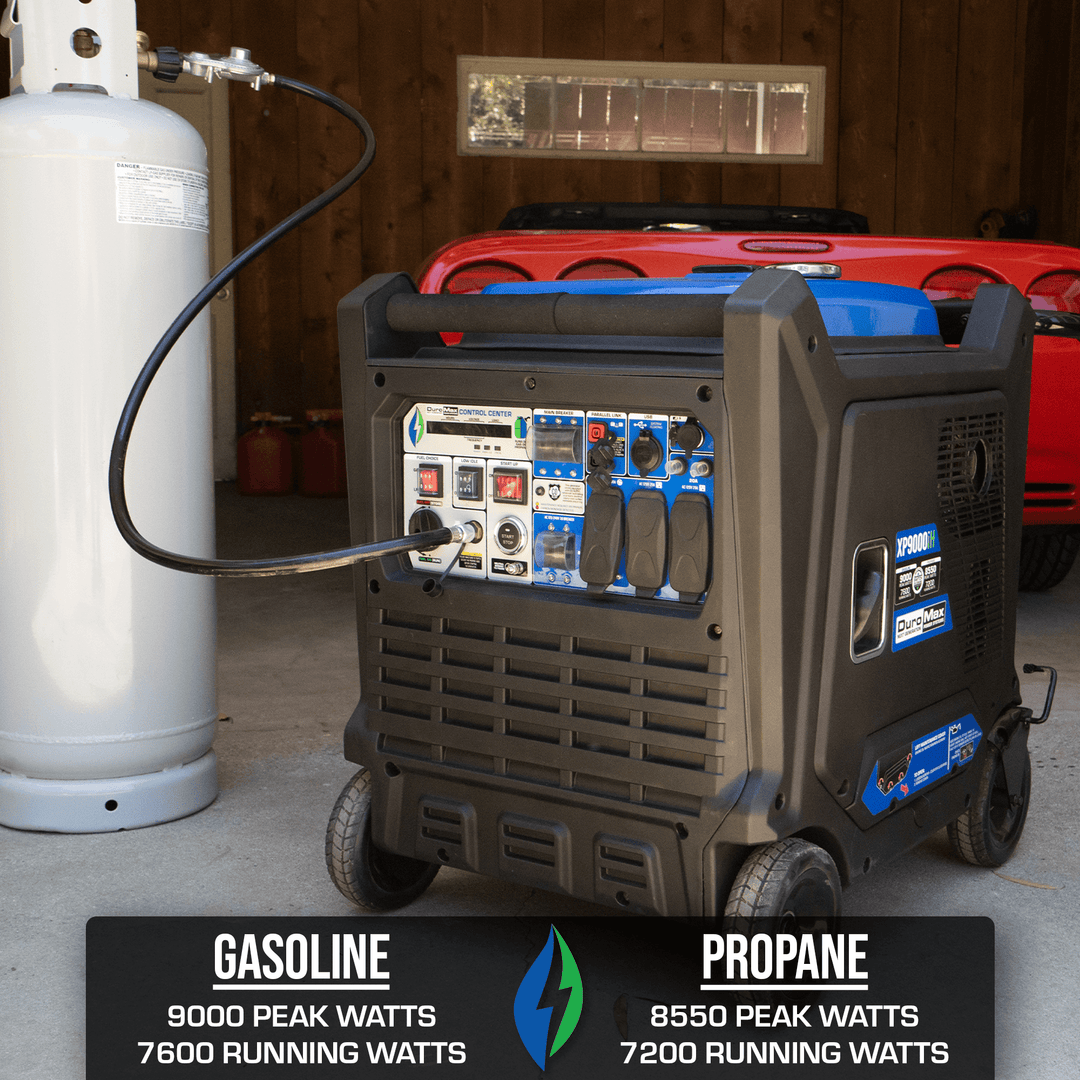
Credit: www.duromaxpower.com
Safety Measures For Long-term Storage
Ensure the dual fuel generator is clean and dry before storing. Use a fuel stabilizer to prevent fuel degradation. Store the generator in a cool, dry place away from sunlight to avoid damage.
Fire Safety Precautions
Keep the generator away from flammable items. Store it in a cool, dry place. Ventilation is important to prevent fuel vapors. Use a fire extinguisher nearby. Ensure the generator is turned off and cool before storage. Check for any fuel leaks regularly. Use approved containers for fuel storage. Avoid storing fuel near the generator. Remove any debris or oil build-up.
Security Considerations
Choose a secure location for storage. Lock the area if possible. Use a cover to protect the generator. Monitor the area regularly for safety. Keep it out of sight from strangers. Install a security camera if needed. Ensure proper lighting around the storage area. Avoid sharing storage location details publicly. Document the condition of the generator before storing.

Credit: westinghouseoutdoorpower.com
Frequently Asked Questions
How Do You Store A Generator When Not In Use?
Store the generator in a dry, cool place. Protect it with a cover to prevent dust and moisture. Drain fuel before storage. Remove and store the battery separately. Regularly check for leaks and damage.
Should You Drain Oil From A Generator For Storage?
Yes, drain the generator’s oil before storage to prevent engine damage. Clean oil helps in longer-lasting performance. Regular maintenance, including draining oil, ensures your generator remains efficient and ready for use. Always follow the manufacturer’s guidelines for proper storage procedures.
Do Generators Go Bad If Not Used?
Generators can deteriorate if left unused for long periods. Fuel can degrade, batteries can lose charge, and internal parts may corrode. Regular maintenance and occasional operation help keep them in good condition. Proper storage and periodic checks ensure reliability when needed.
How Long Can You Leave Gas Sitting In A Generator?
Gas can sit in a generator for up to six months. After that, it may degrade and cause issues. Use fuel stabilizers to extend its life. Regularly check and replace old gas to ensure optimal generator performance. Proper maintenance prevents engine damage and ensures reliability during emergencies.
Conclusion
Proper storage keeps your dual fuel generator ready. Clean the generator before storing. Check all parts for damage. Store in a dry and cool place. Use a protective cover to prevent dust. Disconnect the battery to avoid drainage. Regular maintenance helps avoid problems.
Follow these tips for long-lasting performance. Proper care ensures it starts when needed. Keep your generator safe and reliable. Enjoy peace of mind with a well-stored generator. Remember, small steps make a big difference. Your efforts today save trouble tomorrow.
Make storage simple and effective. Keep your investment secure.