
Are you prepared for power outages or emergency situations? Storing diesel for your generator might seem straightforward, but there’s more to it than meets the eye.
Whether you’re looking to power your home during a storm or ensure your business runs smoothly, knowing how to properly store diesel can make all the difference. Imagine the peace of mind you’ll have, knowing that when the lights go out, you’re ready to keep them on.
In this guide, we’ll unravel the secrets to storing diesel safely and efficiently, ensuring your generator is always ready to roar to life. Stay tuned to discover essential tips that could save you time, money, and headaches.

Credit: ade-power.com
Choosing The Right Container
Containersfor storing diesel must be made of durable, fuel-safe materials. Metal cans or high-density polyethylene (HDPE) are best choices. These materials resist corrosion and chemical damage.
Choosing the right sizehelps with easy handling and storage. Small containers are easier to move but hold less diesel. Large containers store more but can be heavy and hard to carry.
- Metal containersare strong but can rust over time.
- Plastic containersare lightweight and resistant to rust.
- Pick a container with a tight sealto stop leaks and evaporation.
- Safety featureslike child-proof caps and venting systems are important.
Ideal Storage Conditions
Temperature controlis key for storing diesel fuel safely. Keep diesel in a cool, stable place. Avoid places that get too hot or cold. High heat speeds up fuel breakdown. Cold can cause diesel to gel and clog your generator.
Avoiding moistureprotects diesel from damage. Water can cause rust and fuel contamination. Use containers with tight lids to keep moisture out. Store diesel off the ground to prevent water seepage. Check fuel often for water or dirt.
Protection from sunlighthelps keep diesel fresh. Sunlight breaks down diesel and causes evaporation. Store diesel in opaque, sealed containers. Keep tanks in shaded or indoor areas. This reduces fuel loss and keeps quality high.
Fuel Stabilization Techniques
Additiveshelp keep diesel fresh for longer periods. They stop the fuel from breaking down and reduce gum and varnish buildup. Using fuel stabilizers can prevent fuel from going bad during storage.
Regular fuel rotationmeans using older diesel first and replacing it with new fuel. This helps avoid storing diesel for too long. Fuel stored for more than six months may lose quality and harm your generator.
Cleaning and filtering diesel removes dirt, water, and other impurities. Use a fine filter before adding fuel to the generator. This keeps the fuel system clean and prevents damage.
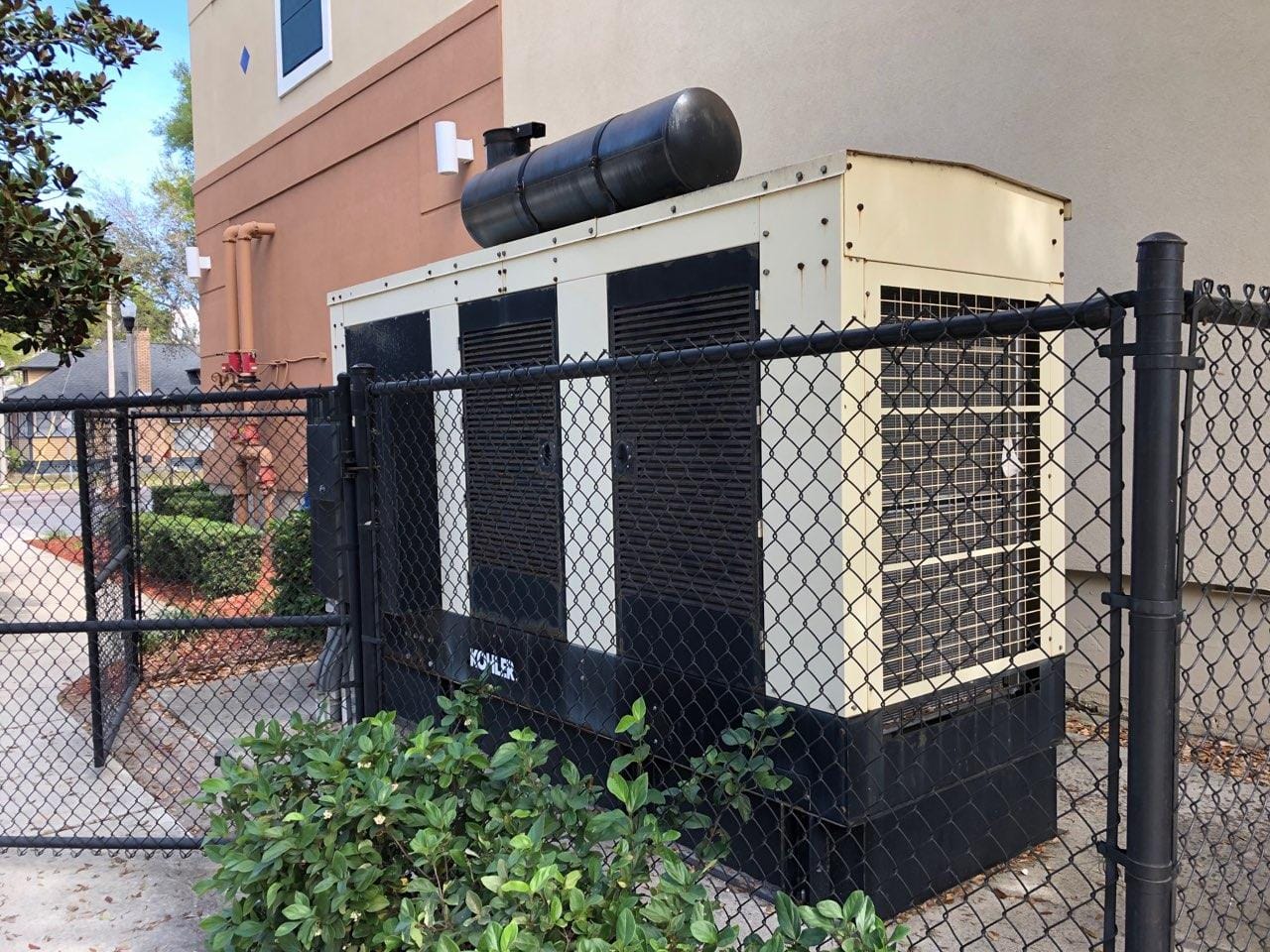
Credit: woodstockpower.com
Safe Handling Practices
Always fill diesel containers slowlyto avoid spills. Use funnels or pumps to direct fuel into tanks. Keep containers grounded to stop static sparks. Fill tanks only up to 95% full to allow fuel expansion.
Label all diesel containers clearlywith contents and date filled. Keep a logbook to track fuel quantity and refills. Proper documentation helps prevent mixing old and new diesel.
- Store diesel away from heat and flames.
- Keep spill kits nearby for quick cleanup.
- Inspect containers regularly for leaks or damage.
- Use approved containers designed for diesel storage.
- Place containers on stable, non-absorbent surfaces.
Monitoring Fuel Quality
Check diesel fuel by looking at its color and clarity. Clear diesel means good quality. Cloudy or dark fuel shows dirt or water inside. Small particles or layers on the surface also mean contamination.
Test diesel for water and dirt to keep the generator safe. Use a water detection kit or simple test tube. If water settles at the bottom, it can cause engine problems. Filter the diesel if small particles appear.
| Condition | Action |
|---|---|
| Water found in diesel | Drain water and filter fuel before use |
| Fuel looks cloudy or dark | Replace diesel to avoid damage |
| Diesel stored over 6 months | Test quality and consider replacement |
| Particles or sediment visible | Filter or change the fuel immediately |

Credit: www.bisonindustry.com
Legal And Environmental Considerations
Storage Regulationsrequire diesel to be kept in approved containers. These containers must be sealed tightly to avoid spills and leaks. Local laws often limit the amount of diesel stored at one place. Label containers clearly to show their contents. Keep storage areas away from heat sources and open flames. Proper ventilation is essential to reduce harmful fumes.
Disposal Guidelinesask for diesel waste to be handled carefully. Never pour diesel into drains or on the ground. Use designated disposal centers for old or contaminated diesel. Follow local rules to protect water and soil from pollution.
Environmental Impact Minimizationmeans preventing spills and leaks. Use spill trays and secondary containment. Check tanks and containers regularly for damage. Store diesel away from water bodies and wildlife habitats. Keep fire safety equipment nearby. These steps help keep the environment safe and clean.
Frequently Asked Questions
How Long Can Diesel Be Stored For Generators?
Diesel can be stored safely for 6 to 12 months. Use stabilizers to extend shelf life and prevent degradation. Store diesel in a cool, dry, and sealed container to maintain quality for longer periods.
What Is The Best Container For Storing Diesel?
Use approved, airtight containers made of metal or high-density polyethylene. These containers prevent contamination and evaporation. Avoid using old or rusty tanks to ensure diesel remains clean and safe for generator use.
How Should Diesel Be Stored To Avoid Contamination?
Store diesel in clean, sealed containers away from water and dirt. Regularly inspect storage tanks for leaks and sediment. Keep diesel away from direct sunlight and extreme temperatures to preserve fuel quality.
Can I Store Diesel Indoors Safely?
Yes, but only in well-ventilated areas away from heat sources. Use approved containers and follow local safety regulations. Proper ventilation prevents harmful fumes and reduces fire risks associated with diesel storage.
Conclusion
Storing diesel for your generator keeps it ready to use anytime. Always use clean, approved containers to avoid spills. Keep diesel in a cool, dry place away from sunlight. Check the fuel regularly to ensure it stays fresh. Proper storage helps your generator run smoothly and last longer.
Small steps can prevent big problems later. Stay safe and maintain your fuel well. This care saves time and money in the end. Diesel storage is simple with the right habits.