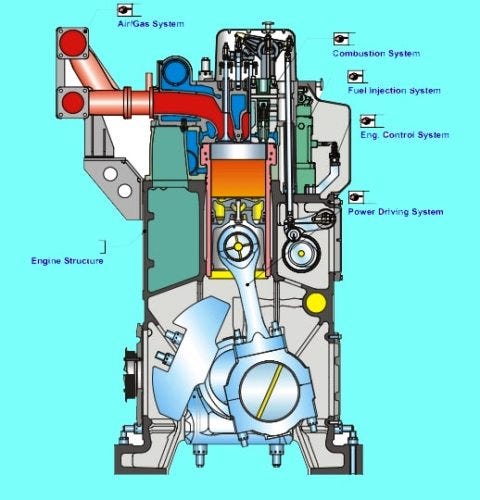
Storing fuel for your marine diesel generator is more than just a practical necessity; it’s the key to ensuring smooth sailing and uninterrupted adventures on the water. If you’ve ever faced unexpected generator issues while out at sea, you know how crucial reliable fuel storage can be.
Imagine the peace of mind that comes with knowing your generator will start without a hitch, no matter the conditions. By mastering the art of fuel storage, you’re not only safeguarding your equipment but also enhancing your overall boating experience.
Dive into this guide to discover simple yet effective strategies to keep your marine diesel generator fueled and ready, whenever you need it. Ready to sail through these insights? Let’s get started!
Credit: www.vevor.ca
Choosing The Right Fuel
Marine diesel generators use special types of fuel. The main types are marine diesel oil (MDO)and marine gas oil (MGO). MDO is heavier and less refined. MGO is cleaner and burns better. Choose the fuel type based on your engine’s needs and availability.
Fuel quality is very important. Clean fuel helps the engine run smoothly. Additives improve fuel by preventing rust and keeping fuel fresh. Some additives stop water from forming inside the tank. Others protect against bacteria that can grow in fuel. Always check fuel for water or dirt before storing it.

Credit: www.morganscloud.com
Selecting Safe Storage Containers
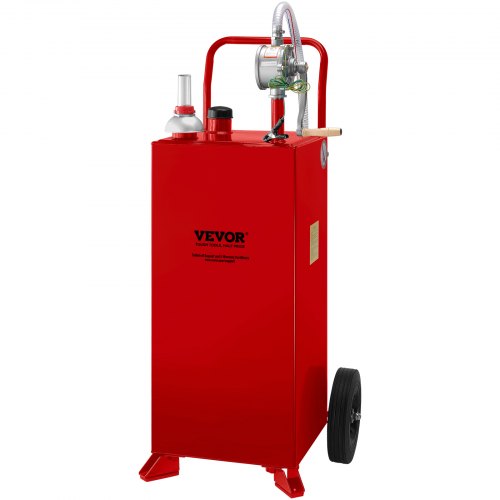
Diesel fuel needs safe containersto avoid leaks and spills. Containers made of steelor high-density polyethylene (HDPE)are best. They resist corrosion and keep fuel clean. Avoid containers that rust or break easily.
Choose containers with tight-fitting lidsto stop air and water from entering. This keeps diesel fresh and stops contamination. Containers should have vent capsto release pressure safely.
| Container Size | Common Use | Design Features |
|---|---|---|
| 5 to 20 liters | Small boats, short trips | Lightweight, easy to carry |
| 50 to 200 liters | Medium vessels, longer trips | Sturdy, stackable, with handles |
| Over 200 liters | Large boats, long voyages | Heavy-duty, secure lids, vents |
Preparing Storage Location
Good ventilationkeeps fuel vapors from building up. It lowers the risk of fire and keeps air fresh. Ventilation should allow air to flow freely around the fuel tank.
Temperature controlis key to keeping diesel fuel stable. Store fuel in a cool, shaded place. Avoid direct sunlight and places near heat sources. High temperatures can make fuel break down faster.
Keep fuel storage clean and dry to stop contaminantslike dirt, water, and rust from getting in. Use sealed containers and check them often. Contaminants can clog the generator and cause damage.
Fuel Handling Best Practices
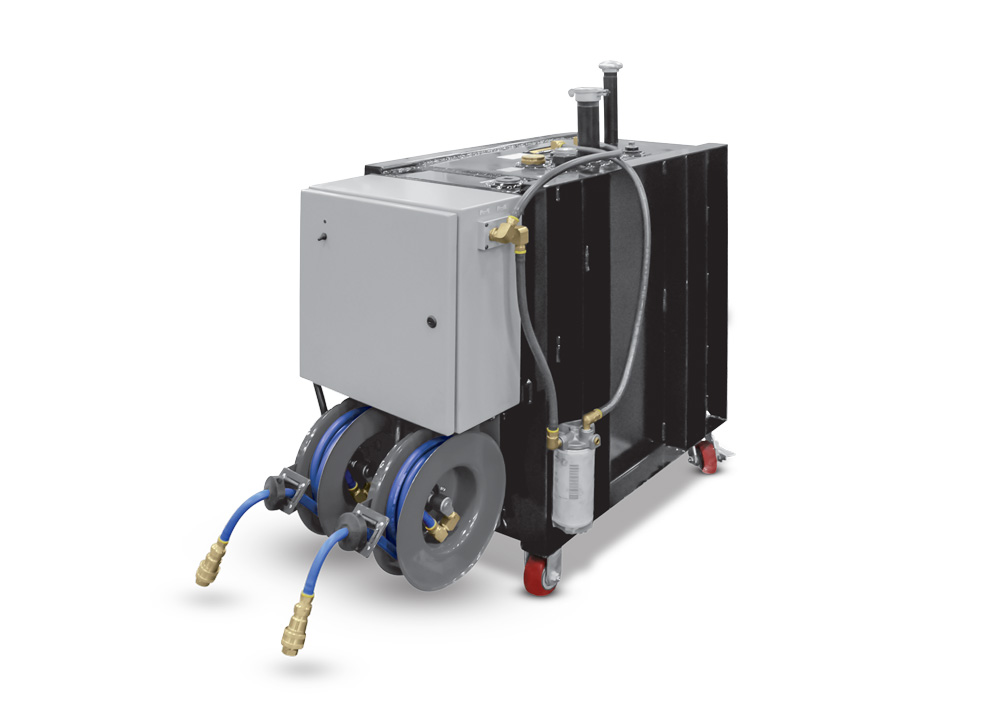
Always use proper containersthat are sealed and made for fuel storage. Transfer fuel slowly to avoid splashing. Use a funnel or pump designed for diesel fuel to control flow. Keep transfer areas clean and clear of ignition sources. Ensure hoses and connections are tight and in good condition. Check for leaks before and after transfer.
Spills can cause safety hazards and environmental damage. Use drip trays or mats under transfer points. Have absorbent materials nearby to catch spills quickly. Clean up any leaks immediately using approved methods. Store fuel away from heat, sparks, and open flames. Label containers clearly to avoid confusion. Regularly inspect storage tanks and equipment for damage or leaks.
Monitoring And Maintenance
Regularly check the fuel tank and generator for any signs of leaks or damage. Inspect fuel lines and connections to ensure they are tight and clean. Look for dirt, rust, or debris in the fuel system. Clean or replace filters as needed to keep fuel flowing smoothly. Keep a log of inspection dates and any maintenance done. This helps track issues and plan repairs.
Water in diesel fuel can cause engine problems and corrosion. Detect water by using a water-finding paste or by draining a small amount from the fuel tank bottom. If water is found, remove it immediately using a fuel water separator or by draining the tank. Keep fuel storage areas dry and sealed to reduce moisture. Regular checks prevent water buildup and keep your generator running well.
Safety Measures And Regulations
Fire preventionis vital when storing fuel for marine diesel generators. Store fuel in approved containersaway from heat and open flames. Ensure proper ventilationin storage areas to prevent vapor buildup. Keep a fire extinguishernearby, suitable for fuel fires. Avoid smoking or using spark-producing tools near fuel storage. Regularly check for leaks or damage in containers and pipes.
Maritime fuel storage lawsset strict rules to protect people and the environment. Store fuel only in approved tanksthat meet safety standards. Label all containers clearly with fuel type and hazards. Follow local and international regulations, such as the International Maritime Organization (IMO)guidelines. Keep records of fuel amounts and storage conditions. Regular inspections by authorities may be required to ensure compliance.
Emergency Response Planning
Spill response proceduresare vital for marine diesel fuel safety. Quick action can stop spills from spreading. Use absorbent pads or booms to contain fuel. Report spills to the right authorities immediately. Keep spill kits near fuel storage areas for fast use. Never wash spills into drains or water. Proper cleanup protects the environment and crew.
Fire emergency actionsmust be clear and practiced. Evacuate the area fast and call emergency services. Use fire extinguishers designed for fuel fires, like foam or dry chemical types. Avoid using water, as it can spread fuel fires. Turn off fuel pumps and electrical equipment if safe. Keep fire blankets and extinguishers accessible near fuel storage.
Credit: powertestdyno.com
Frequently Asked Questions
How Should Marine Diesel Fuel Be Stored Safely?
Store marine diesel fuel in clean, sealed containers away from heat. Use approved tanks and keep them well-ventilated. Regularly inspect for leaks and contamination to ensure safety and fuel quality.
What Is The Ideal Temperature For Storing Marine Diesel?
Marine diesel should be stored between 40°F and 80°F. Avoid extreme temperatures to prevent fuel degradation and condensation. Stable temperature preserves fuel quality and extends storage life.
How Long Can Marine Diesel Fuel Be Stored?
Marine diesel fuel can be stored up to 12 months if properly maintained. Use fuel stabilizers and keep tanks clean to prevent microbial growth and oxidation.
Why Is Fuel Filtration Important For Marine Diesel Generators?
Fuel filtration removes water and impurities that damage the engine. Clean fuel ensures efficient combustion, reduces wear, and extends generator life. Regular filter changes are essential.
Conclusion
Storing fuel correctly keeps your marine diesel generator ready and safe. Clean containers prevent dirt and water from mixing with fuel. Keep fuel away from heat and sunlight to avoid damage. Regular checks help spot problems early and save money.
Proper storage extends fuel life and improves engine performance. Simple steps make a big difference in fuel care. Follow these tips to ensure smooth generator operation every time. Safe fuel storage protects your investment and your boat.