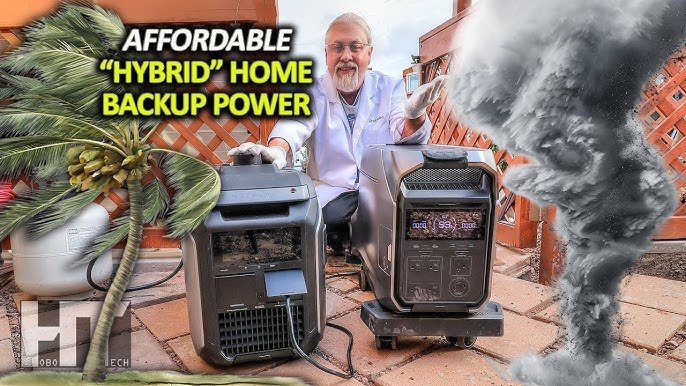
When a hurricane is on the horizon, the last thing you want is to be left in the dark. A reliable generator can be your lifeline during power outages, but what about its battery?
Proper storage of your generator battery is crucial to ensure it’s ready to power up when you need it most. Neglecting this simple task could leave you scrambling in an emergency. Imagine the peace of mind knowing your backup plan is solid and dependable.
By following a few easy steps, you can extend the life of your battery and make sure it’s in top condition when the storm hits. Are you ready to learn how to store your generator battery effectively for hurricane season? Let’s dive in, so you can stay safe and prepared.
Choosing The Right Battery
Choosing the right generator battery is key for reliable hurricane backup power. Different types of batteriessuit various needs. Lead-acid batteries are common, affordable, and easy to maintain. Lithium-ion batteries last longer and weigh less but cost more.
Battery capacity and size must match your generator’s power needs. Larger capacity means longer backup time but requires more space. Small batteries fit compact generators but offer shorter backup.
Battery quality and brand affect safety and performance. Trusted brands often provide better warranty and support. Low-quality batteries may fail during storms, risking power loss.
| Battery Type | Advantages | Disadvantages |
|---|---|---|
| Lead-Acid | Affordable, easy to find, simple maintenance | Heavier, shorter lifespan |
| Lithium-Ion | Lightweight, longer life, efficient | Higher cost, requires special charger |

Credit: capefearsolarsystems.com
Preparing The Battery For Storage
Clean battery terminals by wiping off dirt and corrosion. Use a mixture of baking soda and water for stubborn spots. Dry the terminals well to stop moisture damage. Clean terminals help the battery work better and last longer.
Check the electrolyte levels by opening the battery caps carefully. The liquid should cover the plates inside. Add distilled water if the level is low. Avoid overfilling to prevent leaks.
Fully charge the battery before storing it. A full charge stops the battery from losing power over time. Use a charger that fits your battery type. Charging also helps avoid damage during storage.
Optimal Storage Conditions
Temperaturemust stay between 50°F and 77°F for best battery life. Too hot or cold can damage it. Keep humidity low to stop rust and corrosion. A dry place is key.
Store the battery in a safe, dry location. Avoid basements or garages prone to moisture. An elevated shelf or plastic container helps protect from spills or floods.
Keep the battery away from direct sunlight. Sunlight heats the battery and shortens its life. A shaded area or indoors is best.

Credit: www.ecoflow.com
Maintenance During Storage
Keeping the generator battery charged is key during storage. A regular charging schedulehelps prevent battery loss. Charge the battery every 30 days to keep it healthy.
Check the battery for corrosion and damageoften. Corrosion can appear as white or green powder near terminals. Clean terminals with a mixture of baking soda and water. Tighten any loose connections to avoid power loss.
| Task | Frequency | Details |
|---|---|---|
| Charge Battery | Every 30 days | Use a charger made for generator batteries |
| Inspect for Corrosion | Every 2 weeks | Look for powder on terminals; clean if found |
| Monitor Voltage | Weekly | Use a multimeter to check voltage levels |
Use a multimeter to monitor battery voltage. The voltage should stay above 12.4 volts for a good charge. Low voltage means the battery needs charging or replacing.
Handling And Safety Tips
Always wear glovesand safety glasseswhen handling batteries. Batteries contain acid that can harm your skin and eyes. Use a mask if you are in a dusty or poorly ventilated area. Keep a first aid kit nearby in case of accidents.
Transport batteries in an upright positionto prevent leaks. Secure the battery in your vehicle to stop it from moving. Avoid placing batteries near metal objects that can cause a short circuit. Use a battery box or a sturdy container for extra safety.
- Do not throw old batteries in the trash.
- Take them to a recycling centeror hazardous waste facility.
- Keep old batteries in a cool, dry place until disposal.
- Check local rules for battery disposal to avoid fines.
Preparing Battery For Use After Storage
Check the battery for any dirt, corrosion, or damage. Clean terminals with a soft brush and baking soda mix. Wipe the battery case with a damp cloth. Make sure all connections are dry before use.
Charge the battery fully before installing it in the generator. Use a charger suited for your battery type. Avoid overcharging to protect battery life.
| Test | What to Look For | Action |
|---|---|---|
| Voltage Check | Should be near full charge voltage | Charge if low |
| Load Test | Battery holds power under load | Replace if power drops quickly |
| Visual Inspection | No cracks or leaks | Do not use if damaged |

Credit: www.batteriesplus.com
Frequently Asked Questions
How Should I Prepare My Generator Battery For Storage?
Clean the battery terminals and fully charge it before storage. Store the battery in a cool, dry place away from direct sunlight and moisture to prevent damage.
What Is The Ideal Temperature For Storing A Generator Battery?
The ideal storage temperature is between 50°F and 77°F (10°C to 25°C). Extreme temperatures can reduce battery life and performance.
Can I Leave My Generator Battery Connected While Storing?
It’s best to disconnect the battery during storage to prevent discharge. Reconnect and recharge it regularly to maintain its health.
How Often Should I Check My Stored Generator Battery?
Check the battery every 1-2 months. Recharge if the voltage drops below 12. 4 volts to ensure it stays healthy.
Conclusion
Storing your generator battery properly keeps it ready for hurricanes. Keep it in a cool, dry place away from direct sunlight. Check the battery regularly to avoid damage or leaks. Use a battery maintainer to keep it charged. Clean the terminals to prevent corrosion.
These simple steps help your backup power work when you need it most. Stay prepared and safe during storm season.