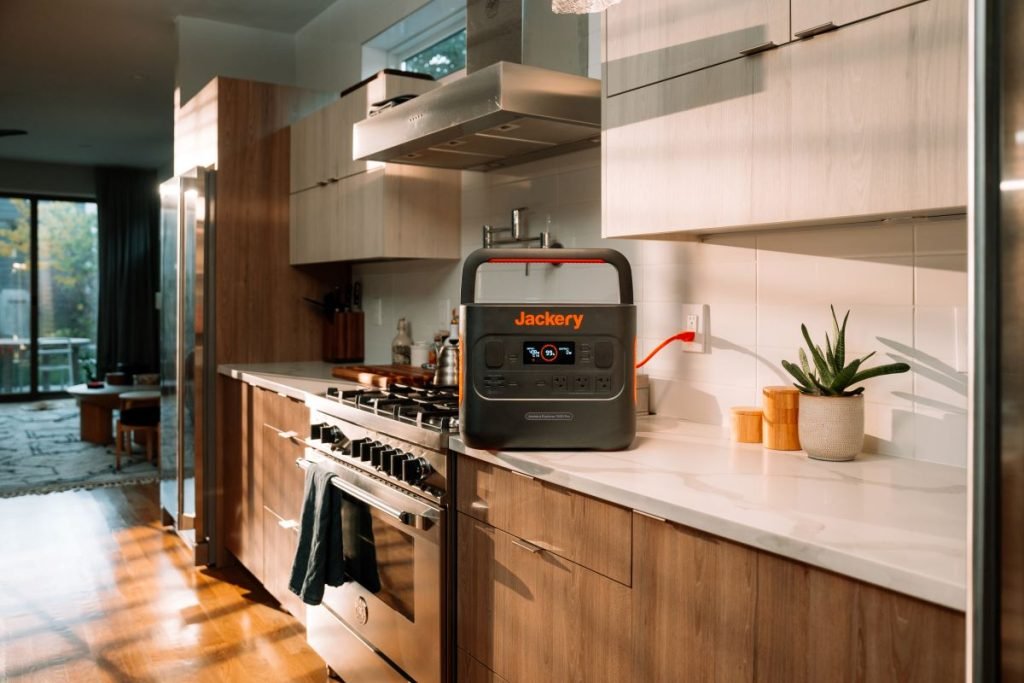
Are you tired of dealing with generator battery issues that seem to pop up out of nowhere? Properly storing your generator battery might be the solution you need.
Imagine the peace of mind that comes with knowing your backup power is ready to go when you need it most. By learning the right storage techniques, you can extend your battery’s life and ensure it performs at its best.
In this guide, we’ll walk you through simple yet effective steps to store your generator battery safely. Get ready to gain valuable insights and take control of your power needs. Keep reading to discover how a few strategic actions can make all the difference for your generator battery.
Choosing The Right Storage Location
Choose a cool, dry placeto store your generator battery. Avoid spots with high heat, as too much warmthcan damage the battery and shorten its life. A temperature between 50°F and 77°F (10°C and 25°C)is best.
Keep the battery away from areas with moisture or high humidity. Water can cause corrosionand harm the battery’s parts. Use a sealed containeror cover the battery to protect it from dampness.
Good ventilationhelps keep the battery safe. It allows any gases to escape and stops heat build-up. Store the battery in a place with airflow, but avoid direct wind or rain.
Preparing The Battery For Storage
Cleaning the battery is a key part of storage. Use a damp cloth to wipe away dirt and grime. Avoid using harsh chemicals that could damage the battery surface. Check the terminals for corrosion. If needed, clean terminals gently with a mixture of baking soda and water. Rinse and dry thoroughly to prevent rust.
Maintaining charge levels is important. Batteries lose charge over time. Check the voltage regularly using a voltmeter. Keep the battery charged between 40% and 60% for best storage. Use a trickle charger if possible to keep the battery healthy and ready to use.
Disconnecting the battery safely helps avoid damage. Always turn off the generator before disconnecting. Remove the negative (-) cable first to prevent sparks. Then remove the positive (+) cable. Store the battery in a cool, dry place away from metal objects.
Proper Storage Techniques
Using battery trays and covershelps keep the battery stable and clean. Trays stop the battery from moving or tipping over. Covers protect it from dust, dirt, and moisture. Always choose trays made of non-conductive materialto avoid short circuits.
Position the battery with terminals facing up. This prevents acid leaks and damage. Place the battery on a flat, dry surfaceaway from heat and sunlight. Avoid stacking heavy items on or around it.
- Keep the battery away from sharp objects that can cause cracks.
- Do not drop or shake the battery; it may harm internal parts.
- Check for any signs of damage regularly.

Credit: solarips.com
Regular Maintenance During Storage
Keeping the generator battery in good condition is key for long life. A periodic charging schedulehelps maintain battery power. Charge the battery every 30 days to avoid deep discharge.
Check the battery for corrosion and damageregularly. Look at terminals and cables. Clean any rust or white powder using a mix of baking soda and water. Replace damaged parts to keep the battery safe.
Testing battery health is important. Use a multimeter to check voltage. A fully charged battery usually shows around 12.6 volts. If the voltage drops below 12.4 volts, it might need charging or replacement.
Safety Precautions
Battery acid is dangerous. Always wear glovesand gogglesto protect skin and eyes. Keep acid away from children and pets. Use a neutralizerlike baking soda to clean spills quickly.
Short circuits can cause fires. Cover battery terminals with insulating tapeor plastic caps. Store batteries in a dry, coolplace. Avoid metal objects near battery terminals to prevent accidental contact.
Old batteries must be thrown away safely. Never put them in the trash. Take batteries to a recycling centeror hazardous wastedisposal site. This helps protect the environment from harmful chemicals.
Credit: www.justkampersinsurance.com

Credit: electrical.theiet.org
Frequently Asked Questions
How Do I Store A Generator Battery Safely?
Store the generator battery in a cool, dry place away from direct sunlight. Keep it upright and avoid extreme temperatures. Ensure terminals are clean and covered to prevent corrosion. Regularly check the battery charge to maintain its health and longevity.
Can I Store A Generator Battery Indoors?
Yes, you can store a generator battery indoors. Choose a well-ventilated area that is dry and away from heat sources. Avoid damp locations to prevent rust and damage. Proper indoor storage helps maintain battery performance and extends its lifespan.
How Often Should I Check My Stored Generator Battery?
Check your stored generator battery every 1 to 3 months. Inspect for corrosion, leaks, or damage. Test the charge level and recharge if it drops below 50%. Regular checks prevent battery failure and ensure it is ready when needed.
What Is The Best Temperature For Storing Generator Batteries?
Ideal storage temperature is between 50°F and 77°F (10°C to 25°C). Avoid freezing or high heat above 95°F (35°C). Extreme temperatures can reduce battery life and performance. Maintaining moderate temperature helps preserve battery health.
Conclusion
Storing your generator battery safely protects it from damage. Keep it in a cool, dry place away from direct sunlight. Check the battery regularly to avoid leaks or corrosion. Always keep the terminals clean and secure. Use a proper charger to maintain battery power.
Proper storage helps the battery last longer and work better. Stay safe by following these simple steps every time. Your generator will be ready when you need it most. Safe storage matters for reliable power backup.