
Are you tired of dealing with a dead generator battery just when you need it the most? You’re not alone.
Properly storing your generator battery can mean the difference between a seamless power backup experience and a frustrating power outage. In this guide, you’ll discover simple yet effective strategies to ensure your generator battery remains in peak condition. Imagine never having to worry about whether your generator will start in an emergency.
By following these tips, you can extend the lifespan of your battery and ensure it’s always ready to power your essentials when it matters most. Ready to learn how to store your generator battery the right way? Let’s dive in!

Credit: energydigital.com
Choosing The Right Storage Location
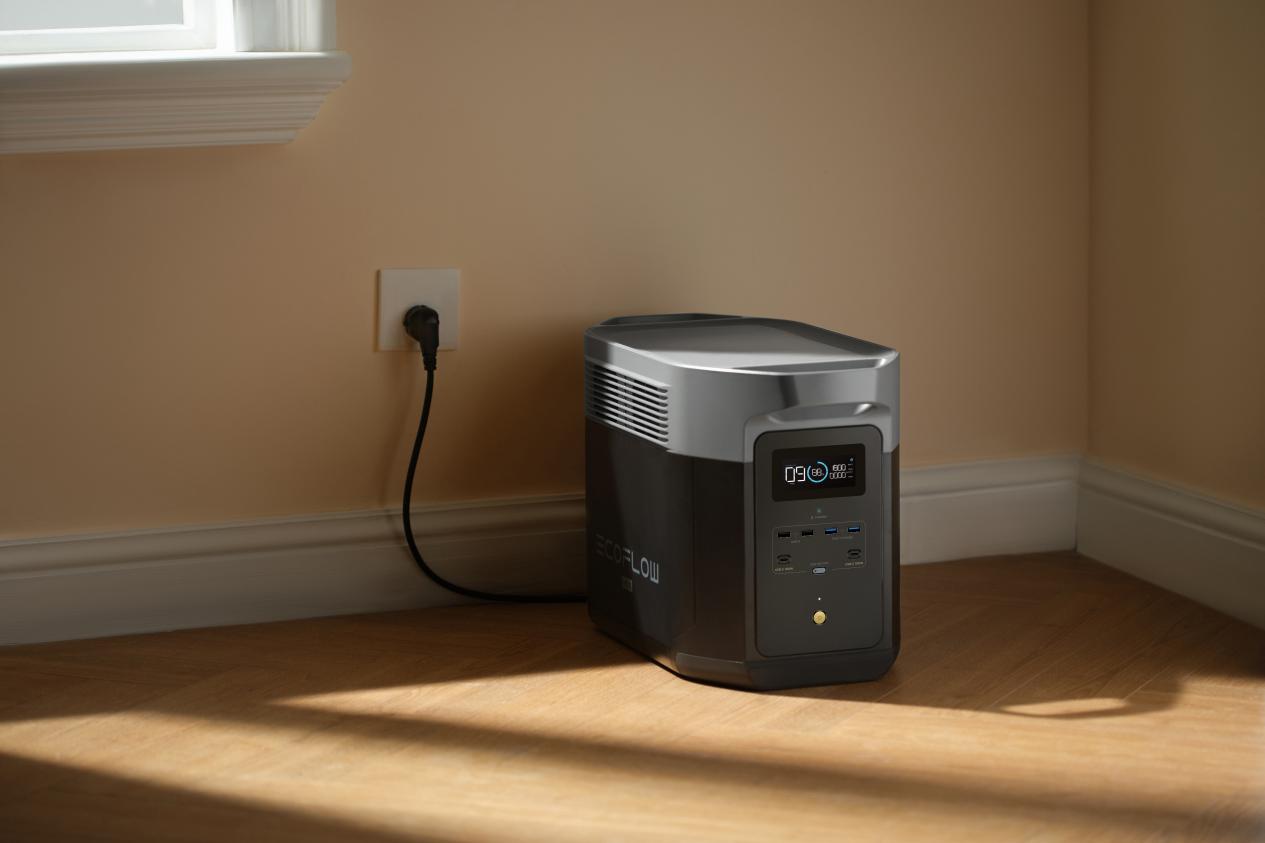
Choose a storage place with a stable temperature. Batteries last longer in cool, dry areas. Avoid places with extreme heat or cold. Too much heat can damage the battery. Cold can reduce its power temporarily.
Keep the battery away from moisture. Water causes corrosionon battery terminals. Corrosion lowers battery performance. Store the battery on a raised surface to avoid ground moisture. Use a cover to protect it from rain and spills.
Pick a spot that is safeand easy to reach. Avoid places near children or pets. Make sure the battery is not near flammable materials. Good airflow helps prevent overheating. Check the battery often to keep it in good shape.
Preparing The Battery For Storage
Start by cleaning the batterywith a damp cloth. Remove any dirt or corrosion from the terminals. Check for cracks or leaks to ensure it is safe to store.
Make sure the battery is fully chargedbefore storage. A charged battery lasts longer and avoids damage. Use a charger designed for your battery type.
Disconnect the battery from the generator to prevent drain. Remove cables carefully, starting with the negative terminal. Store the battery in a cool, dry place away from metal objects.
Proper Storage Techniques
Use battery trays or containersto keep the battery stable. This prevents damage from falling or shaking. A strong tray also helps avoid contact with moisture and dirt.
Keep the battery uprightto stop acid leaks. This position also helps the battery work better when reused. Avoid tilting or lying the battery on its side.
- Cover the battery with a breathable clothto protect it from dust.
- Ensure good ventilationto avoid gas buildup.
- Do not seal the battery in plastic bags or airtight boxes.

Credit: medium.com
Maintaining Battery Health During Storage
Regular chargingkeeps the battery ready and healthy during storage. Charging every few weeks stops the battery from losing power. This helps avoid deep discharge, which can damage the battery permanently.
Check the battery’s voltageoften. A voltage drop signals the battery is losing charge or has a problem. Use a simple voltmeter to test the voltage and keep it above the safe level.
Watch for any damage or leakson the battery case. Cracks or wet spots mean the battery could be unsafe. Clean any dirt gently and keep the battery in a dry, cool place.
Reactivating The Battery After Storage
Before using the battery, check its surface for cracks or leaks. Look for corrosion on the terminals and clean if needed. Ensure the battery case is not swollen or damaged. A damaged battery can be unsafe to use.
Give the battery a full recharge using a proper charger. Use a low and steady charging current to avoid overheating. Charging fully helps restore the battery’s capacity and life.
| Test | What to Check | Why It Matters |
|---|---|---|
| Voltage Test | Check battery voltage with a multimeter. | Ensures battery holds charge properly. |
| Load Test | Apply a load and measure voltage drop. | Shows if battery can deliver power. |
| Hydrometer Test | Check electrolyte specific gravity (for lead-acid). | Measures battery health and charge level. |
Common Mistakes To Avoid
Storing a generator battery in extreme temperatures can cause serious damage. Very cold or hot places make the battery lose power fast. Keep it in a cool, dry spot to make it last longer.
Leaving the battery discharged for a long time harms its life. Batteries need some charge to work well. Charge the battery regularly to avoid it going dead.
- Check the battery for dirt or corrosion often.
- Clean the battery terminals with a soft cloth.
- Look for cracks or leaks that can cause problems.
- Make sure the battery is securely stored to avoid damage.
Credit: www.ecoflow.com
Frequently Asked Questions
How Should I Prepare A Generator Battery For Storage?
Clean the battery terminals and fully charge the battery before storage. Store it in a cool, dry place away from direct sunlight. Disconnect the battery from the generator to prevent drainage. Regularly check and recharge every few months to maintain battery health.
What Is The Ideal Temperature To Store A Generator Battery?
The ideal storage temperature for a generator battery is between 50°F and 77°F (10°C to 25°C). Avoid extreme heat or freezing temperatures, as these can damage the battery and reduce its lifespan. Stable, moderate temperature preserves battery capacity during storage.
How Often Should I Charge A Stored Generator Battery?
Charge the stored generator battery every 3 to 6 months. This prevents deep discharge, which can permanently damage the battery. Use a compatible charger to maintain optimal voltage and battery life during long-term storage.
Can I Store A Generator Battery Inside The Generator?
It’s best to remove the battery from the generator for storage. Storing it separately reduces risk of corrosion and accidental discharge. Keep the battery in a ventilated, dry area to extend its lifespan.
Conclusion
Properly storing your generator battery keeps it healthy and long-lasting. Keep it in a cool, dry place away from direct sunlight. Charge the battery regularly to avoid power loss. Clean the terminals to prevent corrosion and ensure good contact. Check the battery’s water level if it uses liquid electrolyte.
These simple steps help your generator start easily when needed. A well-stored battery saves time and money in the long run. Take care of your battery today for reliable power tomorrow.