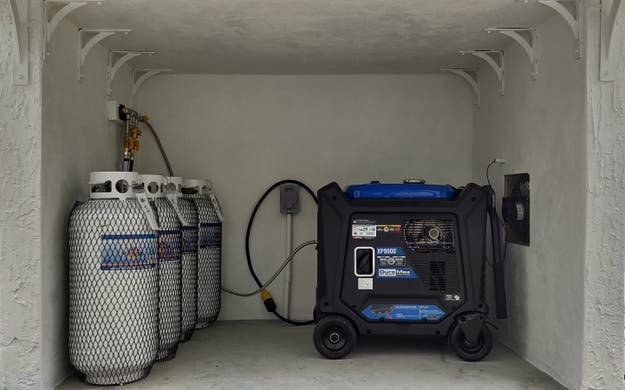
Are you ready to ensure your generator is always primed and ready to go? Storing propane properly is a crucial step in making sure your generator runs smoothly when you need it most.
Whether you’re preparing for a power outage, a camping trip, or simply want peace of mind, knowing how to store propane safely and efficiently can save you from future headaches. Imagine the relief of having a reliable power source at your fingertips, without the worry of running out of fuel or dealing with a malfunction.
In this guide, you’ll discover straightforward tips and essential practices to store propane for your generator with ease and confidence. Keep reading to unlock the secrets of safe and effective propane storage, and ensure your generator is always ready to power up your world.
Credit: www.premium-electric.ca
Choosing The Right Propane Tank
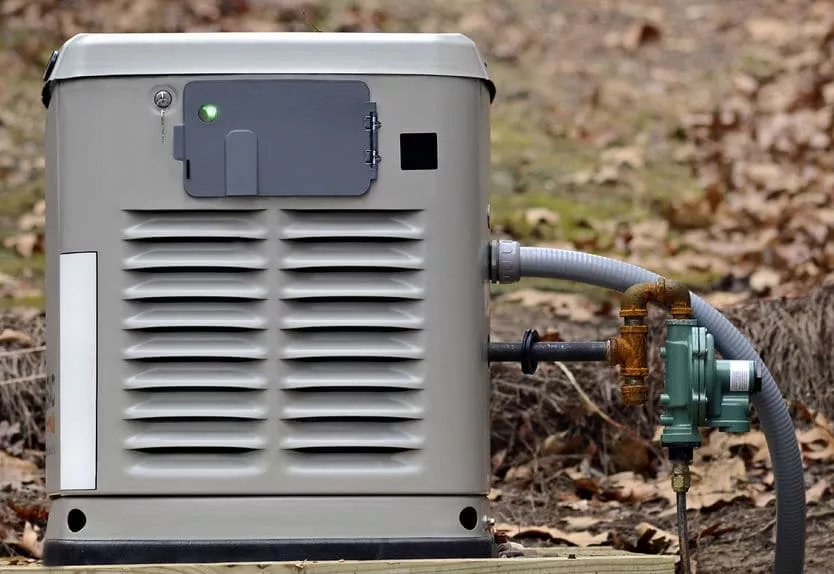
Propane tanks come in different sizes and types. Small tanks hold about 20 pounds of propane. Large tanks can store hundreds of gallons. Choose a size that fits your generator’s needsand space availability.
Material and durabilitymatter for safety. Most tanks are made from steel or aluminum. Steel tanks are strong and heavy. Aluminum tanks resist rust and are lighter. Pick one that suits your climate and use.
| Certification and Safety Standards | Details |
|---|---|
| DOT Certified | Meets US Department of Transportation rules for safe transport |
| ASME Certified | Built for stationary use, tested for pressure and strength |
| UL Listed | Underwriters Laboratories tested for safety compliance |
Always check for certification labelson the tank. This ensures it meets legal and safety standards. Safe tanks lower the risk of leaks and accidents.
Credit: www.duromaxpower.com
Proper Storage Location
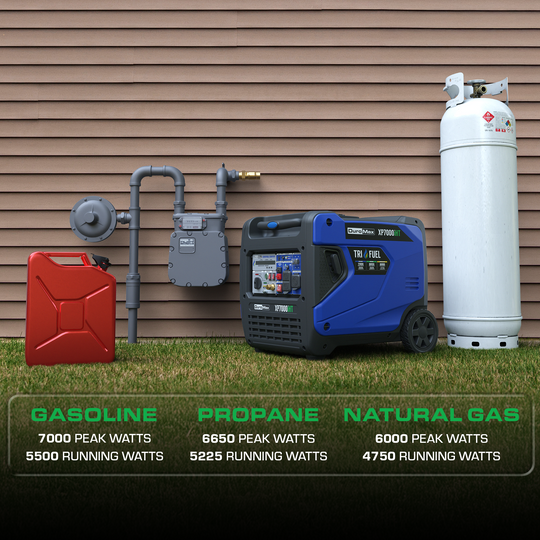
Proper ventilationis essential for propane storage. Store tanks outdoors in a well-ventilated area to prevent gas buildup. Avoid enclosed spaces like basements or garages. Fresh air helps disperse propane leaks and reduces fire risks.
Keep propane tanks at a safe distance from buildings. Place them at least 10 feet away from walls, doors, and windows. This distance helps prevent gas from entering living areas if a leak occurs.
- Do not store near heat sources or open flames.
- Avoid direct sunlight to keep tanks cool.
- Keep away from electrical equipment or sparks.
Store tanks upright on a flat, stable surface. This position ensures safety and proper valve function. Always check local rules for additional storage requirements.
Handling And Transporting Propane
Wear protective gearlike gloves and safety glasses. This stops injuries during handling. Always carry propane tanks upright. Keep tanks away from heat or sparks. Secure tanks firmly in vehicles to avoid tipping or rolling.
Check valves and connections for leaks before moving. Use soapy water to spot bubbles indicating leaks. Close tank valves tightly to prevent gas escape. Never smoke or use flames near propane tanks during transport.
- Keep tanks upright and secured
- Wear gloves and safety glasses
- Check for leaks using soapy water
- Close valves tightly
- Avoid heat, sparks, or flames
Routine Maintenance And Inspection
Check for leaksaround propane tanks and connections regularly. Use soapy water on valves and hoses; bubbles show leaks. Never use a flame to check leaks.
Inspect valves and hosesfor cracks, rust, or damage. Replace any parts that look old or worn out. Tighten loose connections to avoid gas escape.
- Keep valves clean and free from dirt.
- Check hoses for brittleness or soft spots.
- Make sure valves turn smoothly.
Clean the generator and propane areato prevent dust buildup. Wipe surfaces gently with a dry cloth. Avoid water near propane parts to stop rust.
Emergency Preparedness
Recognizing propane leaksis vital for safety. Propane has a strong smell like rotten eggs. Watch for hissing sounds near tanks or hoses. Look for frost or bubbles on connections. If you sense a leak, do not use open flames or switches.
Emergency shut-off procedureshelp stop leaks fast. Turn off the propane tank valve by twisting it clockwise. Close the valve on the generator too. Move away from the area and call emergency services. Never try to fix leaks alone.
First aid measuresprotect you and others. If propane is inhaled, go outside for fresh air. If someone feels dizzy or has trouble breathing, call for medical help. For skin contact with liquid propane, warm the area slowly and avoid rubbing.

Credit: www.amazon.com
Legal And Environmental Considerations
Storing propane for a generator requires following safety laws to avoid accidents. Proper ventilation and keeping tanks away from heat sources protect the environment and people. Always check local rules before storing propane.
Local Storage Regulations
Many areas have strict rules for storing propane tanks. These laws help keep people safe. Tanks must be stored in well-ventilated places away from buildings. Some places limit the number of tanks you can keep. Always check with local fire departments or government websites. Following the rules avoids fines and accidents.
Environmental Impact
Propane is cleaner than gasoline but still affects the environment. Leaks can harm air quality and plants. Storing tanks properly stops leaks and spills. Avoid placing tanks near water sources to protect wildlife. Use tanks responsibly and keep them in good shape to reduce risks.
Disposal Of Old Tanks
Old or damaged tanks must not be thrown in the trash. Many places have special disposal or recycling programs. Contact local waste centers for safe tank disposal. Proper disposal prevents pollution and accidents. Never try to fill or use a tank with rust or damage.
Frequently Asked Questions
How Should Propane Be Stored For A Generator?
Store propane tanks upright in a well-ventilated, cool area. Keep them away from heat sources and direct sunlight to prevent pressure buildup. Always secure tanks to avoid tipping and check for leaks regularly for safety.
What Safety Precautions Are Needed When Storing Propane?
Keep propane tanks outdoors or in ventilated sheds. Avoid storing near flames, sparks, or electrical equipment. Use proper containers and never store propane inside homes or garages to prevent fire hazards.
Can Propane Be Stored Inside The House?
No, propane should never be stored indoors. It is highly flammable and poses explosion risks. Always store propane tanks outside in safe, ventilated areas to ensure household safety.
How Long Can Propane Be Stored Safely?
Propane can be stored indefinitely if tanks are maintained properly. Ensure tanks are rust-free, valves are sealed, and stored away from extreme temperatures to preserve quality and safety.
Conclusion
Storing propane safely keeps your generator ready to use. Always place tanks outside, away from heat and flames. Check tanks for leaks and damage regularly. Use proper containers designed for propane storage. Keep valves closed tightly when not in use.
Store propane in a cool, dry place with good ventilation. Following these steps helps protect your home and family. Safe propane storage ensures your generator works when needed most. Stay careful and stay prepared.