
Are you worried about how to properly store fuel for your silent gas generator? You’re not alone.
Many people overlook this crucial step, risking not just their equipment but also safety. Imagine needing your generator during a power outage, only to find out the fuel has gone bad. Frustrating, right? This guide will walk you through easy, effective ways to store your fuel, so it’s always ready when you need it.
You’ll learn not just the how, but also the why—ensuring peace of mind and a reliable power source. Ready to become a storage pro and extend the life of your generator? Let’s dive in!
Credit: bepowerequipment.com
Choosing The Right Fuel
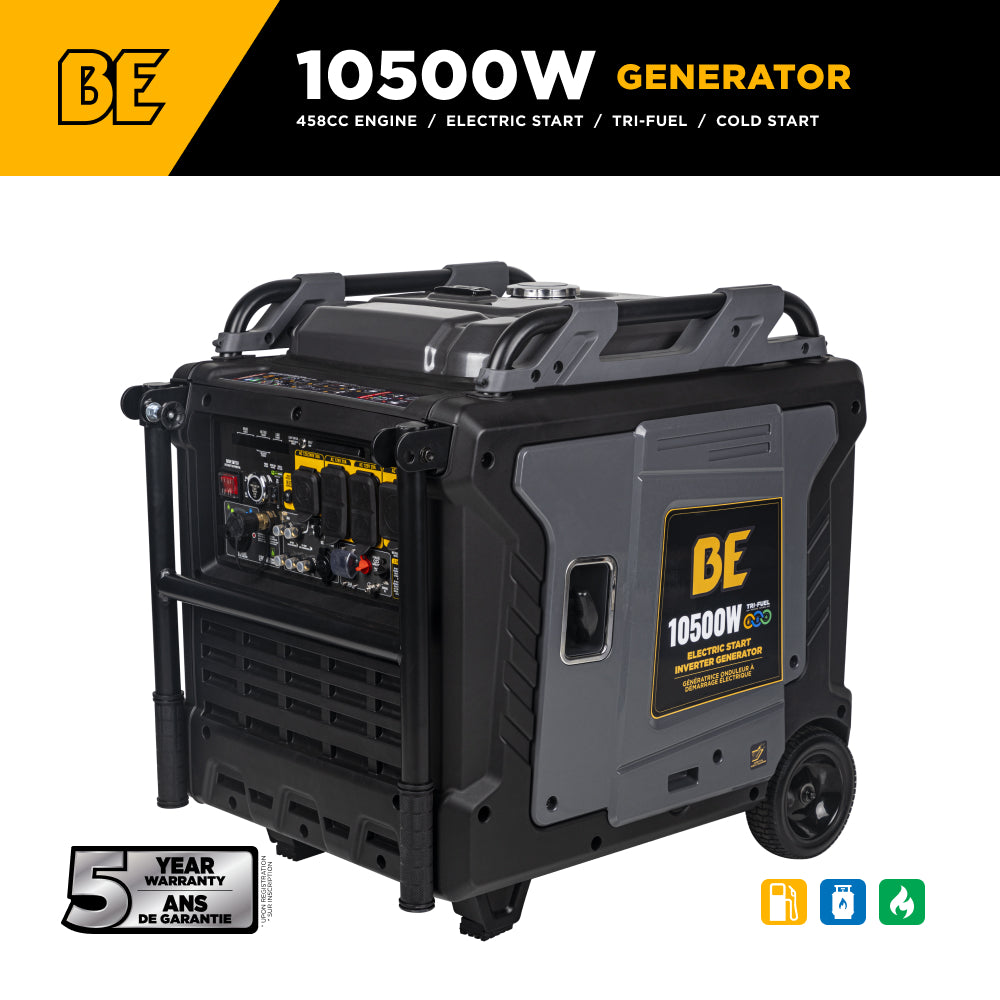
Silent generators often use gasolineor propaneas fuel. Gasoline is common but can go bad quickly. Propane lasts longer and burns cleaner. Diesel is another option but not common for silent types.
Fuel quality matters a lot. Use fresh gasoline and avoid old or contaminated fuel. Store fuel in clean, sealed containersto keep it safe. Keep fuel away from heat or sunlight to stop it from breaking down.
| Fuel Type | Storage Life | Notes |
|---|---|---|
| Gasoline | 3 to 6 months | Use fuel stabilizer to extend life |
| Propane | Indefinite | Store in proper cylinders |
| Diesel | 6 to 12 months | Keep away from water contamination |
Credit: bepowerequipment.com
Safe Storage Containers
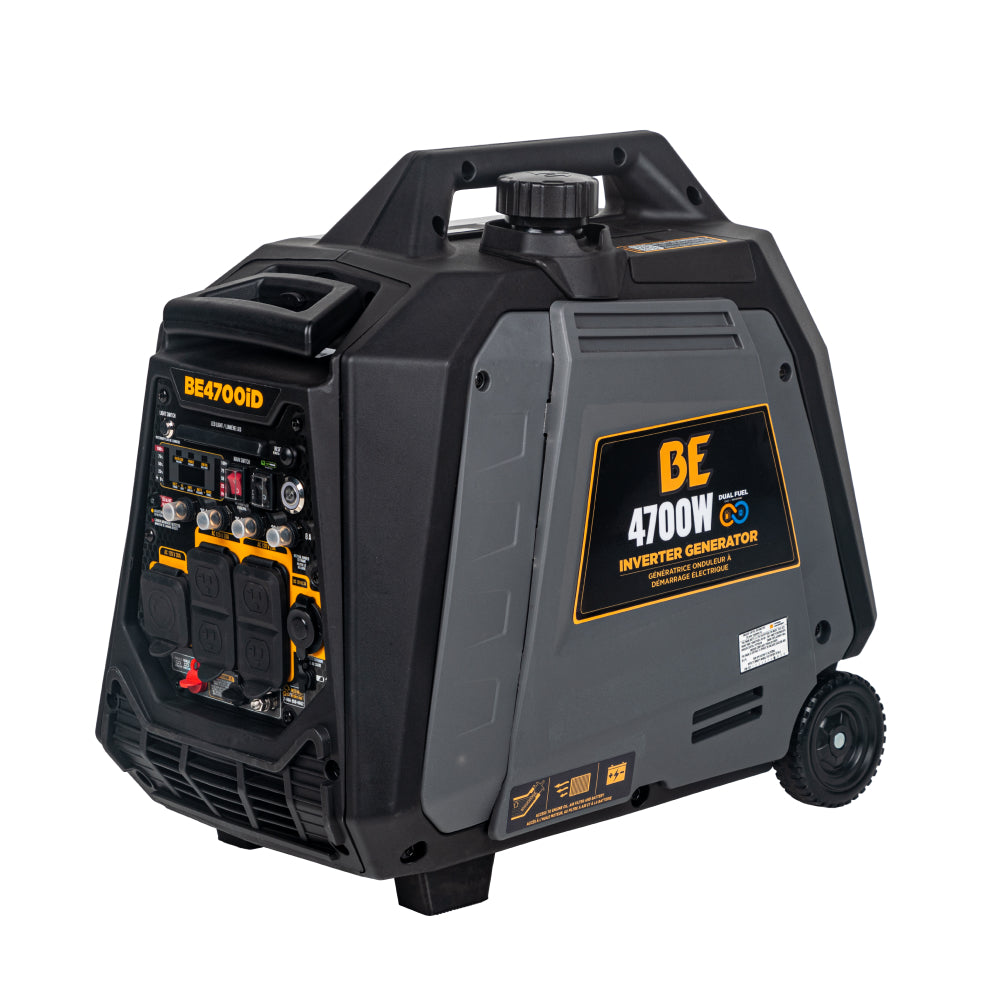
Approved fuel containersare essential for storing silent gas generator fuel safely. Use containers made from durable materialslike metal or heavy-duty plastic. These containers must be designed for fuel storageto prevent leaks and spills. Avoid using old or damaged containers, as they can cause accidents.
Proper sealingis crucial. Make sure lids or caps are tight and secureto stop fuel from evaporating or spilling. Store containers in a cool, dry place, away from direct sunlight and heat.
Labelingcontainers clearly helps avoid confusion. Mark each container with the type of fueland the date it was stored. This practice ensures safe handling and timely use.
Storage Location Guidelines
Store fuelin a well-ventilated area to avoid harmful fumes buildup. Keep the temperature steady, avoiding places with extreme heat or cold. Fuel containers should be sealed tightly to prevent spills and evaporation.
Place fuel storage away from living areasto reduce health risks. Maintain a safe distance from any ignition sources, such as heaters, open flames, or electrical equipment. This helps prevent accidental fires.
- Choose a dry, cool, and ventilated space
- Keep fuel containers off the ground
- Avoid direct sunlight exposure
- Store fuel at least 20 feet away from buildings
- Keep away from sparks, flames, or hot surfaces
Handling And Refueling Tips
Prevent spills and leaksby using a funnel when pouring fuel. Always keep the fuel container on a flat surface. Avoid overfilling the generator’s tank to prevent leaks. Store fuel in approved containers with tight lids. Keep fuel away from heat and open flames for safety.
For refueling safely, turn off the generator and let it cool before adding fuel. Refuel in a well-ventilated area to avoid breathing harmful fumes. Wipe up any spills immediately with a cloth. Never smoke or use a phone near fuel during refueling. Store fuel containers in a cool, dry place, away from children and pets.
Maintaining Fuel Freshness
Fuel stabilizershelp keep gasoline fresh for longer. They stop fuel from breaking down and forming gum. Adding stabilizers to your generator’s fuel tank can prevent clogging and damage. Always follow the instructions on the stabilizer bottle for the right amount.
Regular fuel rotationmeans using old fuel first and replacing it with fresh fuel. This keeps the fuel from sitting too long and going bad. Label fuel containers with the date to track freshness easily. Rotate fuel every 3 to 6 months to maintain quality.
Emergency Precautions
Store fuelin a cool, dry place away from heat sources. Keep containers tightly closedto avoid spills. Use only approved fuel containers that are clearly labeled.
Keep fuel storage away from living areasand open flames. Always have a fire extinguishernearby, rated for fuel fires. Avoid smoking near stored fuel.
| Fuel Exposure | First Aid Steps |
|---|---|
| Skin Contact | Wash with soap and water immediately. Remove contaminated clothing. |
| Eye Contact | Rinse eyes with clean water for 15 minutes. Seek medical help. |
| Inhalation | Move to fresh air quickly. Rest and get medical care if needed. |
| Ingestion | Do not induce vomiting. Call poison control or get emergency help. |
Credit: www.nytimes.com
Frequently Asked Questions
How Long Can I Store Fuel For A Silent Gas Generator?
Fuel can be stored safely for up to six months in proper containers. Use airtight, approved fuel cans and keep them in a cool, dry place away from direct sunlight.
What Is The Best Container For Storing Generator Fuel?
Use approved, airtight metal or high-density plastic containers designed for fuel storage. These prevent leaks and contamination, ensuring fuel stays fresh and safe for use.
Where Should I Store Fuel For A Silent Gas Generator?
Store fuel in a well-ventilated, cool, and dry area away from heat sources. Keep it away from living spaces and out of direct sunlight to prevent degradation.
How Can I Keep Generator Fuel Fresh Longer?
Add fuel stabilizers to prevent oxidation and degradation. Store fuel in sealed containers and avoid exposure to air, heat, and sunlight for maximum freshness.
Conclusion
Storing silent gas generator fuel safely keeps your generator ready to use. Always choose a cool, dry place away from sunlight. Use proper containers designed for fuel storage. Keep fuel sealed tightly to avoid spills and contamination. Label containers with the date to track fuel age.
Check fuel regularly and replace old fuel as needed. Following these simple steps helps your generator run smoothly and lasts longer. Safe fuel storage protects your home and environment. Keep it simple, stay safe, and enjoy peace of mind.