
Have you ever wondered what happens to your solar power bank during those chilly winter months? As temperatures drop and sunlight becomes scarce, storing your solar power bank correctly is crucial to maintaining its efficiency and longevity.
You might be tempted to toss it in a drawer and forget about it until spring, but doing so could lead to a dead battery or diminished performance. In this guide, you’ll discover simple, effective strategies to ensure your solar power bank remains in top condition throughout winter.
Don’t let the cold weather drain your power bank’s potential—keep reading to unlock practical tips that will keep your device charged and ready to go all year round.
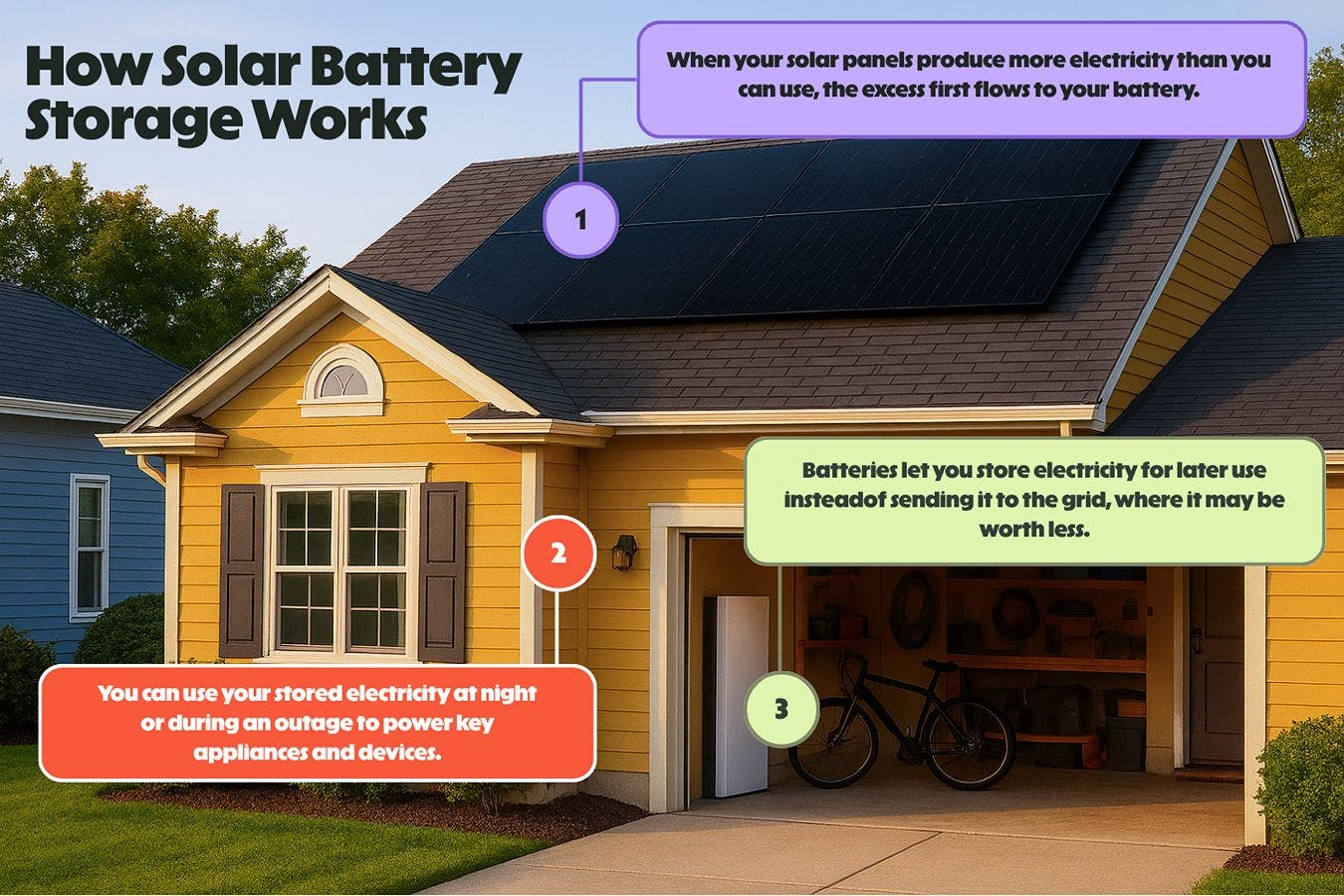
Credit: palmetto.com
Choosing The Right Storage Location
Selecting a dry, cool indoor space prevents damage to solar power banks during winter. Avoid direct sunlight and extreme temperatures. Proper storage extends battery life, ensuring efficiency when needed.
Indoor Vs. Outdoor Storage
Solar power banks need a safe place to store. Indoor storage offers protection from rain and snow. It keeps the power banks dry and clean. Outdoor storage might expose them to weather changes. Too much cold or heat can harm the battery. Indoor spots are best for winter storage.
Avoiding Extreme Temperatures
Extreme temperatures can damage solar power banks. Cold temperatures slow down battery performance. Hot temperatures can cause battery swelling. Pick a place with mild temperature. Avoid places that get too cold or hot. Basements or closets are good options. They keep the power banks safe and ready for use.
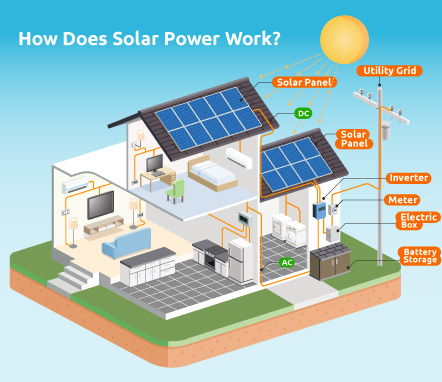
Credit: www.batteriesplus.com
Preparing Solar Power Banks For Storage
Store solar power banks in a cool, dry place during winter. Keep them away from direct sunlight and moisture. Charge them to about 50% before storing to maintain battery health.
Cleaning And Maintenance
Before storing, clean the solar power bank. Use a soft, dry cloth. Remove any dust and dirt from the surface. Inspect for any damage or cracks. Ensure there is no moisture or wetness. A clean device works better and lasts longer. Store in a dry, cool place.Ensuring Full Charge
Charge the solar power bank fully. It should have 100% charge. This helps it stay ready for use later. Check the battery level before storing. Avoid storing with low battery. A full charge keeps it healthy. Keep it away from direct sunlight when storing. `Protecting From Moisture
Storing solar power banks in winter requires protection from moisture. Keep them in a dry, cool place. Seal in airtight bags to prevent dampness. This ensures longevity and efficiency.
Using Desiccants
Moisture can damage solar power banks. Desiccants help in keeping them dry. These are tiny packets found in shoe boxes. Place them with your power bank. They absorb water from the air. This keeps your device safe.
Sealing In Protective Cases
Protective cases keep power banks safe from water. Choose a case that fits snugly. It should close well without gaps. This keeps moisture out. Cases made of plastic or rubber work best. They provide a strong barrier against water. Always check the case for any damage. A small crack can let moisture in.
Monitoring Battery Health
Storing solar power banks properly during winter is crucial for maintaining battery health. Keep them in a cool, dry place away from direct sunlight. Ensure they are charged to about 50% to prevent battery damage and prolong their lifespan.
Checking For Damage
Inspect the solar power bank for any cracks or scratches. Look for swelling or bulging on the battery surface. These signs show damage. Remove dust and dirt carefully from the surface. Clean with a soft, dry cloth. Avoid using water or chemicals. Store the power bank in a dry, cool place. This helps prevent further damage.
Regularly Testing Charge
Test the power bank’s charge every month. This helps keep the battery healthy. Connect it to a device and see how long it lasts. If the charge drops quickly, the battery might be weak. Charge the power bank fully before storing again. Avoid letting the battery go completely empty. Keep a small charge to maintain battery health.
Best Practices For Long-term Storage
Solar power banks should not be fully charged for storage. Keep them charged to about 50%. This helps maintain the battery health. A fully charged battery may lose capacity over time. A completely empty battery can damage its lifespan. Check the charge level every few months. Recharge if needed to keep it at half. This strategy helps in prolonging the battery life.
Regular checks help ensure the power bank stays healthy. Inspect for any damage or leaks. Check the connectors for any signs of wear. Test the charging port to ensure it works. Clean the device with a soft cloth. Keep the power bank dry and away from extreme temperatures. These checks keep the device ready for use.
Reactivating Solar Power Banks
Proper storage of solar power banks in winter is crucial for longevity. Keep them in a cool, dry place to prevent damage. Fully charge them before storage to maintain battery health.
Gradual Recharging Process
Place the solar power bank in sunlight for a short time. Let it absorb light for a few hours. This process helps wake up the battery. After the first charge, increase sunlight exposure. Keep doing this until it charges fully. Be patient; it takes time to reactivate.
Testing Functionality
Check if the power bank holds charge. Plug in a device to test charging. See if it works without problems. If it doesn’t, repeat the charging steps. Sometimes batteries need extra attention. Make sure to test carefully. This ensures your power bank is ready for use.

Credit: www.jackery.com
Frequently Asked Questions
Where To Store A Solar Battery Bank?
Store a solar battery bank indoors in a cool, dry place with good ventilation. Avoid direct sunlight and extreme temperatures. Ensure easy access for maintenance and check for any signs of damage or leaks regularly. Keep it away from flammable materials for safety.
How Do I Keep My Solar Batteries From Freezing?
Store solar batteries in insulated enclosures to maintain temperature. Use heaters or thermal blankets for extra warmth. Regularly check battery condition and charge level. Ensure proper ventilation to prevent moisture buildup. Follow manufacturer’s guidelines for optimal performance.
How Do You Store Solar Energy For Winter?
Store solar energy for winter using batteries, thermal storage, or pumped hydro systems. Batteries store electricity efficiently. Thermal storage uses materials like water or molten salt to retain heat. Pumped hydro stores energy by moving water to elevated reservoirs, releasing it when needed.
These methods ensure energy availability during colder months.
How To Store Solar Power Without Batteries?
Store solar power using thermal energy storage systems. Convert solar energy into heat, storing it in materials like molten salt. Use pumped hydroelectric storage by moving water between reservoirs at different elevations. Consider compressed air energy storage, which stores energy in high-pressure air tanks underground.
Conclusion
Storing solar power banks during winter is simple with the right steps. Keep them in a cool, dry place. Avoid direct sunlight and moisture. Ensure the battery is charged before storage. Regular checks maintain battery health. Use protective covers to prevent dust and dirt.
These actions extend the life of your solar power bank. Proper storage ensures readiness for spring use. This way, you save time and money. Enjoy reliable power when you need it most. Follow these tips for peace of mind during winter months.