Imagine you’re in the middle of an important task when suddenly, the power goes out. Panic sets in as you scramble to figure out how to switch from standby to main power.
You need a solution that’s quick, effective, and easy to understand. Luckily, mastering this process is simpler than you might think. By learning how to seamlessly transition between standby and main power, you can ensure that your day-to-day activities run smoothly, regardless of unexpected power disruptions.
You’ll discover practical steps and tips that will empower you to confidently handle power switches with ease, giving you peace of mind and control over your electrical systems. Let’s dive into the world of power management and make sure you’re always prepared for the unexpected!

Credit: www.facebook.com
Understanding Power Sources
Switching between standby and main power ensures continuous electricity supply. Understand the power source setup first. Then, identify the switch mechanism to alternate efficiently.
Standby Power Definition
Standby power is backup power. It turns on during a power cut. This power keeps important devices running. Standby power comes from generators or batteries. It is like a safety net. Without it, devices might stop working. Standby power is not always on. It waits for a power outage. This power helps homes and offices. It prevents interruptions. Standby power is very important. It acts as a shield for your devices.
Main Power Explained
Main power is the regular electricity source. It comes from the grid. This power runs everyday devices. Lights, TVs, and fridges use main power. It is always available unless there is a fault. Main power is reliable and steady. It keeps the world running smoothly. Without it, life would be hard. Main power is like a river of energy. It flows into homes and cities. This power source is essential for daily life.
Reasons For Switching Power Sources
Switching power sources can save money. Main power is often cheaper. Standby power can be expensive. Using main power reduces electricity bills. Efficient power use helps the environment. It also extends the life of devices. Smart choices keep costs low. A good system prevents waste.
Safety is very important. Switching power sources can prevent overloads. Overloads can cause fires or damage. A safe system protects your home. It also protects your family. Always follow safety rules. Use the right tools for switching. Check connections regularly. This ensures everything works well. A safe setup avoids problems.
Equipment Required
A transfer switchhelps switch power sources safely. It connects the standby power to the main power. It prevents back-feeding electricity to the grid. This switch ensures smooth transitionbetween power sources. It protects appliances and circuits from damage.
Circuit breakersare essential in managing power flow. They prevent overloads and short circuits. These devices disconnect power during faults. They ensure the safety of your electrical system. Properly rated circuit breakers are crucial for safety.
Backup generatorsprovide power during outages. They supply electricity when the main power fails. Generators come in different sizes and capacities. They ensure essential devices stay powered. It’s important to maintain and fuel them regularly.
Step-by-step Switching Process
Switching between standby and main power involves a simple process. First, identify the power source switch. Then, turn off the current power source. Finally, activate the desired power source for seamless transition.
Preparation And Safety
Before switching, always wear protective gloves and safety goggles. Ensure all devices are turned off. Check for any visible damage on the power cords. Verify the standby power source is ready and fully charged. Keep a flashlight handy in case of darkness. Inform others in the area of your actions. Ensure children and pets are away from the power sources. Double-check that your hands are dry before handling any switches.Switching Procedure
Locate the main power switch and turn it off. Next, find the standby power switch and turn it on. Wait for a few seconds to see if power flows smoothly. If not, recheck connections and try again. Ensure the main power is fully disconnected before leaving the area. Listen for any unusual sounds from your devices. If you hear anything unusual, stop immediately.Verification Of Power Source
Check if the lights and devices are working. Ensure there are no flickering lights or strange noises. Use a voltmeter to test the power source. This confirms the correct voltage is supplied. If everything is fine, note the time and date of switching. This helps in future reference. Always keep a backup plan in case of any issues. `Common Challenges And Solutions
Switching between standby and main power can be tricky. Ensure a smooth transition by checking connections and using reliable switches. Regular maintenance helps prevent power disruptions, keeping your systems efficient and safe.
Troubleshooting Power Failures
Power failurescan be tricky. Check if the main power sourceis working. Ensure all connections are secure. Inspect for any damaged wires. Use a multimeterto test voltage. If there is no power, reset the circuit breaker. Make sure no appliances are causing overloads. If all fails, contact a technician.
Dealing With Overloads
Overloads happen when too many devices use power. Unplug extra devices to reduce load. Use a power strip with a surge protector. Check if the appliances are functioning properly. If an appliance is faulty, repair or replaceit. Keep an eye on the circuit breaker. If it trips, reset it carefully. Ensure your system can handle the total power demand.

Credit: truebeacon.ca
Maintenance And Regular Checks
Switching between standby and main power ensures uninterrupted energy supply. Regular maintenance checks prevent unexpected power failures. Always verify connections and test circuits to maintain optimal functionality.
Routine Inspection
Inspecting power systems is essential for safety. Look for any loose wires or connections. Check for signs of wear and tear. Replace damaged parts promptly. Ensure switches are working properly. Test the standby power regularly. Make sure batteries are charged. Keep an eye on circuit boards for any damage. Regular inspection prevents unexpected failures.
Professional Servicing
Experts can help maintain power systems. They have special tools and knowledge. Professional checks ensure everything is in top condition. They can spot problems early. They know how to fix complicated issues. Schedule regular visits from professionals. This helps avoid costly repairs. Trust professionals to keep your power systems safe and reliable.
Technological Advancements
Smart transfer switches help switch power sources quickly. They detect power loss automatically. Then, they switch to standby power. They work without human help. This makes power switching fast and safe. Homes and businesses use them widely. They are important in emergencies. They prevent power interruptions easily. They save time and reduce stress.
Automated systems make power switching simple. These systems work without manual control. They check power sources all the time. When main power fails, they switch to backup power. They protect important devices from shutdowns. Many places use automated systems for safety. They keep the power on day and night. They are trusted by many people.

Credit: www.amazon.com
Frequently Asked Questions
Do You Turn On Power Or Standby First?
Turn on standby mode first to ensure safe and optimal device operation. Then, switch on the power.
Should I Put My Amp On Standby Before Turning It Off?
Yes, it’s advisable to put your amp on standby before turning it off. This practice helps protect internal components, ensuring longevity and reducing wear. Standby mode allows the amp to cool down gradually, preventing sudden power cuts that might cause damage.
Always follow your amp’s manual recommendations for optimal care.
How To Use A Standby Switch On An Amp?
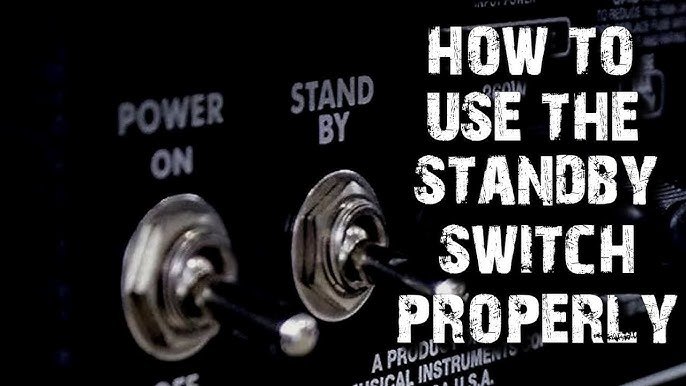
To use a standby switch, first power on the amp, then flip the standby switch to “on”. Allow the tubes to warm up before playing. This prevents tube damage and ensures optimal sound quality. Always switch to standby before turning off the amp to protect its components.
Do You Turn On The Amp Or Preamp First?
Always turn on the preamp first, then the amp. This prevents potential speaker damage from power surges.
Conclusion
Switching between standby and main power is crucial for efficiency. It ensures your devices run smoothly and saves energy. Always follow safety guidelines during the process. Double-check all connections for secure setup. Familiarize yourself with the manual for specific instructions.
Practice makes it easier over time. Remember, patience is key. With these tips, managing power becomes simple and stress-free. Stay confident and handle your devices wisely. Your efforts contribute to better device performance and energy conservation. Keep learning and improving your skills.
Happy switching!