
Imagine a sudden power outage hitting your home or business. You want everything to keep running smoothly without any hassle.
That’s where your standby generator comes in. But do you know how to switch it over quickly and safely when the lights go out? If you’re unsure or want to be prepared, this guide is for you. Keep reading, and you’ll learn simple, step-by-step instructions to make sure your standby generator kicks in exactly when you need it most.
Don’t wait for the next blackout—take control now and protect your comfort and security.

Credit: www.searshomeservices.com
Preparing For The Switch
Check the fuel and oil levelsbefore switching the generator on. Low fuel or oil can cause damage. Fill them up if needed. Use the right type of fuel and oil for your generator model.
Inspect the generator for any visible damageor leaks. Look for loose wires or parts. Make sure the generator is clean and dry. This helps avoid problems during use.
- Turn off the main powerat your home or building.
- This prevents electric shock or damage to appliances.
- Use the correct switch or breaker to cut off the power.
Starting The Generator
Locate the control panelon your standby generator. It is usually near the generator or inside a protective box. This panel contains all the switches and buttons needed to operate the unit.
Set the generator to start modeby flipping the main switch or pressing the start button on the control panel. This action activates the engine and begins the power generation process.
Monitor the initial startupcarefully. Listen for any unusual sounds and check for warning lights or error messages. The generator should reach stable operation within a few minutes.
Switching Power Source
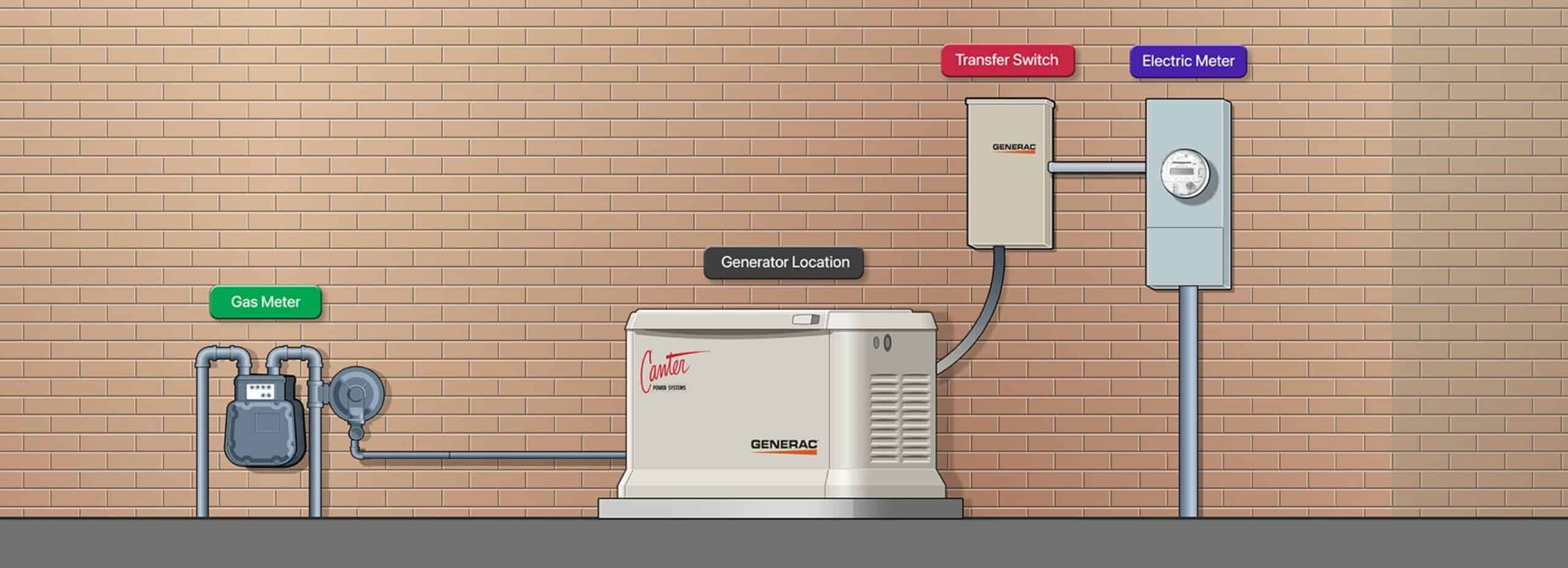
To switch power to a standby generator, first engage the transfer switch. This switch moves the power source from the main grid to the generator. It is important to do this safely to avoid damage.
Next, verify the power transfer. Check that the generator is supplying electricity correctly. Watch for any unusual sounds or lights on the generator.
Finally, check for electrical load balance. Make sure the power is spread evenly across your circuits. This prevents overload and keeps your home or business safe.
During Generator Operation
Monitor the generator’s performanceclosely during operation. It helps to catch any problems early. Listen carefully for unusual noises. Strange sounds could mean a mechanical issue or loose parts. These noises might include knocking, rattling, or grinding.
Keep an eye on fuel consumption. A sudden increase or decrease can signal a problem. Check fuel levels regularly to ensure the generator runs smoothly. Running low on fuel might cause the generator to stop unexpectedly.
- Check oil and coolant levels to avoid overheating.
- Watch for warning lights or error codes on the control panel.
- Ensure exhaust fumes are clear and not smoky.
Shutting Down And Resetting
To turn off the generator safely, allow it to cool down first. Switch off the fuel supply and then press the stop button. Avoid shutting it down abruptly to prevent damage.
Next, switch back to the main power. Flip the transfer switch from generator mode to utility power mode. Ensure the main power supply is stable before turning off the generator completely.
Perform post-operation checksto keep your generator ready for future use. Check fuel levels, oil condition, and look for any leaks or damages. Clean the generator and store it in a dry place.

Credit: www.reddit.com
Maintenance Tips
Test the standby generator at least once a month. This keeps it ready to run during power outages. Run the generator for about 20 minutes to check its performance. Listen for strange noises and watch for leaks.
Clean the generator parts regularly. Remove dirt, dust, and debris from the engine and battery terminals. Check the oil and air filters and replace them if dirty. Inspect wires and connections for damage or corrosion.
Store fuel in a cool, dry place. Use fuel stabilizers to keep it fresh longer. Avoid storing fuel for more than six months. Always keep the fuel tank full to reduce moisture buildup inside.
Credit: canterpowersystems.com
Frequently Asked Questions
How Do I Safely Switch Over A Standby Generator?
To switch over safely, first turn off the main power supply. Then start the generator and connect it to the transfer switch. Finally, restore power to your home by switching to the generator supply. Always follow manufacturer instructions for safety.
When Should I Switch To My Standby Generator?
Switch to your standby generator during power outages or emergencies. It ensures continuous power supply. Avoid running the generator unnecessarily to save fuel and reduce wear. Monitor local power conditions to decide the right time to switch.
Can I Switch Over A Standby Generator Manually?
Yes, many standby generators have a manual transfer switch option. This allows you to switch power sources during outages. However, automatic transfer switches provide more convenience and safety. Always follow safety guidelines during manual switching.
What Maintenance Is Needed Before Switching A Standby Generator?
Before switching, check fuel levels, oil, and coolant. Inspect batteries and ensure the generator is clean. Test the automatic transfer switch for proper function. Regular maintenance ensures the generator runs smoothly during power outages.
Conclusion
Switching over a standby generator ensures your home stays powered. It’s important to follow steps carefully for safety and efficiency. First, turn off the main power supply. Next, connect the generator safely. Then, start the generator and switch on the appliances.
Always check fuel levels regularly. Maintain your generator for long-lasting performance. Seek professional help if unsure. Regular practice makes the process easier. Ensuring power backup brings peace of mind during outages. Keep instructions handy for quick reference. Stay prepared and confident with your standby generator.