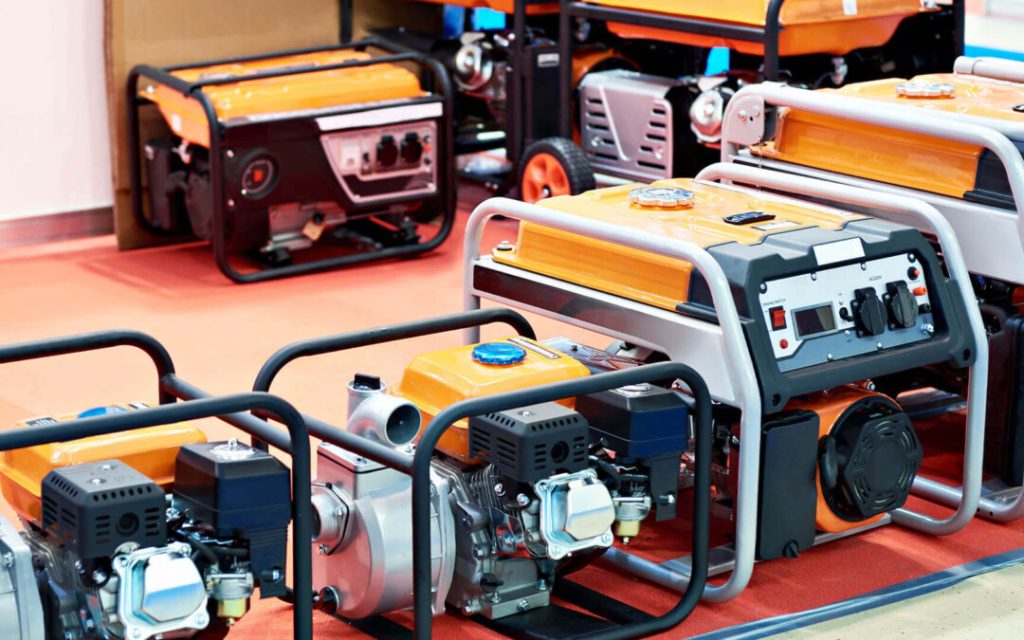
Imagine a stormy night where the lights flicker and suddenly, your home is plunged into darkness. At that moment, you rely on your standby generator to power your essentials.
But what if it fails to start? You can avoid this nightmare scenario by regularly testing your standby generator. You might be wondering how to ensure your generator is ready when you need it most. In this guide, you’ll discover simple yet effective steps to test your standby generator, ensuring it runs smoothly and reliably.
We’ll walk you through everything you need to know to keep your backup power source in top condition. So, whether you’re a seasoned DIY enthusiast or just someone looking to safeguard your home, read on to learn how to keep your lights on when it matters most.
Preparing For The Test
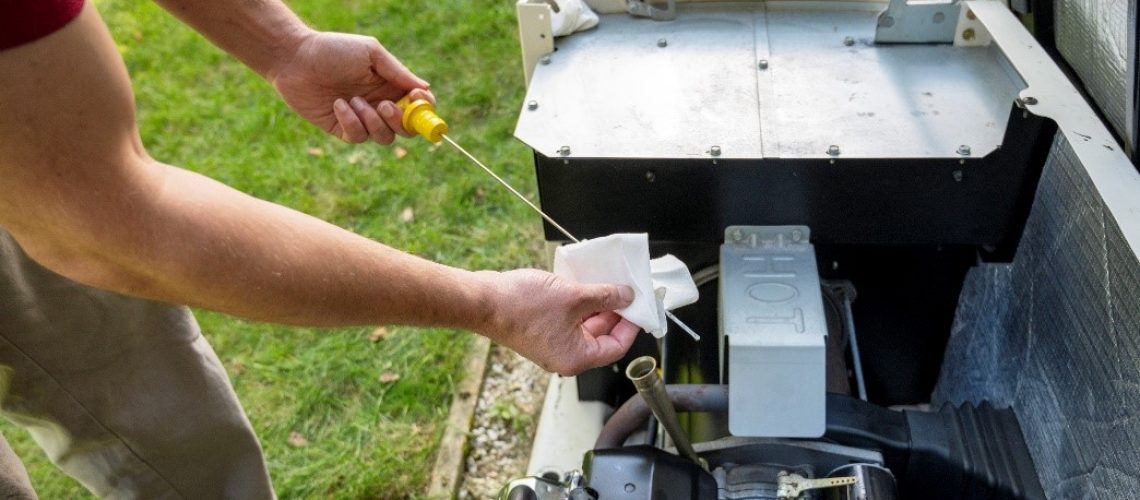
Preparing for the Test Ensure the generator is in good condition before testing. Check fuel levels and connections. Read the manual to understand safety measures.
Safety Precautions
Check the generator manual for safety tips. Wear gloves and safety goggles. Ensure the area is well-ventilated to avoid fumes. Keep a fire extinguisher nearby. Turn off any connected devices before testing. Ensure the generator is on a stable surface. Do not touch moving parts. Inspect for leaks or damage. Handle fuel with care. Never test in wet conditions.
Tools And Equipment Needed
- Gloves for protection
- Safety goggles
- Fire extinguisher
- Wrench set for adjustments
- Multimeter to check voltage
- Fuel and oil
- Flashlight for visibility
- Generator manual

Credit: www.linkedin.com
Initial Inspection
Look at the generator closely. Notice any broken or loose parts. Check the wires and connections. Make sure they are not frayed or cut. Examine the battery. It should not have cracks or leaks. Look for rust on metal parts. Rust can damage the generator. Make sure all covers are in place. Loose covers can be dangerous. Inspect the exhaust system. It should be clear of blockages. A blocked exhaust can be harmful. Ensure the area around the generator is clean. Remove any clutter or debris.
Check the fuel level in the tank. It should be full or almost full. Smell around the generator. There should be no strong fuel odors. Inspect the fuel lines for leaks or cracks. They should be secure and tight. Look at the fuel filter. It should be clean and not clogged. If it’s dirty, it may need replacing. Ensure the fuel cap is tight. A loose cap can cause leaks. Make sure the fuel is fresh. Old fuel can cause problems.
Battery And Electrical Checks
Check the battery for any signs of wear or damage. Look for cracks or leaks on the battery surface. Ensure the battery is clean and free of dirt. A dirty battery can affect performance. Use a damp cloth to wipe any grime. Test the battery voltage with a voltmeter. The reading should be within the recommended range. If not, the battery may need replacement.
Examine all electrical connections for tightness. Loose connections can cause problems. Check for any signs of corrosion. Corroded connections need cleaning. Use a wire brush to remove corrosion. Ensure all wires are properly insulated. Exposed wires can be dangerous. Look for any frayed or damaged wires. Replace any damaged wires immediately. Keep the generator safe and ready to use.
Load Bank Testing
Load bank testing helps ensure a standby generator is ready for emergencies. Connect the load bank to simulate real-life power demands. This checks the generator’s performance and reliability efficiently.
Purpose Of Load Testing
Load testing checks generator performance. It ensures the generator works well. This test helps identify issues early. Prevents future problems. Load testing simulates real-world conditions. Measures generator output under stress. It’s crucial for reliability.
Setting Up The Load Bank
Set up safely in a secure area. Connect generator to load bank. Follow instructions carefully. Ensure proper ventilation. Check all connections are tight. Use appropriate cables. Monitor temperature during testing. Safety is very important. Watch the system closely.
Simulating Power Outage
Turn off the main power switch. Watch the lights go out. This mimics a real power cut. The generator should start automatically. Listen to the sound. Make sure it’s working smoothly. Check the lights. They should turn back on. If not, inspect the connections.
Check the transfer switch. It moves power from the main to the generator. Flip the switch when the power cuts. Ensure the generator takes over. Keep an eye on the lights. They should glow again. This shows the generator is working.
- Listen for strange sounds.
- Check the fuel level.
- Ensure the battery is strong.
- Watch the temperature gauge.
- Look for error messages on the display.
Analyzing Test Results
Analyzing test results of a standby generator involves checking power output and efficiency. Ensure the generator starts automatically during a power outage. Verify the transfer switch is functioning and the unit runs smoothly without unusual noises or vibrations.
Identifying Issues
Check for unusual noises or vibrations. These can signal mechanical problems. Look for any leaks or spills. Fluid leaks might mean a problem with seals. Observe the generator’s start-up time. A slow start can indicate a battery issue.
Performance Metrics
- Voltageshould remain consistent during operation.
- Check the frequency; it must stay steady.
- Monitor temperature. Overheating might cause damage.
- Inspect the fuel consumption rate. It should be efficient.
Routine Maintenance Tips
Check the generator each month. Ensure all parts are clean. Listen for strange noises when running. Test for any power issues. Check battery charge. Keep fuel tank full and fresh. Review all cables and connections. Look for leaks or damage. Tighten loose screws and bolts. This keeps your generator ready.
Clean the generator often. Use a soft cloth and mild cleaner. Remove dirt and dust carefully. Store in a dry, cool place. Cover it to prevent dust buildup. Avoid damp areas to prevent rust. Keep away from flammable materials. Proper storage ensures long life.

Credit: m.youtube.com
Professional Help
Testing a standby generator requires careful steps for safety and efficiency. Check fuel levels and connections. Start the generator to ensure it operates smoothly and powers devices correctly. Regular testing helps maintain readiness for emergencies.
When To Call An Expert
A generator might make strange noises. That is a sign to call an expert. If your generator fails to start, it needs a professional. Smoke or sparks are serious issues. Experts handle these safely. Regular maintenance by an expert keeps your generator in good shape. Experts know how to fix complex problems. They ensure your generator works during a power cut.
Finding Reliable Services
Ask friends for recommendations. They might know reliable services. Check online reviews too. Look for high ratings and positive feedback. Choose services with certified technicians. Certification ensures they have the right skills. Compare prices before deciding. Reliable services offer fair prices. Contact a few services and ask questions. Their answers can show their expertise.
Credit: generatorsupercenterofsavannah.com
Frequently Asked Questions
How Do You Test A Standby Generator?
Test a standby generator by inspecting connections and fuel levels. Start it manually and check for smooth operation. Monitor voltage and frequency output, ensuring they meet specifications. Conduct load testing to ensure reliable performance under full load. Regular maintenance checks enhance its longevity and efficiency.
How To Manually Test Generac?
To manually test a Generac generator, first ensure it’s off and unplugged. Check fuel levels and oil. Turn on the unit and observe for any unusual sounds or vibrations. Test electrical output with a multimeter. Perform regular maintenance checks following the user manual to ensure optimal performance.
How To Manually Exercise Generac Generator?
To manually exercise a Generac generator, press the “Manual” button on the control panel. Ensure the generator is in “Off” mode before starting. Run it for about 20-30 minutes to ensure functionality. Regularly check oil, coolant, and fuel levels to maintain efficiency.
Consult the user manual for specific instructions.
How Do I Test If My Generator Is Working?
Start the generator and check for proper voltage output using a multimeter. Listen for unusual noises. Ensure all connected devices receive power. Inspect fuel levels and connections. Conduct regular maintenance checks for optimal performance.
Conclusion
Testing your standby generator ensures reliability during power outages. Regular checks prevent unexpected failures. Keep the manual handy for reference. Test the generator monthly for optimal performance. Always inspect fuel levels and battery connections. Listen for unusual noises. Address issues immediately to avoid complications.
A well-maintained generator provides peace of mind. Ensure all safety measures are in place. Regular testing extends the generator’s life. Stay prepared for emergencies with a reliable standby generator. Simple checks can save you from future headaches. Keep your home powered and your family safe.