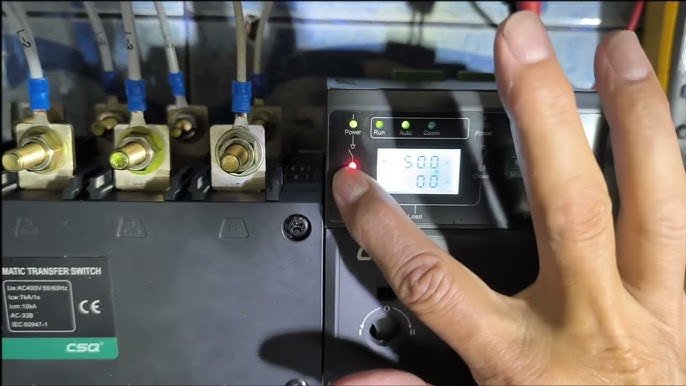
Are you confident that your generator’s Automatic Transfer Switch (ATS) will kick in when you need it most? Imagine a stormy night, the power suddenly goes out, and you’re left in the dark, unsure if your backup power system will save the day.
Testing your generator’s ATS functionality isn’t just a maintenance task; it’s your peace of mind. In this guide, you’ll discover simple yet effective steps to ensure your generator is ready to perform flawlessly when it matters. Don’t leave it to chance—learn how to test your ATS functionality and keep your home or business powered, no matter what.
Dive in to safeguard your power security today!
Basics Of Generator Ats
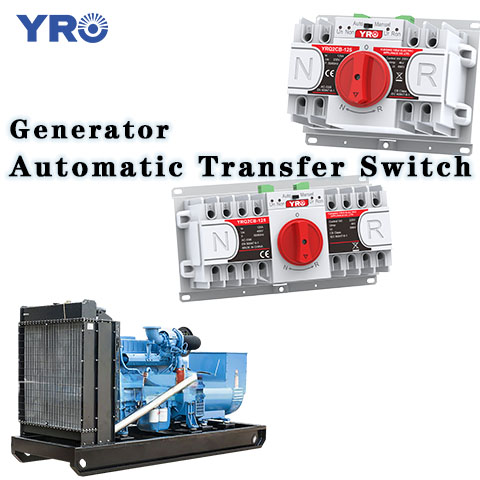
Generator ATSstands for Automatic Transfer Switch. It shifts power from the main source to the generator during outages. This switch helps keep your home or business powered without manual work.
Key componentsof an ATS include:
- Power source inputs (main and generator)
- Control logic to detect power loss
- Switch mechanism to change power flow
- Safety features to prevent back-feed
How ATS works: The ATS monitors the main power. When it senses a failure, it signals the generator to start. After the generator runs smoothly, the ATS moves the load to the generator. Once main power returns, the ATS switches back and stops the generator.
Credit: www.yroenergy.com
Preparation Before Testing
Safetyis the first priority before testing the ATS. Ensure the power is off to avoid shocks. Use insulated glovesand tools. Keep a fire extinguisher nearby in case of emergencies. Never test alone; have someone nearby for help.
Gather required toolslike a multimeter, screwdriver, and voltage tester. Check the tools are in good condition. Using the right tools makes testing easier and safer.
| System Inspection | What to Check |
|---|---|
| Visual Check | Look for damage or loose wires |
| Connections | Ensure all cables are tight and secure |
| Battery | Check battery charge and terminals |
| Control Panel | Inspect for error lights or warnings |
Step-by-step Testing Process
Start by making sure the generator and ATSare properly connected. Check all cables and power sources. Turn off the main power supply to simulate a power failure.
Watch the ATS closely. It should detect the loss of power and send a signal to start the generator. Confirm the generator starts runningwithin a few seconds.
Check the transfer switchto see if it moves power load from the main supply to the generator. This switch is key to keeping electricity flowing.
After power is restored, the ATS should switch back to the main power source. The generator should turn off automatically. Make sure the system returns to normal operation without issues.
Troubleshooting Common Issues
Generator fails to startoften due to low fuel or dead battery. Check fuel levels and battery charge first. Inspect starter connections for corrosion or loose wires. A faulty starter motor can also cause this issue. Try resetting the ATS control panel. If the problem stays, call a technician.
ATS does not transfer loadwhen wiring is incorrect or control settings are wrong. Verify the ATS is set to auto mode. Inspect the wiring between the ATS and generator for damage. Test the control board for faults. Sometimes, the transfer switch contacts get stuck or worn out, needing cleaning or replacement.
Delayed switchinghappens if the ATS timer is set too long. Adjust the timer to a shorter delay. Check for slow engine start or weak battery causing delay. Make sure sensors detect power loss quickly. Clean any dust or debris from switch contacts to improve response time.
Unexpected shutdownscan be caused by low oil, overheating, or a bad sensor. Check oil levels and coolant temperature. Inspect engine sensors for damage or loose connections. Look for error codes on the ATS panel. Tighten all connections and test the generator under load.
Maintenance Tips For Ats
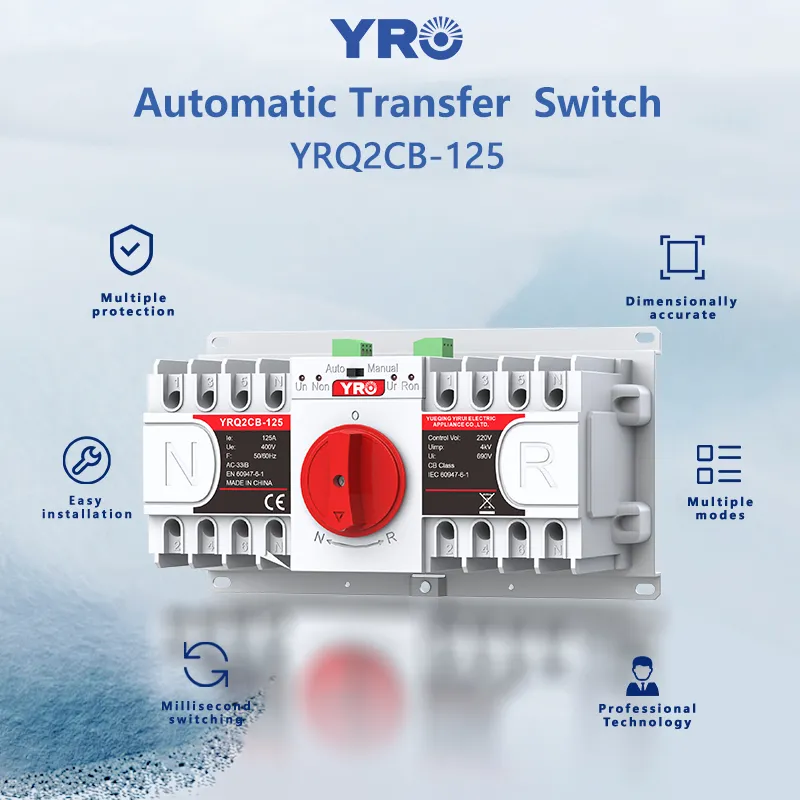
Regular inspections help keep the Automatic Transfer Switch (ATS)working well. Check for loose connectionsand signs of wearoften. This prevents unexpected failures.
Cleaning the ATS ensures it stays free from dustand debris. Use a soft brush or cloth for cleaning. Lubricate moving parts with light oilto reduce friction.
Software updates fix bugs and improve ATS performance. Check for updates from the manufacturerregularly. Installing updates can enhance reliabilityand add new features.

Credit: forumelectrical.com
Credit: www.yroenergy.com
Frequently Asked Questions
How Do You Test Generator Ats Functionality?
To test generator ATS functionality, simulate a power outage and observe if the ATS switches power sources automatically. Check response time and ensure smooth transition without power interruption.
What Tools Are Needed To Test Generator Ats?
You need a multimeter, clamp meter, and a load bank. These tools help measure voltage, current, and simulate load conditions during ATS testing.
How Often Should Generator Ats Be Tested?
Generator ATS should be tested at least twice a year. Regular testing ensures reliable operation during power failures and prevents unexpected generator failures.
What Common Issues Occur During Ats Testing?
Common issues include delayed switching, incomplete transfer, or failure to start the generator. Identifying these helps maintain ATS reliability and avoid downtime.
Conclusion
Testing your generator ATS ensures it works during power outages. Regular checks help spot problems early and avoid failures. Follow clear steps to test the switch and power flow. Keep safety in mind at all times during testing. A working ATS keeps your home or business running smoothly.
Take time to test often and keep your system reliable. Don’t wait for an emergency to find out it fails. Simple tests protect your equipment and peace of mind.