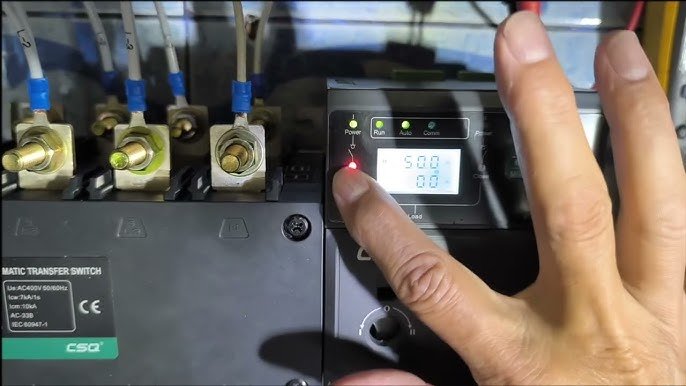
Is your generator Automatic Transfer Switch (ATS) ready to perform when you need it most? Understanding how to test your generator ATS is crucial for ensuring a seamless power transition during outages.
Imagine the stress of a power failure, only to find your backup system isn’t functioning as expected. But don’t worry, testing your generator ATS doesn’t have to be a daunting task. This guide will walk you through each step, making sure you’re prepared and confident.
Dive in to learn the best practices, and ensure peace of mind knowing your power systems are reliable and ready.
Generator Ats Basics
Automatic Transfer Switches (ATS)help switch power from the main source to a generator during outages. They keep power steady and safe.
There are a few types of ATS:
- Open Transition: Switches power after the main source stops.
- Closed Transition: Switches power without any break.
- Delayed Transition: Waits a bit before switching power.
Key parts include:
- Controller: Manages the switch operation.
- Switch Mechanism: Moves power between sources.
- Sensors: Detect power failure or return.
The ATS plays a vital role in power systems. It ensures power is reliable and prevents equipment damage during outages. It keeps homes and businesses safe.
Preparation For Ats Testing
Safety measuresare vital before testing an ATS. Always wear protective gearlike gloves and safety glasses. Ensure the area is clear of hazardsand unauthorized persons. Switch off all power sources to avoid electric shock. Use lockout/tagoutprocedures to keep the system safe during testing.
- Multimeter:To check voltage and continuity.
- Screwdrivers and wrenches:For adjustments and connections.
- Insulated gloves:To protect against electrical hazards.
- Test lamp or load bank:To simulate load conditions.
- Safety glasses:To protect eyes from sparks or debris.
Before testing, conduct pre-test inspections. Check the ATS for any visible damageor wear. Verify that all connections are tightand secure. Look for signs of corrosionor dirt that could affect performance. Test the control circuit to ensure it is working correctly.
Step-by-step Testing Procedures
Begin by inspecting the ATS for any visible damage or loose connections. Next, simulate a power failure to observe if the generator starts and the ATS switches properly. Finally, verify that the transfer back to the main power happens smoothly once power is restored.
Manual Transfer Test
Start by turning off the main power supply. This action forces the ATS to switch to generator power. Check if the generator starts automatically. Ensure the load transfers smoothly to the generator. Monitor the ATS for any unusual noises or delays. Once the main power returns, verify the ATS switches back to normal power. This test confirms the manual operation works correctly and the ATS responds as expected.
Automatic Transfer Test
Simulate a power outage by cutting off the main supply. The ATS should detect the loss and start the generator automatically. Watch the ATS transfer the load to the generator without manual help. After a few minutes, restore the main power. The ATS must switch back to utility power smoothly. This test checks the automatic features and timing of the ATS system.
Load Testing
| Test Type | Purpose | Key Actions | Expected Result |
|---|---|---|---|
| Light Load | Check ATS response with small power demand | Apply small load, observe transfer | Stable transfer, no overload |
| Full Load | Test ATS under maximum generator capacity | Apply full load, watch ATS and generator | Reliable transfer, no failures |
| Overload | Ensure ATS handles excess load safely | Apply overload, monitor alarms and response | ATS trips or alerts, protects system |
Common Issues During Testing
Failure to transfermeans the ATS does not switch to generator power. This can happen because of bad wiring, faulty sensors, or dead batteries. Testing connections and replacing parts helps fix this issue.
Delayed transferhappens when the ATS takes too long to switch power sources. This delay can cause devices to lose power briefly. Causes include slow sensors or control board problems. Adjusting settings or replacing parts may help.
Unexpected load sheddingoccurs when the ATS drops power to some devices during testing. This may be due to overload or wrong settings. Checking load limits and ATS programming can prevent this problem.
Troubleshooting And Maintenance
Diagnosing faultsrequires checking the ATS for common issues. Start by inspecting the control panelfor error codes or warning lights. Listen for unusual noises when the generator switches power. Measure voltage output to ensure it matches specifications. Check all connections and wiringfor looseness or corrosion. Use a multimeter to test switches and relays for proper function. Faulty sensors or damaged parts often cause ATS failures. Keep a log of any irregular readings to track recurring problems.
Routine maintenance tipsinclude cleaning the ATS regularly to prevent dust buildup. Tighten all electrical connections every few months. Test the transfer switch by simulating a power failure to confirm it switches correctly. Lubricate moving parts if needed. Replace worn or damaged seals to keep moisture out. Schedule professional inspections annually for thorough checks. Proper maintenance extends ATS life and ensures reliability.
| Component | Signs of Fault | Replacement Notes |
|---|---|---|
| Control Board | Error codes, no response | Use exact model replacement |
| Relays | Clicking sounds, no switching | Test before replacing |
| Sensors | Incorrect voltage readings | Replace with compatible type |
| Wiring | Frayed wires, loose connections | Inspect and secure properly |

Credit: www.duthiepower.com
Ensuring Long-term Reliability
Testing the Automatic Transfer Switch (ATS)regularly keeps your generator ready. A schedulehelps catch problems early. Tests should happen monthly or quarterly, depending on usage.
Record keepingis key. Write down test dates, results, and any fixes. This helps track performance over time and plan repairs before failures.
Upgrading ATS systems improves reliability and safety. Newer models have better technologyand can handle loads more smoothly. Keep the ATS updated to avoid unexpected issues.
| Task | Frequency | Purpose |
|---|---|---|
| Regular Testing | Monthly or Quarterly | Ensure proper operation |
| Record Keeping | After every test | Track performance and fixes |
| System Upgrades | As needed | Improve safety and reliability |
Safety And Compliance Standards
Testing generator ATSmust follow strict rules set by authorities. These rules ensure safe operationand prevent accidents. Regular checks confirm the ATS works during power outages. Rules vary by country, but all focus on safety and reliability.
Experts suggest testing the ATS at least once a month. Testing includes simulating power failureand checking transfer times. Keeping a log of testshelps track performance. Proper training for staff is essential to avoid errors.
Certified technicians should inspect ATS systems yearly. Inspections find wear and tearor electrical faults. Certificates prove compliance with laws. They also increase trust in the system’s dependability.

Credit: www.youtube.com

Credit: forumelectrical.com
Frequently Asked Questions
What Is The Purpose Of Testing A Generator Ats?
Testing a generator ATS ensures it switches power sources correctly during outages. It verifies reliable automatic power transfer and prevents downtime. Regular tests help identify faults early and maintain system efficiency, improving overall backup power reliability.
How Often Should You Test A Generator Ats?
You should test a generator ATS at least once every six months. Frequent testing ensures the transfer switch operates smoothly under real conditions. This schedule helps detect mechanical or electrical issues before actual power failures occur.
What Tools Are Needed To Test A Generator Ats?
You need a multimeter, clamp meter, and insulated tools to test a generator ATS. These tools measure voltage, current, and continuity safely. Proper equipment ensures accurate diagnostics and prevents damage during testing.
Can You Test A Generator Ats Without Shutting Down Power?
Yes, some ATS models allow testing without shutting down power using a test mode. This mode simulates a power failure safely. However, always follow manufacturer guidelines to avoid risks or damage.
Conclusion
Testing your generator ATS is key to reliable power backup. Regular checks help spot issues early. Follow safety steps to protect yourself and the equipment. Simple tests save time and avoid costly repairs later. Keep a routine to ensure your ATS works when needed.
Stay prepared and confident in your generator’s performance. Small efforts now bring peace of mind during power outages.