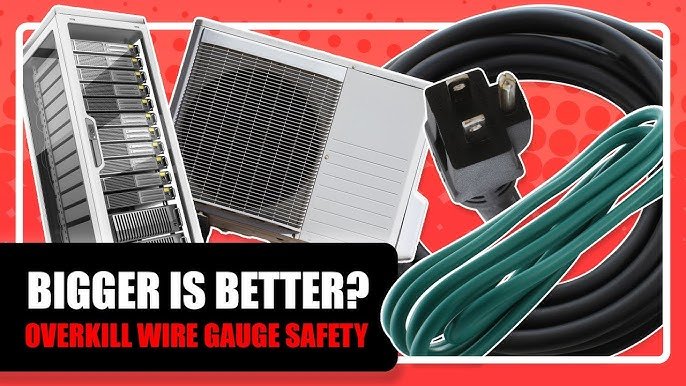
Are you confident that your generator extension cord is safe to use? Ensuring the safety of your electrical equipment is crucial, especially when it involves high-power devices like generators.
A faulty extension cord can lead to serious hazards, including electrical shocks, fires, and equipment damage. But don’t worry; you can easily test your generator extension cord for safety with a few simple steps. In this guide, you’ll discover practical tips and techniques to ensure your cord is in top condition.
By understanding how to properly test your extension cord, you can protect your home, your equipment, and most importantly, yourself. Keep reading to learn how you can take control of your safety with confidence.

Credit: lifesupplyusa.com
Check Cord And Plug Condition
Check the entire lengthof the extension cord for any cuts or abrasions. These can expose wires and cause electric shocksor short circuits. Small damage can get worse over time, so do not ignore it.
Look closely at the plug pins. They should be straightand free from rustor dirt. Bent or corroded pins can create poor connectionsand overheating.
Signs of overheating include discoloration, melting, or a burnt smellnear the plug or cord. These signs mean the cord is unsafeand should be replaced immediately.
Credit: www.nytimes.com
Verify Electrical Ratings
Check the cord’s amperage and voltage ratingsbefore using it with a generator. The cord must handle the generator’s output powersafely to avoid damage or fire risks.
The amperage ratingshows the maximum current the cord can carry. The voltage ratingtells the highest voltage the cord supports. Both ratings must be equal to or higher than the generator’s output.
Using a cord with a lower rating than the generator’s output can cause overheating and electrical failure.
Here is a simple comparison:
| Generator Output | Minimum Cord Rating |
|---|---|
| 120V, 15A | 120V, 15A |
| 240V, 20A | 240V, 20A |
| 120V, 30A | 120V, 30A |
Test Continuity With A Multimeter
First, set your multimeter to the continuity test mode. This mode checks if electricity flows through the cord. Touch the two probes together to see if the meter beeps. This confirms the multimeter works well.
Next, test each wire inside the extension cord. Place one probe on one end of a wire and the other probe on the same wire at the opposite end. If the meter beeps or shows zero resistance, the wire is good.
Check all wires this way. If the meter does not beep, the wire might be broken or damaged.
To find broken connections, test between plugs and wires. Move probes along the cord if needed. Broken spots stop the beep and need repair or replacement.
Check Grounding Integrity
Start by checking the ground wire continuity. Use a multimeter set to the continuity mode. Touch one probe to the plug’s ground prong and the other to the cord’s ground wire. A beep or low resistance shows the ground wire is intact. No beep means the wire is broken or disconnected.
Next, test the ground connection resistance. Set the multimeter to measure resistance (ohms). Connect one probe to the ground prong and the other to a known good ground source. The resistance should be very low, usually under 1 ohm. Higher readings can mean poor grounding or corrosion.
- Inspect the cord for visible damage or frayed wires.
- Make sure all plugs and connectors are tight and secure.
- Check for any signs of corrosion or rust on metal parts.
Perform Load Testing
Choose a test loadthat matches the cord’s power rating. This load will check if the cord carries current safely. Use devices like electric heaters or lamps as test loads. Avoid loads that pull more power than the cord can handle.
Keep an eye on the cord’s temperature. The cord should stay cool or just warm. If it feels hot, the cord may be unsafe and could cause a fire. Check the temperature often during testing.
Watch for voltage stability. Use a voltmeter to see if voltage stays steady. Large drops or spikes show problems in the cord or connections. Stable voltage means the cord works well under load.
Evaluate Gfci Protection
Test the built-in GFCI buttonon the extension cord. Press the “Test”button to cut power. The power should turn off immediately. Press the “Reset”button to restore power. If the power does not turn off, the GFCI is faulty and needs replacement.
An external GFCI testercan also be used. Plug the tester into the extension cord. Press the test button on the tester. It simulates a ground fault to check if the GFCI trips. If the extension cord does not trip, it is unsafe.
- Use built-in test and reset buttons
- Confirm power cuts off during the test
- Use an external tester for extra safety check
- Replace the cord if GFCI fails any test
Inspect For Moisture And Dirt
Check the extension cord for any moistureor dirt. Moisture can cause short circuitsor damage. Dirt on connectors stops proper electric flow. Clean the connectors using a dry clothor a small brush. Avoid using water or wet materials on electrical parts.
Wipe the cord surface to remove dust and grime. This keeps the cord in good condition and prevents wear. Store the cord in a dry place. Avoid places with high humidity or dirt. Proper storage helps keep the cord safe and reliablefor use.

Credit: truegear.com.au
Follow Safety Best Practices
Avoid overloading the cordto prevent overheating and fire risks. Check the cord’s wattage rating before use. Do not plug in devices that draw more power than the cord can handle.
Store properly after useby coiling the cord loosely. Keep it in a dry place away from sunlight and moisture. This stops damage and extends the cord’s life.
Replace damaged cords promptly. Look for cuts, cracks, or exposed wires. Using a damaged cord can cause electric shocks or fires. Always choose a cord with proper ratings for your generator.
Frequently Asked Questions
How Do I Check A Generator Extension Cord For Safety?
Inspect the cord for cuts, cracks, or frayed wires. Test the plug and socket for secure connections. Use a multimeter to check continuity and proper grounding.
What Tools Are Needed To Test Extension Cord Safety?
A multimeter is essential for checking continuity and grounding. Visual inspection tools like a flashlight help spot damage. A voltage tester can confirm proper power flow.
How Often Should I Test My Generator Extension Cord?
Test your extension cord before each use and at least once a year. Frequent checks prevent electrical hazards and ensure reliable performance during emergencies.
Can Damaged Extension Cords Cause Generator Hazards?
Yes, damaged cords can lead to electrical shocks, fires, or equipment failure. Always replace or repair cords showing wear or damage immediately for safety.
Conclusion
Testing your generator extension cord for safety protects your home and devices. Always check for damage before each use. Use a multimeter to confirm proper voltage and continuity. Avoid overloading the cord to prevent overheating. Keep the cord dry and clean to stop electrical hazards.
Regular safety checks help catch problems early. Stay safe and keep your power running smoothly. Simple steps make a big difference in preventing accidents. Safety matters—don’t skip these important tests.