Have you ever wondered if your generator is performing at its best? Ensuring the accuracy of your generator’s frequency sensor is crucial for its optimal functionality and longevity.
But how do you know if it’s giving you precise readings? You’ll discover simple and effective steps to test your generator’s frequency sensor accuracy, ensuring you’re not left in the dark when you need power the most. Don’t let uncertainty hold you back; arm yourself with the knowledge to keep your generator in peak condition.
Read on to uncover the secrets of maintaining a reliable power source.

Credit: www.datatec.eu
Generator Frequency Sensors Basics
Generator frequency sensorsmeasure the speed of the generator’s output. They help keep the power supply steady and safe. These sensors send signals that show how fast the generator runs.
The role of frequency sensorsis to ensure the generator works at the right speed. If the speed changes, the sensor alerts the system to adjust. This prevents damage and keeps electricity stable.
| Sensor Type | Description | Common Use |
|---|---|---|
| Magnetic Pickup | Detects metal gear teeth passing by | Simple speed sensing |
| Optical Sensor | Uses light to detect movement | Precise speed measurement |
| Hall Effect Sensor | Measures magnetic fields | Robust and reliable sensing |

Credit: lj-machine.com
Why Sensor Accuracy Matters
Sensor accuracyis key for the generator’s stable operation. It ensures the frequency stays within safe limits. Wrong readings can cause the generator to work too fast or too slow.
This affects generator performanceby making power output unstable or unreliable. Machines connected to the generator may get damaged or stop working.
Safety risksgrow when sensors give false data. Over-speed or under-speed can cause mechanical failuresor electric hazards. Reliable sensors help avoid accidents.
Reliabilitymeans the generator runs smoothly without unexpected stops. Accurate sensors help with early detection of problems, allowing timely fixes.
- Stable frequency keeps machines safe and working well.
- Accurate sensors prevent damage and costly repairs.
- Good sensor data helps control systems respond fast.
Preparing For Frequency Sensor Testing
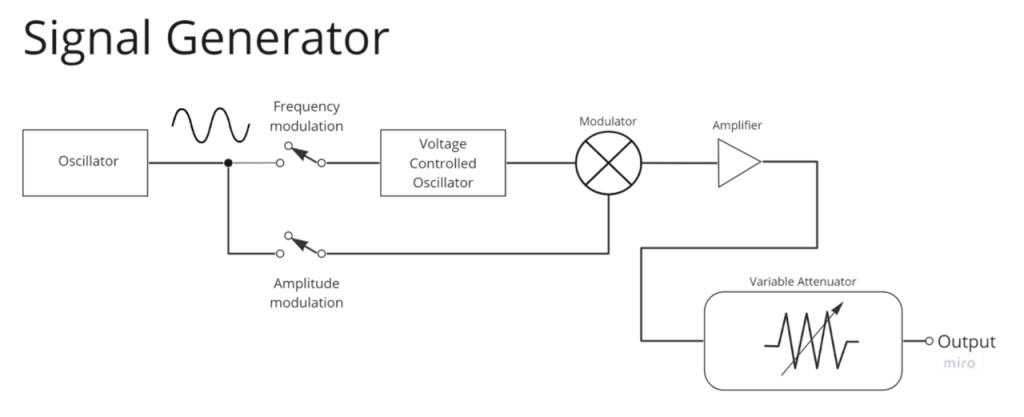
Testing a generator frequency sensor needs the right tools and equipment. A reliable frequency meteror multimeterwith frequency measurement is essential. Use a calibrated signal generatorto provide accurate frequency signals. A digital oscilloscopehelps visualize sensor output. Ensure you have connecting wiresand probesto link devices safely.
Safety is key during testing. Always turn off the generatorbefore connecting tools. Wear insulated glovesto avoid electric shock. Keep the testing area dry and clean. Make sure all equipment is properly grounded. Never touch live wires or terminals directly. Follow the manufacturer’s safety instructionsstrictly.

Credit: www.mdpi.com
Easy Methods To Test Sensor Accuracy
A digital multimetercan help check the sensor’s frequency output. Set the multimeter to measure frequency. Connect the sensor leads to the multimeter. The reading should match the generator’s known frequency. If the values differ, the sensor may need calibration or replacement.
An oscilloscopeshows the sensor’s output waveform visually. Connect the sensor output to the oscilloscope input. Observe the waveform shape and frequency. The waveform should be stable and match the expected frequency. Irregular waves or incorrect frequency indicate sensor issues.
A frequency counterprovides a direct frequency reading. Connect the sensor signal to the frequency counter input. The displayed value must align with the generator frequency. Differences suggest sensor inaccuracies or faults. This method is simple and gives quick results.
Reliable Testing Techniques
Signal generator calibration ensures the sensor reads the correct frequency. Use a known frequency source to set the generator. Adjust the output until the sensor matches this value. This step helps catch errors early. Regular calibration keeps sensors reliable over time.
Comparative testing checks the sensor against a trusted reference sensor. Place both sensors in the same environment. Compare their frequency readings side by side. Differences show if the tested sensor needs adjustment or repair. This method is simple and effective.
Data logging collects sensor readings over time. Use software or devices to record frequency values continuously. Analyze the data to spot patterns or sudden changes. This helps find intermittent faults that short tests might miss. Consistent logging improves sensor accuracy checks.
Common Issues And Troubleshooting
Sensor driftcauses incorrect frequency readings over time. This happens when the sensor slowly loses calibration or gets worn out. Small errors add up and affect the final output. Regular checkshelp catch these problems early.
Environmental factorslike temperature, humidity, and vibrations can affect sensor accuracy. High heat or cold changes sensor behavior. Moisture can cause short circuits or corrosion. Strong vibrations may shake the sensor and cause false readings.
Fixes often include recalibrating the sensorusing a known reference frequency. Cleaning sensor contacts and protecting the device from harsh conditions help maintain accuracy. Sometimes, replacing worn parts or upgrading to a better sensor is needed. Tightening screws and securing wires also improves performance.
Maintaining Sensor Accuracy Over Time
Maintaining sensor accuracyrequires a regular calibration schedule. Calibration checks ensure the sensor reads frequency correctly. Frequent calibration helps catch errors early. It also keeps the sensor reliable over time.
Proper handling and storage are equally important. Sensors must be kept in a clean, dry placeaway from dust and moisture. Avoid dropping or hitting the sensor to prevent damage. Use original packaging for storage if possible. This protects the sensor from environmental harm and mechanical shocks.
- Calibrate sensors based on manufacturer recommendations.
- Store sensors in a stable temperature environment.
- Handle sensors gently during installation and removal.
- Keep sensors away from strong magnetic fields.
Frequently Asked Questions
How Do I Test Generator Frequency Sensor Accuracy?
To test accuracy, use a calibrated frequency meter or oscilloscope. Compare the sensor output against known frequency values. Ensure the generator runs at stable speed for precise measurement. Record and analyze deviations to verify sensor precision.
What Tools Are Needed To Check Frequency Sensor Accuracy?
You need a frequency meter or oscilloscope, a stable power source, and test leads. A signal generator can simulate different frequencies for testing. These tools help measure and compare the sensor’s output accurately.
Why Is Generator Frequency Sensor Accuracy Important?
Accurate sensors ensure stable power output and prevent equipment damage. They maintain synchronization with the grid and optimize generator performance. Inaccurate sensors can cause frequency fluctuations and operational failures.
How Often Should I Calibrate Frequency Sensors?
Calibrate frequency sensors at least once a year or as recommended by the manufacturer. Regular calibration ensures consistent accuracy and reliable performance. Calibration is crucial after repairs or sensor replacements.
Conclusion
Testing the generator frequency sensor ensures your system runs smoothly. Accurate readings help prevent damage and maintain efficiency. Follow clear steps to check sensor accuracy regularly. Small errors can cause big problems over time. Keep your equipment reliable by testing often.
This simple task saves time and money later. Trust your sensor to deliver correct data every time. Stay safe and avoid costly repairs with regular checks.