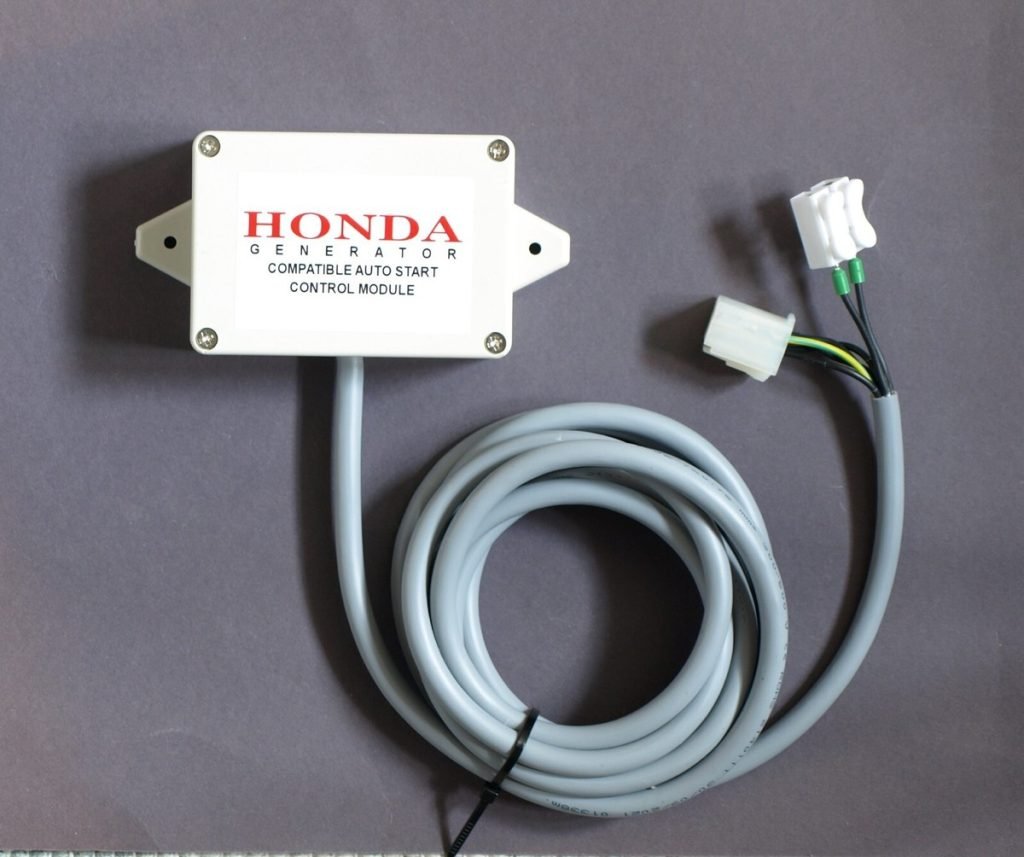
Picture this: the power goes out, and you’re ready to switch on your generator with just a click of a button. But what if that crucial remote start module fails you?
Knowing how to test your generator’s remote start module can save you from frustrating moments when you need power the most. In this guide, you’ll discover simple steps to ensure your generator’s remote system works flawlessly every time. Imagine the peace of mind you’ll gain, knowing your home or business is prepared for any power disruption.
Let’s dive in and make sure your generator is always ready to spring into action when you need it most.

Credit: guangling.en.made-in-china.com
Tools Needed
Testing a generator remote start module requires some essential toolsand safety gear. Prepare these items before you begin.
- Multimeter:Measures voltage and continuity.
- Screwdrivers:For opening the module and connections.
- Wire cutters and strippers:To handle wiring safely.
- Test leads:Helps connect multimeter to wires.
- Battery or power source:To power the module during testing.
Safety is important. Use insulated glovesto protect hands. Wear safety glassesto avoid eye injury. Work in a dry, well-lit areato prevent accidents.
Credit: www.smokstak.com
Preparation Steps
Turn off the vehicle’s ignition to avoid any electric shock. Disconnect the battery’s negative terminal to cut power completely. This prevents accidental starts or damage during testing.
Find the remote start module, usually under the dashboard or near the steering column. It looks like a small box with wires connected to it. Check your vehicle manual for the exact location.
- Make sure all tools are ready before starting the test.
- Wear gloves to protect your hands from sharp edges.
- Keep the car in a safe, flat area to avoid accidents.
Basic Function Tests
Check the power supplyto ensure the module gets the right voltage. Use a multimeterto measure the voltage at the power wires. The reading should match the module’s specifications. Low or no voltage means a problem in the power source or wiring.
Inspect wiring connections closely. Look for loose, damaged, or corrodedwires. Tighten any loose connectors and replace damaged wires. Good connections help the module work properly.
- Verify the power cable is firmly attached.
- Check ground wire for secure contact.
- Look for signs of wear or breaks in the wiring.
- Ensure no wires are shorted or touching each other.

Credit: www.electricgeneratorsdirect.com
Remote Control Testing
Check the remote batteryto ensure it has enough power. A weak battery can stop the remote from working properly. Remove the battery and test it with a battery testeror replace it with a new one to see if the remote works better.
To test signal transmission, stand near the generator. Press any button on the remote and watch for a response. If the generator does not start or respond, the remote may not be sending a signal.
A simple tool like a signal testeror a smartphone camera can help. Point the remote’s LED light at the camera lens. Press a button. If you see a light flash on the screen, the remote sends signals correctly.
Module Activation Check
To perform a manual trigger test, connect the remote start module to the generator’s control panel. Use the module’s test button or a jumper wire to simulate the start signal. Watch for any indicator lights on the module that confirm activation.
Observe the generator responsecarefully. The generator should start smoothly without delays or unusual noises. If it does not start, check wiring connections and module power supply. A steady or blinking light on the module often shows the system is active or in error.
Keep these points in mind:
- Ensure the generator is in a safe and ready state before testing.
- Listen for the engine turning over or the sound of the fuel system activating.
- Confirm the module’s LED indicators match the expected behavior.
Troubleshooting Tips
Common issues with a generator remote start module include no responsefrom the remote, intermittent connection, and the generator not starting. Faulty wiring or a dead batteryin the remote can cause these problems. Dirt or moisture inside the module may also lead to poor performance.
Quick fixes often involve simple checks and actions:
- Ensure the remote has fresh, fully charged batteries.
- Clean the module and remote with a dry cloth to remove dirt.
- Inspect all wiring connections for loose or broken wires.
- Reset the module by disconnecting power for a few minutes.
- Keep the remote within the recommended signal range.
Maintenance Advice
Check the remote start module regularly to ensure it works well. Look for any signs of wear or damage on wires and connectors. Keep the module and battery clean from dust and moisture. Test the remote start function by pressing the button and observing if the generator starts promptly. Keep the remote batteries fresh and replace them yearly or as needed.
- Inspect wiring for loose or broken connections.
- Clean dust from the module and remote control.
- Test the remote start function monthly.
- Replace batteries in the remote control regularly.
- Store the remote in a dry place to avoid moisture damage.
Frequently Asked Questions
How Do I Test A Generator Remote Start Module?
To test a generator remote start module, first check the battery and connections. Use a multimeter to verify voltage. Activate the remote start and listen for the generator to crank. Confirm the module sends the start signal properly.
What Tools Are Needed To Test The Remote Start Module?
You need a multimeter, screwdriver, and the generator’s wiring diagram. A test light or voltage tester helps check electrical signals. These tools allow you to inspect wiring, verify voltage, and confirm the remote start module functions correctly.
Why Is My Generator Remote Start Not Working?
Common reasons include dead batteries, faulty wiring, or a malfunctioning remote start module. Check for loose connections and test the module with a multimeter. Replace any damaged parts to restore proper operation.
Can I Test The Remote Start Module Without Removing It?
Yes, you can test the remote start module in place. Use a multimeter to measure voltage and continuity at the module terminals. Activate the remote and observe the generator’s response to confirm functionality.
Conclusion
Testing a generator remote start module helps keep your system reliable. Follow each step carefully for best results. Check connections, signals, and response times with simple tools. Regular tests prevent unexpected failures and save repair costs. Stay safe by handling electrical parts cautiously.
A working remote start module means convenience and peace of mind. Keep your generator ready for use anytime you need it. Simple tests can make a big difference in performance. Don’t skip this important maintenance task.