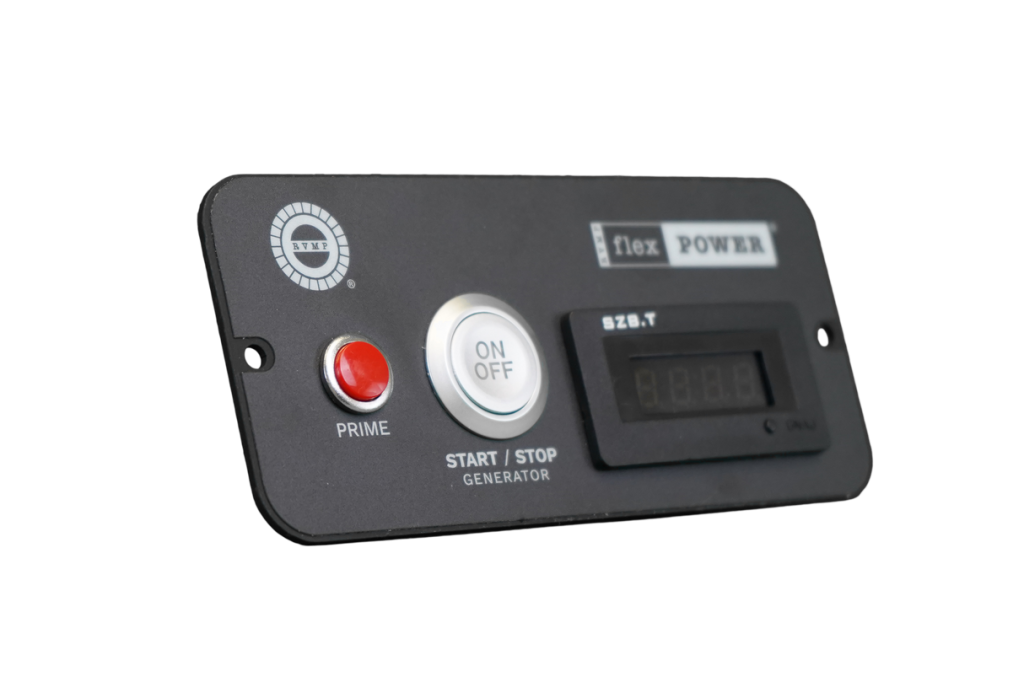
Are you unsure if your generator’s remote start system is working properly? Testing it might seem tricky, but it doesn’t have to be.
You rely on your generator to power your home or business when the lights go out. So, making sure your remote start system responds quickly and correctly is crucial. You’ll learn simple, clear steps to test your generator’s remote start system with confidence.
By the end, you’ll know exactly how to keep your backup power ready whenever you need it. Let’s get started and make sure your system works perfectly every time.
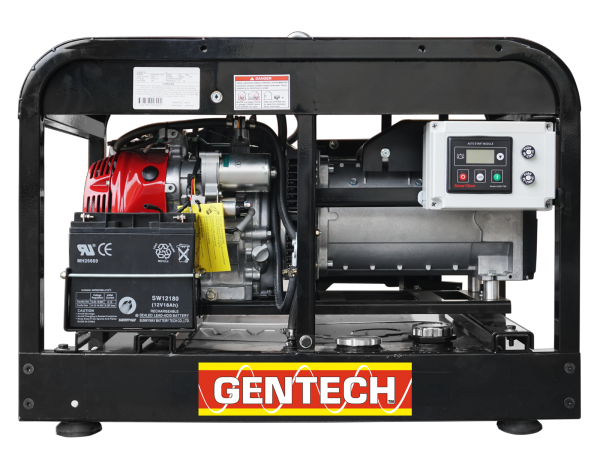
Credit: www.mygenerator.com.au
Preparing For Testing
Gather all tools neededbefore starting the test. This often includes a multimeter, screwdrivers, and the remote controlunit.
Read the manufacturer’s instructionscarefully. These contain important detailsabout your specific remote start system. Follow them closely to avoid mistakes.
Take safety precautionsseriously. Make sure the generator is in a well-ventilated area. Keep away from any flammable materials. Wear protective glovesand eye protectionto stay safe.
Inspecting The Remote Start System
Check the remote batteryfirst. A weak or dead battery can stop the system from working. Replace the battery if needed.
Test the remote signal by pressing the start button near the generator. The remote should send a clear signal to the receiver.
Verify receiver module connections. Make sure all wires are plugged in tightly. Loose connections can cause issues.
Look for any damage or corrosion on the receiver. Clean or replace parts if necessary.
| Wiring & Fuses Check | What to Do |
|---|---|
| Inspect wiring | Look for cuts, burns, or loose ends. Repair any damage. |
| Check fuses | Find blown fuses and replace them with the correct type. |
| Secure connections | Make sure all wires are connected firmly and correctly. |
Performing Functional Tests
Press the remote start button to activate the generator. The generator should start within a few seconds. Look for sounds of the engine and check if the lights on the generator turn on. This confirms the remote start is working.
Walk away from the generator with the remote to test the signal range. Note the maximum distance where the remote still starts the generator. Walls and objects may reduce this range.
| Condition | Expected Result | What to Check |
|---|---|---|
| Clear Line of Sight | Strong signal, starts generator easily | Distance in open space |
| Obstacles Present | Signal weakens, shorter range | Walls, furniture blocking signal |
| Interference Sources | Possible failure to start | Other electronics nearby |

Credit: www.ebay.com
Troubleshooting Common Issues
Testing the generator remote start system ensures it works correctly and starts the engine smoothly. Check the battery, signal range, and remote button response to spot common problems. Simple tests help find issues fast and keep your generator ready.
No Response From Remote
Check the remote battery. A weak battery often causes no signal. Make sure the remote is within operating range. Look for any physical damageon the remote. Clean the remote sensor on the generator for better reception.
Generator Fails To Start
Ensure the fuel supply is adequate. Check if the generator’s main switch is on. Test the remote start button for proper function. Sometimes, the starter motor may need inspection. Look for any fault codes on the generatordisplay.
Intermittent Operation
- Check for loose wiring connections.
- Inspect the antennafor damage or poor placement.
- Test the remote control’s signal strength.
- Make sure there is no interference from other devices.
- Reset the remote and generator system if needed.
Maintaining Remote Start System
Regularly replacing the batteryin your remote start system is key. A weak battery can cause connection issuesand failures. Check the battery level every few months and replace it as needed. Use the correct battery type recommended by the manufacturer for best results.
Cleaning the remote and system components helps maintain reliable performance. Use a soft cloth to wipe away dirt and dust. Avoid harsh chemicals that might damage the parts. Protect the remote from water and extreme temperatures to extend its life.
Keeping software and firmware up to date ensures your system works smoothly. Manufacturers release updates to fix bugs and improve security. Check for updates regularly through the app or device interface and install them promptly to avoid problems.
Advanced Testing Techniques
Diagnostic tools help check the remote start system accurately. They show error codes and system status clearly. These tools connect to the generator’s control unit. This process reveals hidden issues fast.
Signal strength affects remote start range and reliability. Use a signal meter to measure it. Strong signals mean better remote control performance. Weak signals may cause start failures or delays.
Simulating fault conditions tests system response safely. Create scenarios like power loss or sensor failure. Watch how the system reacts and recovers. This helps find weak points before real problems happen.

Credit: westinghouseoutdoorpower.com
Frequently Asked Questions
How Do I Test A Generator Remote Start System?
To test, ensure the generator is off and fuel is adequate. Use the remote start button and listen for the generator to power on. Check if all connected systems respond correctly to the remote signals.
What Tools Are Needed For Testing Remote Start Generators?
You need the generator manual, remote control, fuel, and a multimeter. These tools help verify electrical connections and remote functionality effectively.
Why Isn’t My Generator Remote Start Working?
Common issues include weak batteries in the remote, poor signal range, or faulty wiring. Check these components first to identify and fix the problem.
How Often Should I Test My Generator’s Remote Start?
Test the system monthly to ensure reliable operation. Regular checks help detect issues early and maintain generator readiness.
Conclusion
Testing your generator remote start system helps ensure it works properly. Follow each step carefully to avoid mistakes. Regular checks can save time and prevent problems later. A working remote start system adds comfort and convenience. Simple tests reveal any faults early on.
Stay safe by confirming all parts respond well. Keep your generator ready for use at any time. Remember, small efforts now prevent bigger issues. Testing is quick and worth the time. Your generator will run smoothly and reliably.