Are you feeling stuck with a generator that’s acting up? You’re not alone.
A faulty temperature sensor can lead to a host of problems, from unexpected shutdowns to costly repairs. But fear not! Testing your generator’s temperature sensor is easier than you might think, and doing it yourself can save you time and money.
In this guide, we’ll walk you through the straightforward steps to check your sensor efficiently. You’ll learn to identify issues before they escalate, ensuring your generator runs smoothly when you need it most. Ready to take control and keep your generator in top shape? Let’s dive right in!
Tools Needed
- Multimeter:Measures electrical resistance and voltage.
- Screwdriver set:Removes sensor covers and screws.
- Wrench set:Loosens or tightens sensor fittings.
- Thermometer:Checks actual temperature for comparison.
- Cleaning cloth:Wipes sensor and connectors clean.
- Protective gloves:Keeps hands safe during testing.
These tools help check if the temperature sensor works right. The multimeteris key to test electrical parts. A thermometershows the real heat level. Keep everything clean and safe with cloth and gloves.
Locate The Temperature Sensor
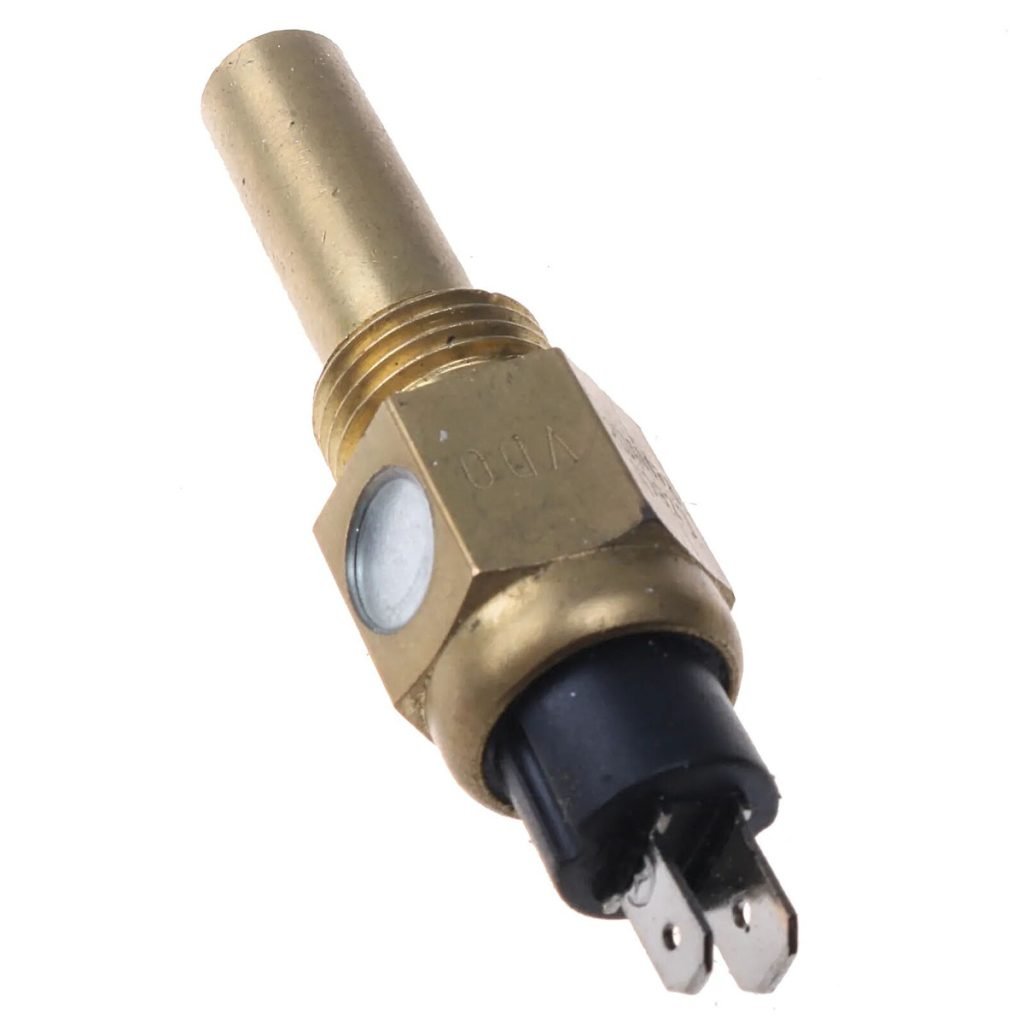
The temperature sensorin a generator is usually near the engine block. It looks like a small metal probe or cylinder. Sometimes it has a wire connected to it. The sensor measures the heat of the engine to keep it safe.
To find the sensor:
- Open the generator’s engine cover.
- Look for a part with a wire or connector attached.
- Check near the cylinder head or engine block.
- Use the generator manual to help identify the sensor.
Handle the sensor gently to avoid damage. It may be hot if the generator was running recently.
Safety Precautions
Always wear protective glovesand safety glassesbefore starting. Make sure the generator is turned offand cool. Avoid touching hot parts to prevent burns. Use tools with insulated handlesto avoid electric shock.
Work in a well-ventilated areato avoid breathing fumes. Keep a fire extinguishernearby, just in case. Never test the sensor while the generator is runningunless instructed by the manual. Follow all manufacturer safety instructionscarefully.
Credit: www.elektormagazine.com
Prepare The Generator
Start by turning off the generator and letting it cool down. This prevents burns and ensures safety. Locate the temperature sensor, usually near the engine block or radiator. Clean the sensor area gently to remove dirt and debris. This helps get accurate readings. Check the wiring connected to the sensor for any damage or loose connections. Make sure the generator is on a flat surface for stable testing. Gather all tools needed, like a multimeter and a wrench, before starting the test. Always follow safety guidelines and wear gloves if needed. Preparing the generator well saves time and avoids mistakes during the test.
Test Sensor Resistance
Prepare a multimeterby setting it to the resistance (ohms) mode. Make sure the device is off to avoid wrong readings. Connect the multimeter leads to the sensor terminals carefully.
Check the sensor’s resistance by touching the multimeter probes to the sensor pins. Watch the reading on the screen. It should change as the sensor temperature changes.
| Temperature (°C) | Expected Resistance (Ohms) |
|---|---|
| 20 | 2,500 – 3,000 |
| 50 | 1,200 – 1,600 |
| 80 | 500 – 800 |
Match your readings with the sensor’s specification chart. If the resistance is outside the range, the sensor may be faulty. Test at different temperatures for best accuracy.

Credit: www.youtube.com
Test Sensor Output Voltage
Connect the sensor’s wires to the multimeter’s probes carefully. Set the multimeter to measure voltage (Volts). Make sure the sensor and multimeter have a good connection.
Start the generator or warm up the sensor. Watch the multimeter screen for voltage changes. The voltage should rise as the sensor gets hotter.
- Low voltage means the sensor is cold or faulty.
- Voltage that changes smoothly shows a working sensor.
- Sudden jumps or no change may mean sensor issues.
Compare the voltage reading to the sensor’s chart or manual. The voltage should match the temperature range listed. If it doesn’t, the sensor might need replacement.
Check Wiring And Connections
Check all wiring for visible damagelike cuts or burns. Damaged wires can cause wrong sensor readings.
Use a multimeter to test continuity. This ensures wires allow electrical flow without breaks.
- Turn off the generator before testing.
- Set multimeter to continuity mode.
- Touch probes to each wire end.
- Look for a beep or zero resistance.
Tighten any loose connections. Loose wires can cause sensor errors or failure.
Replace Faulty Sensor
Start by turning off the generator and letting it cool down. Use a wrench to carefully loosen and remove the old temperature sensor. Keep the area clean to avoid dirt entering the engine.
Check the new sensor for any damage before installation. Screw the new sensor into place by hand, then tighten it gently with a wrench. Avoid overtightening to prevent damage.
Once installed, turn on the generator and let it run for a few minutes. Use a multimeter or diagnostic tool to check if the new sensor reads the correct temperature. This ensures the replacement was successful and the generator runs safely.
Tips For Accurate Testing
Ensure the generator is offbefore testing the temperature sensor. This prevents accidents and false readings. Use a multimeterto check the sensor’s resistance. The resistance should match the values in the sensor manual.
Test the sensor at different temperatures for accuracy. Use ice waterfor cold and warm water for heat checks. Watch for consistent changesin resistance as temperature changes.
Check all wiring and connections for damage or corrosion. Clean or replace any faulty parts to avoid errors. Keep the sensor dry and free from dirt during testing.
- Turn off generator power
- Measure sensor resistance with a multimeter
- Compare readings to sensor specs
- Test sensor in cold and warm water
- Inspect wiring and connectors
- Keep sensor clean and dry

Credit: www.youtube.com
Frequently Asked Questions
How Do I Check A Generator Temperature Sensor?
To check a generator temperature sensor, first locate it near the engine. Use a multimeter to test resistance at various temperatures. Compare readings with manufacturer specifications. If readings are off, the sensor may be faulty and need replacement.
What Tools Are Needed To Test The Sensor?
You need a digital multimeter, a temperature source (like hot water), and the generator’s wiring diagram. These tools help measure sensor resistance and verify proper function accurately and safely.
Can A Faulty Sensor Cause Generator Overheating?
Yes, a faulty temperature sensor can cause incorrect readings. This may prevent the generator from shutting down during overheating, risking serious engine damage.
How Often Should Generator Temperature Sensors Be Tested?
Test temperature sensors at least once a year or during regular generator maintenance. Frequent testing ensures accurate temperature readings and prevents unexpected failures.
Conclusion
Testing a generator temperature sensor helps keep your machine safe. Check the sensor regularly to avoid overheating problems. Use a multimeter or other tools for accurate readings. Always follow safety steps while testing to protect yourself. Simple tests save time and prevent costly repairs later.
Keep your generator running smoothly by staying alert to sensor issues. Regular checks mean fewer breakdowns and longer machine life. Stay proactive, and your generator will work when you need it most.