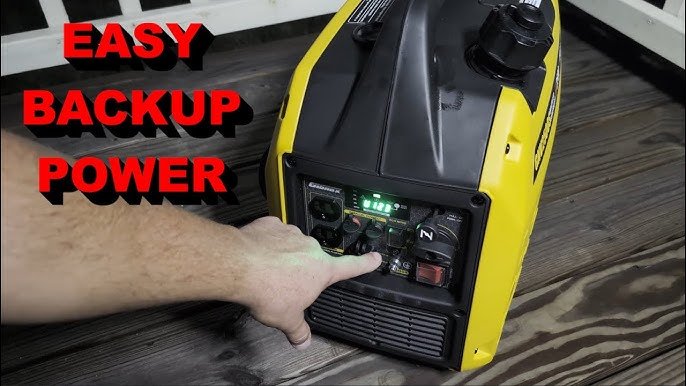
When you rely on a portable gas generator, knowing its output is crucial for safety and efficiency. Whether it’s for camping trips, powering tools, or ensuring your home stays lit during power outages, you need to trust that your generator can meet your needs.
But how do you go about testing it? This guide will walk you through the simple steps to accurately measure your generator’s output, ensuring you get the most from your investment. Stay with us, and you’ll soon have the confidence to power up your devices without worry.
Ready to discover how to keep your generator running at its best? Let’s dive in!
Credit: www.youtube.com
Tools Needed For Testing
A multimetermeasures voltage, current, and resistance. Choose a digital one for easy reading. It helps check if the generator produces the right voltage and current. Always test the multimeter first to make sure it works.
Use a load testerto apply a safe load on the generator. This shows if the generator can handle real power demands. Options include resistive load banks or simple appliances like lamps or heaters. Pick a load that matches the generator’s rating.
| Safety Gear | Purpose |
|---|---|
| Insulated gloves | Protect hands from electric shocks |
| Safety goggles | Guard eyes from sparks or debris |
| Ear protection | Reduce noise from the generator |
| Fire extinguisher | Handle small fires in emergencies |
Credit: powersmartusa.com
Preparing The Generator
Check the fuel levelbefore starting the generator. Use fresh fuel to ensure smooth running. The oilmust be at the right level. Too low or dirty oil can damage the engine. Use the dipstick to see oil condition and amount. Change oil if it looks dark or thick.
Look over the generator for any damageor loose parts. Clean dirt or dust from vents and filters. Make sure the spark plug is clean and tight. Check cables and plugs for cracks or wear. Fix any issues before running the generator.
Place the generator on a flat, drysurface outdoors. Keep it away from doors, windows, and vents to avoid fumes inside. Make sure the area is clear of flammable materials. Good airflow helps the generator cool and work well. Keep children and pets away during testing.
Measuring Voltage Output
To connect the multimeter, first set it to measure AC voltage. Insert the multimeter probes into the generator’s output sockets. Make sure the generator is running and stable. Hold the probes steady to get a clear reading.
Check the multimeter display for the voltage level. It should match the generator’s rated output, usually around 120V or 240V. Readings that are too low or too high indicate a problem.
| Voltage Reading | Meaning |
|---|---|
| Within ±5% of rated voltage | Generator is functioning properly |
| Significantly below rated voltage | Possible overload or weak output |
| Significantly above rated voltage | Risk of damage to connected devices |
Testing Frequency Output
Frequency meters help check the output frequencyof portable gas generators. These meters show the cycles per secondor hertz (Hz) the generator produces. Most home generators should run close to 60 Hz.
Keep the frequency stable for proper appliance function. A stable frequencymeans less risk of damage to electronics. Fluctuations may cause lights to flicker or devices to fail.
Check for frequency issues like:
- Generator running too fast or slow
- Unstable frequency readings on the meter
- Unusual noises from the engine
Troubleshooting may include:
- Adjusting the engine speedcontrol
- Checking fuel and air filters
- Consulting the user manual for specific fixes
Load Testing Procedures
Selecting the right load is keyfor accurate generator testing. Choose a load that matches the generator’s rated output. This helps avoid damage and ensures correct readings. Resist using loads that are too small or too large. Use resistive loads like heaters or lamps for simple testing.
During the load test, connect the generator to the chosen load. Run the generator for at least 30 minutes at full load. Monitor voltage, current, and frequency closely. Watch for any unusual sounds or smells. Stop the test immediately if you notice any problems.
Evaluating generator performance means checking if it stays stable under load. Voltage should not drop more than 5%. Frequency must stay near the rated value, usually 50 or 60 Hz. Also, check engine temperature and fuel consumption for normal levels. Record all data for future comparison.
Common Issues And Fixes
Voltage fluctuationsin portable gas generators can cause device damage. Often, this happens due to loose wiring or a weak battery. Checking connections and tightening them helps fix this issue. Replacing old batteries may also stabilize voltage.
Frequency instabilityaffects appliances that need steady power. This problem may arise from a worn-out engine or wrong fuel type. Adjusting the throttle or changing the fuel can improve frequency stability.
Load test failureshappen when the generator cannot handle the device load. Overloading or faulty parts cause this. Reducing the load or repairing parts usually solves the problem.
Maintaining Accurate Output
Keeping the generator output accurateneeds regular checks. Set a testing scheduleto avoid power issues. Test output every few months or after heavy use. Use a multimeter or a power meter to measure voltage and frequency. Check if the readings match the generator’s label.
Proper maintenancehelps maintain output quality. Clean the generator’s air filters and fuel system regularly. Change the oil as per the manual. Tighten any loose connections and bolts. Store the generator in a dry place to prevent rust and damage.
Seek professional helpif the output is unstable or low. Experts can find hidden problems and fix them safely. Avoid using the generator if it sparks or smells strange. Safety first.
Credit: www.nytimes.com
Frequently Asked Questions
How Do I Measure Portable Generator Output?
Use a multimeter or clamp meter to measure voltage and current. Multiply voltage by current to get wattage. Always test under load for accurate results.
What Tools Are Needed To Test Generator Output?
You need a multimeter or clamp meter, a load tester, and safety gear. These tools help measure voltage, current, and overall generator performance safely.
Why Test A Portable Generator’s Output Regularly?
Regular testing ensures reliable power supply and detects issues early. It helps maintain generator efficiency, prolongs lifespan, and prevents unexpected failures during use.
How To Safely Test Generator Output At Home?
Place the generator outdoors for ventilation. Connect a known load, measure voltage and current using a multimeter. Avoid overloading and follow all safety instructions.
Conclusion
Testing your portable gas generator’s output keeps it running safely. Use a multimeter or wattmeter to check the power. Always follow the steps carefully to avoid mistakes. Regular testing helps find problems early and saves repair costs. Stay safe by testing in a well-ventilated area.
Keep your generator ready for any power outage. Simple checks protect your equipment and your home. Trust your tests and enjoy peace of mind.