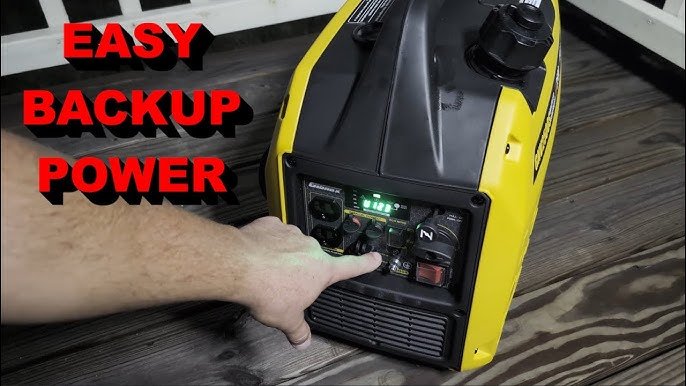
Are you curious about the efficiency of your silent gas generator? Imagine being in a situation where you rely on your generator to power your home, only to find out it’s not performing as expected.
Testing your generator’s output is crucial to ensure it’s running smoothly and providing the power you need, when you need it. You’ll discover simple steps to check your generator’s performance and gain peace of mind. Whether you’re a seasoned DIY enthusiast or just starting out, understanding these testing techniques will empower you to keep your home running seamlessly.
Dive in and find out how to confidently test your silent gas generator’s output!

Credit: www.rvmp.co
Preparing For The Test
Gather tools like a multimeter, clamp meter, and a voltage tester. These help check the generator’s output safely and accurately. Have an extension cord and a load tester ready to simulate power use.
Safety is very important. Wear insulated gloves and safety glasses. Work in a dry place to avoid electric shock. Make sure the generator is on a flat, stable surface. Keep children and pets away during the test.
Checking Generator Specifications
Check the generator’s output ratingson the label or in the manual. These ratings show the maximum powerthe generator can provide. Output is usually measured in watts or kilowatts.
Compare the ratings with your power needsbefore testing. This helps avoid overloading the generator. Pay attention to both continuousand peak outputvalues.
Follow the manufacturer’s guidelinesfor safe testing. These may include instructions on how to connect devices and measure voltage. Using the recommended tools ensures accurate results.
Measuring Voltage Output
A multimetermeasures the voltage output of a silent gas generator easily. Set the multimeter to the AC voltagemode. Connect the probes to the generator’s output terminals carefully. The red probegoes to the live terminal, and the black probeto the neutral terminal.
Make sure the generator is running while measuring. Read the value on the multimeter screen. This shows the voltage output. Check if it matches the generator’s rated voltage, usually around 120V or 240V.
| Voltage Reading | What It Means |
|---|---|
| Within Rated Range | Generator is working properly |
| Below Rated Range | Possible low fuel or overload issue |
| Above Rated Range | Risk of damage to devices |
| No Reading or Zero | Generator might not be running or faulty |
Testing Frequency Stability
Frequency metershelp check the generator’s output speed. They show if the frequency is stable or changing. Connect the meter to the generator’s output terminals carefully. Read the frequency value on the meter screen. It should match the generator’s rated frequency, usually 50 or 60 Hz.
Keep measuring at regular times to see any changes. Sudden changes mean the generator may have problems. Fixing frequency issues keeps your devices safe and working well.
- Use a quality frequency meter for accurate readings.
- Take readings under normal load conditions.
- Note down readings for comparison over time.
Maintaining steady frequency ensures smooth power supply. It avoids damage to appliances and saves energy.
Evaluating Load Performance
Connect the generator to a load that matches its capacity. Use devices like lamps, heaters, or motors. This helps check if the generator can handle real work without problems.
Watch the output carefully while the load is running. Use a multimeter or voltmeter to see if the voltage stays steady. Sudden drops mean the generator might be overloaded or faulty.
| Load Type | Purpose | Example Devices |
|---|---|---|
| Resistive Load | Tests steady power output | Electric heater, light bulb |
| Inductive Load | Checks startup and running current | Motors, pumps |
| Capacitive Load | Tests power factor and voltage stability | Capacitor banks, electronic devices |
Troubleshooting Common Issues
Output fluctuations can happen due to several reasons. Loose connectionsmight cause unstable power flow. Dirty or worn brushesin the generator can also lead to inconsistent output. Fuel issues, like using bad quality fuelor low fuel levels, may cause the generator to perform poorly. Another cause is overloadingthe generator beyond its capacity. This can make the output drop or fluctuate.
Check the fuel tank first. Make sure it has enough clean fuel. Inspect all cables and plugs for tight connections. Look at the generator’s brushes and clean or replace them if needed. Avoid using too many devices at once to prevent overload. Keep the generator on a flat surface for stable operation.
Maintaining Generator For Accuracy
Regular checks keep your silent gas generatorrunning well. Look for oil leaks, loose wires, and dirt build-up. Clean the air filter and check the fuel level often. Test the battery voltageto ensure it is strong enough.
Listen for unusual noiseswhile the generator runs. These sounds might show a problem inside. Check the exhaust to see if it is clear and free of smoke.
| Service Task | Frequency | Why It’s Important |
|---|---|---|
| Oil Change | Every 50-100 hours | Keeps engine parts moving smoothly |
| Air Filter Cleaning | Every 25 hours or monthly | Prevents dust from damaging engine |
| Fuel System Check | Every 100 hours | Avoids fuel blockages and keeps flow steady |
| Professional Service | Once a year | Detects hidden problems early |

Credit: erayakpower.com

Credit: www.youtube.com
Frequently Asked Questions
How Do I Measure Output Voltage Of A Silent Gas Generator?
Use a multimeter to measure the output voltage at the generator’s outlets. Ensure the generator is running at no load for accurate readings. This confirms the voltage meets the required specification and prevents damage to connected devices.
What Tools Are Needed To Test Generator Output?
You need a multimeter, clamp meter, and possibly a load tester. These tools help measure voltage, current, and power output effectively. Proper tools ensure accurate testing and safe operation of the generator.
How Often Should I Test My Silent Gas Generator?
Test your generator output at least once every 3 to 6 months. Regular testing ensures reliable performance and detects any issues early. Frequent checks prolong generator life and maintain efficiency.
Can I Test Generator Output Without A Load?
Yes, testing without load shows open-circuit voltage levels. However, testing under load gives a better indication of real output. Both tests combined offer a complete assessment of generator performance.
Conclusion
Testing your silent gas generator’s output ensures it works properly. Always check voltage and frequency with a reliable meter. Keep the generator running under normal load during tests. Regular testing helps avoid unexpected power failures. Follow safety steps to protect yourself and equipment.
Simple tests save time and money in the long run. Stay confident that your generator will perform when needed most.