
Are you ready to ensure your backup power system kicks in seamlessly during an outage? Testing the operation of your transfer switch is a crucial step in guaranteeing your home or business stays powered when the grid goes down.
By understanding how to test your transfer switch effectively, you can avoid unexpected disruptions and protect your valuable electronics. Imagine the peace of mind that comes with knowing your backup plan is rock-solid. In this guide, you’ll discover simple, step-by-step instructions to test your transfer switch operation confidently.
Let’s dive in and make sure you’re always prepared for the unexpected!
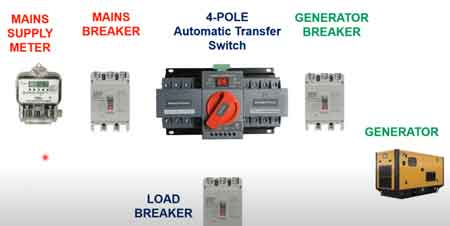
Credit: electricityforum.com
Purpose Of Transfer Switch
A transfer switchis a device that changes the power source for a building. It moves power from the main utilityto a backup generatorduring outages. This switch helps keep important appliancesand systems running without interruption.
It also protects electrical equipmentby preventing power from two sources running at once. This avoids damage and keeps everyone safe. Testing the switch ensures it will work properly when needed.
Types Of Transfer Switches
Manual transfer switchesrequire someone to switch power sources. They are simple and cost less. You must turn the switch by hand to change from main power to backup power. This type is common in small homes or places without frequent power cuts.
Automatic transfer switches (ATS)switch power sources on their own. They detect when the main power goes out and start the backup generator. The switch then moves back to the main power when it returns. These switches are common in hospitals and big buildings where power must not stop.
| Type | Operation | Use | Cost |
|---|---|---|---|
| Manual Transfer Switch | Switched by hand | Small homes, less frequent outages | Lower |
| Automatic Transfer Switch | Switches automatically | Hospitals, big buildings, critical power | Higher |
Safety Precautions
Always turn off powerbefore testing a transfer switch. This prevents electric shock.
Wear insulated glovesand safety glasses to protect yourself.
Check that all tools are dry and in good condition. Wet tools can cause accidents.
Make sure the area around the switch is dry and clearof any obstacles.
Never test the switch during stormy weatheror wet conditions.
Have a fire extinguishernearby in case of emergencies.
Inform others in the building about the test to avoid surprises.
- Use a voltage testerto confirm power is off.
- Follow the manufacturer’s instructionsexactly.
- Do not touch live wiresat any time.
Required Tools And Equipment
Testing a transfer switch requires certain tools and equipmentto ensure safety and accuracy. A multimeteris essential for measuring voltage and continuity. Use insulated screwdriversto avoid electric shocks. Having voltage testershelps confirm the power status before you start. Safety gear like glovesand eye protectionis important to protect yourself. A flashlightcan be handy for working in dark areas. Make sure to have a user manualor wiring diagram for reference. Lastly, a notebook and penhelp record readings and notes during the test.
Preparing For The Test
Check the main power sourceto ensure it is stable. Use a voltage tester or multimeter to confirm power availability. This step is essential for safe testing.
Next, verify the backup power source, like a generator or battery. Ensure it is fully charged or fueled. This guarantees the transfer switch will switch correctly during power loss.
- Identify all connected loadsto understand the demand.
- Check the total power consumption of these loads.
- Make sure the transfer switch can handle this load safely.
- Consider the power ratings marked on devices or circuit breakers.
Understanding the load helps in preventing overload and equipment damage during testing.
Step-by-step Testing Procedure
Start by turning off the main power supply to the transfer switch. This simulates a power failureand triggers the switch to activate the backup power source. Watch the switch carefully as it moves from the main power to the generator or alternate source.
Look for smooth and complete movement of the switch. It should transfer power quickly without any delays or strange noises. This shows the switch is working well.
Check the power output after the switch moves. Use a voltage meter to verify power transfer. The meter should show steady and correct voltage from the backup source. This confirms the switch supplies power correctly.
Restore the main power supply and observe the switch’s return. It should move back to the main power source smoothly. Verify the voltage again to ensure normal power is restored without issues.
Troubleshooting Common Issues
Switch failure to transferoften happens due to poor wiring or a faulty relay. Check all connections for tightness and corrosion. Test the relay coil with a multimeter to ensure it works properly. Replace damaged parts to restore function.
Delay in switchingcan cause power interruptions. This usually results from a weak battery or slow relay response. Inspect the battery voltage and replace if low. Clean the relay contacts to improve speed.
Unstable power outputmay indicate a bad transfer switch or generator problem. Measure voltage levels during transfer to spot fluctuations. Tighten loose connections and check the generator’s output for consistency.

Credit: www.youtube.com
Maintenance Tips For Transfer Switches
Testing a transfer switch keeps your power system safe and ready. Start by turning off the main power. This prevents any electric shocks during testing. Use a multimeterto check voltage on each side of the switch. This shows if the switch moves power correctly.
Next, simulate a power failure to watch the switch in action. The switch should move from main power to backup power without delay. Listen for any unusual sounds, like buzzing or clicking. These can mean the switch needs repair.
- Keep the switch area clean and free of dust.
- Check all wires and connections for wear or damage.
- Test the switch monthly to catch problems early.
- Record test results to track switch health over time.
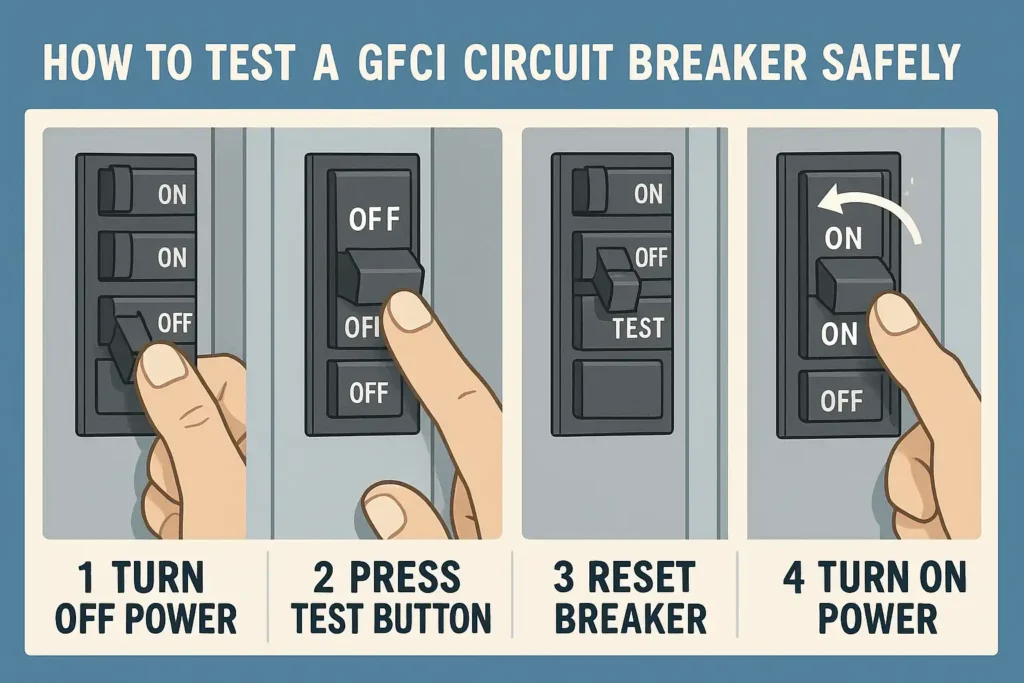
Credit: www.onesto-ep.com
Frequently Asked Questions
What Is The Purpose Of A Transfer Switch?
A transfer switch safely switches power between the main source and backup generator. It prevents electrical hazards and ensures continuous power during outages.
How Often Should I Test A Transfer Switch?
Test your transfer switch at least once every six months. Regular testing ensures reliable operation during power failures and identifies potential issues early.
What Tools Are Needed To Test Transfer Switch Operation?
Basic tools include a multimeter, insulated gloves, and a voltage tester. These help measure voltage and ensure safe handling during testing.
Can I Test A Transfer Switch Without Shutting Off Power?
No, always shut off power before testing to avoid electric shock. Safety precautions are critical when working with electrical components.
Conclusion
Testing your transfer switch keeps your power system reliable and safe. Regular checks find problems before they cause trouble. Always follow the proper steps for accurate results. Use simple tools and stay careful during the process. Good maintenance helps your switch work smoothly when needed.
Don’t skip tests; they protect your home and devices. Keep a schedule for testing and note each result. This small effort saves time and money later. Trust your power backup by testing your transfer switch today.