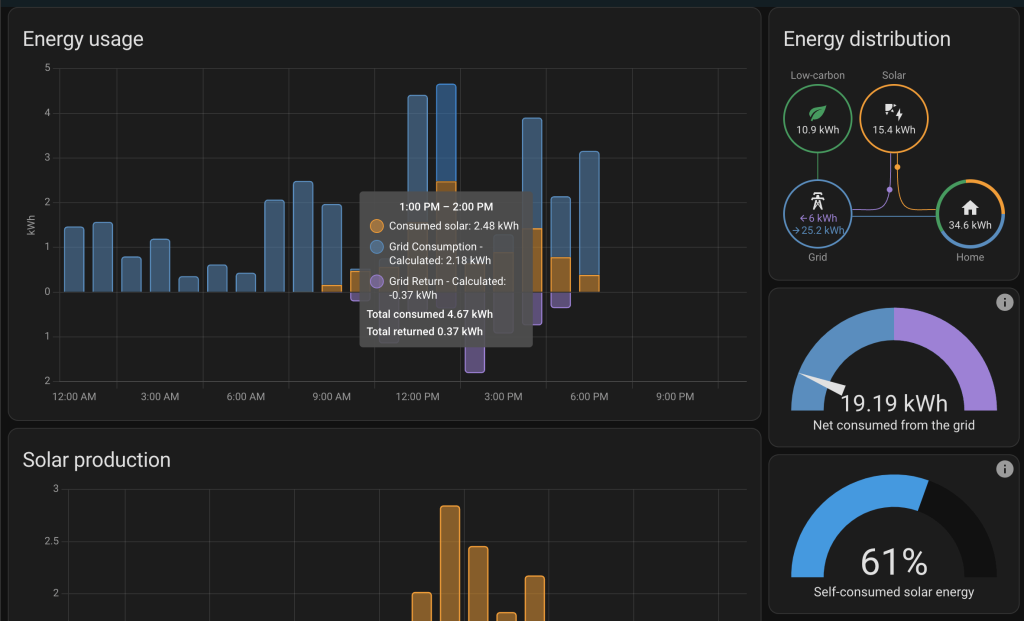
Imagine having a backup power system ready to kick in during outages, ensuring your home stays lit and your devices charged. But have you ever wondered how much energy you’re actually using when that system is running?
Understanding your energy consumption isn’t just about lowering bills; it’s about gaining control and peace of mind. By tracking your backup power usage, you can make smarter energy choices and ensure your system is working efficiently. In this guide, you’ll learn simple, effective ways to monitor your energy use, helping you optimize your backup power and perhaps even save money.
Curious to find out how? Let’s dive in and illuminate the path to smarter energy management!
Importance Of Monitoring Home Backup Power
Monitoring home backup power is very important. It helps you save energy. You can see how much power you use. This helps in reducing electricity bills. It also tells you when power is low. You can plan better for power cuts. Knowing your power usage helps keep your home safe. It prevents overload and damage.
Backup power systems need regular checks. This ensures they work well when needed. Monitoring helps find problems early. Fixing issues early saves money. It also keeps your home comfortable and safe.
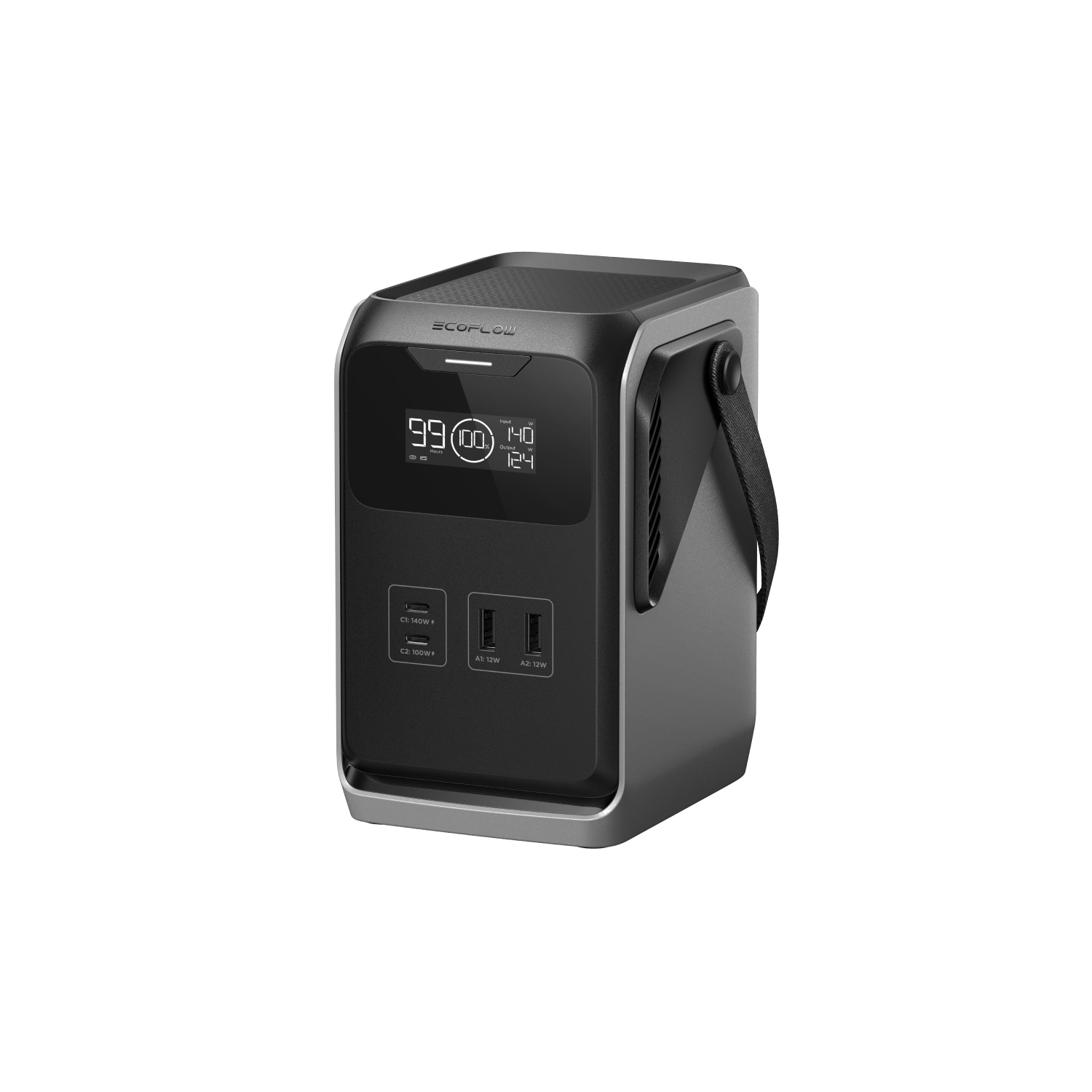
Credit: ca.ecoflow.com
Types Of Home Backup Power Systems
Generators are common backup power sources. They run on fuel, like gasoline or diesel. Portable generators are easy to move and set up. Standby generators are fixed and start automatically during power outages. These systems need regular maintenance to stay reliable.
Solar power systems use sunlight to generate electricity. They consist of solar panels, an inverter, and a battery. Solar panels collect sunlight and convert it into electricity. The inverter changes the electricity to a usable form. Batteries store the energy for later use.
Battery storage solutions keep energy for backup use. They store power from the grid or solar panels. Lithium-ion batteries are popular due to their efficiency. They provide power during outages and are easy to install. Regular checks keep them working well.
Tools For Tracking Energy Usage
Tracking energy usage from home backup power is easy with modern tools. Smart meters and apps provide real-time data, helping manage energy consumption effectively.
Smart Meters
Smart meters show how much power you use at home. They send data to your phone or computer. You can see when you use the most energy. This helps you save money. They are easy to install and use. With smart meters, you can make better choices. Knowing your usage helps you be smarter with power.
Energy Monitoring Apps
Energy monitoring apps are available on phones and tablets. They connect to smart meters and show energy use. These apps are easy to use. You can check your energy anytime, anywhere. Alerts can be set for high usage times. This helps you control energy costs. Apps also provide tips to save energy. It makes energy management simple.
Home Automation Systems
Home automation systems control lights, heating, and other devices. They help monitor and reduce energy use. You can set schedules for devices. This saves energy when you are not home. Automation systems connect with smart meters too. They provide detailed reports on energy use. Saving power becomes easier with automation.

Credit: www.fixr.com
Setting Up Energy Tracking
Begin by choosing the right device for your home. Smart plugs are a great start. They track energy for individual devices. Whole-house monitors give a bigger picture. These devices connect to your electrical panel. Always read the manual carefully. Follow the instructions for safety. Make sure the device is compatible with your system.
Download an app that works with your device. Popular apps include Sense and Emporia Energy. Open the app and create an account. Pair the device with your app using Wi-Fi or Bluetooth. Follow the on-screen steps to connect. Check that your phone and device are on the same network. Once connected, you can track energy in real-time.
Analyzing Energy Consumption Data
Energy usage can change every day. It’s important to know how much you use. Look at your energy bills. Check the numbers for each day. This helps see patterns. You might use more on weekends. Or less on weekdays. Knowing this helps save energy.
Peak times mean high energy use. Find out when these happen. It could be mornings or evenings. Write down these times. Think about what you do then. Maybe running appliances or watching TV. Avoid using many devices at once. This can help lower your energy costs.
Improving Energy Efficiency
Small changescan make a big difference. Turn off lights when leaving rooms. Unplug devices not in use. Use energy-efficient bulbs. Limit appliance use during peak hours. These habits save energy and reduce costs. Teach family members to follow these habits too.
Consider upgrading your backup system. Modern systems are more energy-efficient. They offer better performance and save money. Look for systems with energy-saving features. Check for smart technology integration. Smart systems optimize energy use. This helps track usage and adjust settings easily.
Benefits Of Efficient Energy Tracking
Efficient energy tracking helps monitor home backup power usage, leading to reduced energy costs and increased sustainability. Understanding energy patterns can enhance decision-making for better energy management and resource allocation.
Cost Savings
Tracking energy use at home saves money. You can find waste quickly. Lower bills mean more money for other things. Efficient tracking helps avoid unnecessary expenses. Smart meters provide real-time data. This data helps control energy use. Families can plan better for peak hours. Use less energy when rates are high. Simple steps lead to big savings. Even small changes make a difference.
Environmental Impact
Efficient energy tracking helps the planet. It reduces carbon footprints. Less energy use means less pollution. Cleaner air benefits everyone. Tracking encourages sustainable habits. Families learn to use energy wisely. Small actions protect the environment. Renewable energy is more effective when tracked. It supports eco-friendly living. People feel good about helping Earth. Every little effort counts.

Credit: www.instagram.com
Frequently Asked Questions
How To Monitor Electricity Usage Remotely?
Install a smart electricity meter or plug. Use a compatible app to track usage on your smartphone or computer.
How Do I Find Out What Is Using So Much Electricity In My House?
Inspect your appliances’ energy usage with a home energy monitor. Check for old or faulty devices, unplug unused electronics, and evaluate high-consumption items like HVAC systems and water heaters. Review your energy bill for patterns, and consult an electrician if needed to identify hidden energy drains.
How Can I Monitor My Home Electricity Usage?
Use a smart electricity monitor to track your home’s energy usage in real-time. Install energy-efficient appliances and regularly check your utility’s online dashboard for insights. Consider using apps that sync with your smart meter for detailed analysis and cost-saving tips.
How Do I Find Out What Is Using The Most Power In My House?
To identify the highest power usage, use an energy monitor or check the electricity bill for appliances. Focus on large devices like air conditioning, heating, and refrigerators. Inspect usage patterns and unplug unnecessary electronics. Regularly assessing energy consumption helps manage costs efficiently.
Conclusion
Tracking energy usage from your home backup power is crucial. It helps manage costs and boosts efficiency. Using smart meters or apps can make this task easier. Regular monitoring keeps you informed about power consumption. You can adjust usage and save money.
Simple tools and consistent checks ensure your backup power runs smoothly. Stay proactive in understanding your energy needs. This approach benefits both your wallet and the environment. Start tracking today and take control of your energy consumption. Make every watt count.