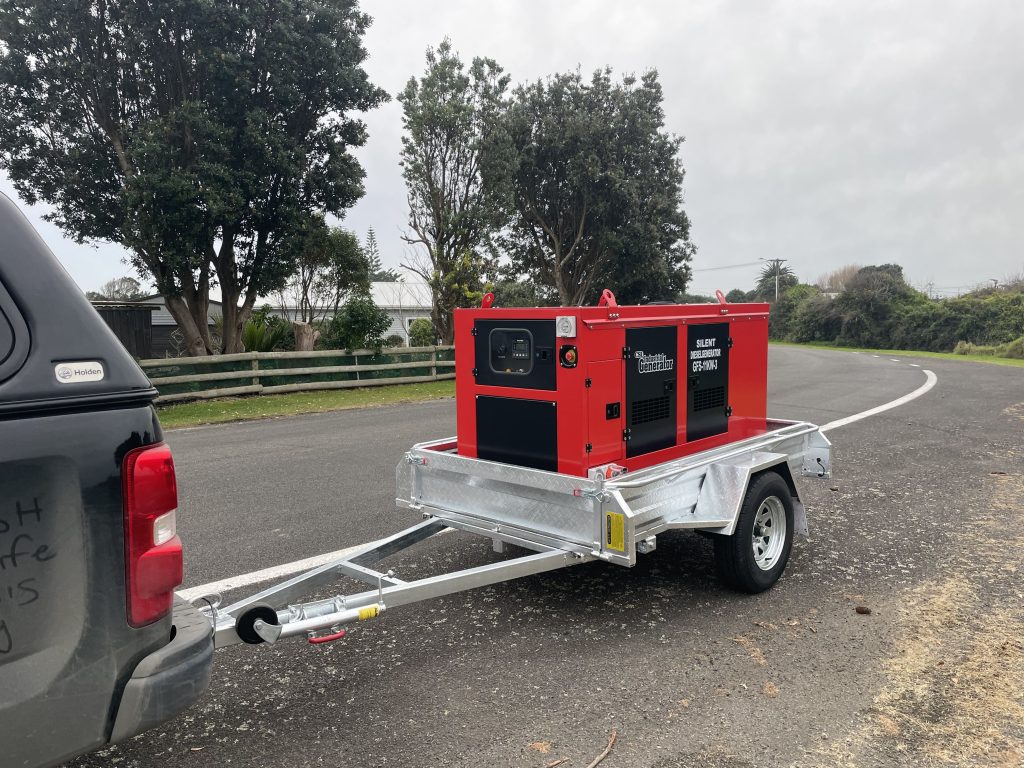
Transporting a silent diesel generator might seem straightforward, but there’s more to it than meets the eye. You want to ensure your generator arrives safely and in perfect working condition.
Imagine the hassle of discovering damage or malfunction after a move—it’s a scenario best avoided. In this guide, you’ll uncover essential tips and tricks to transport your generator without a hitch. Whether you’re moving it across town or across the country, these insights will give you peace of mind.
Ready to learn how to make this process smooth and stress-free? Keep reading to discover how you can protect your investment and avoid costly mistakes.
Preparing The Generator
Start by cleaningthe generator to remove dust and dirt. Check for any signs of damageor wear. Inspect cables, bolts, and the engine for loose or broken parts. Tighten or replace as needed.
Drain excess fueland oilto avoid spills during transport. Use proper containers for storage. Keep fuel tanks sealedand oil levels checked to prevent leaks.
Secure all loose partslike panels, covers, and accessories. Use straps or ropes to keep everything in place. This prevents damage and ensures safety during the move.
Credit: www.etwinternational.mx
Choosing The Right Transport Method
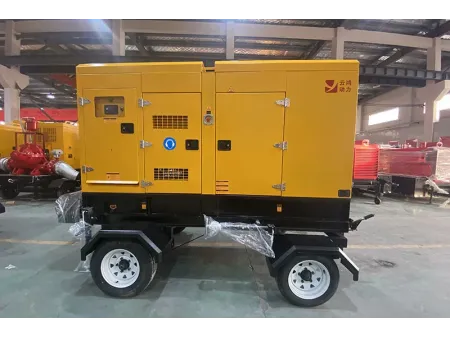
Road transportis common for moving silent diesel generators. Trucks with flatbeds or enclosed trailers offer good protection. Secure the generator with strong straps to avoid movement during travel. Choose routes with smooth roads to reduce vibrations.
Shipping by seais cost-effective for long distances. Use sturdy crates and waterproof covers to protect against moisture. Air shipping is faster but more expensive. Ideal for urgent deliveries of smaller generators.
Professional transport services provide expertise in handling heavy equipment. They use proper tools and follow safety rules strictly. Hiring experts reduces risk of damage and ensures timely delivery.
Loading And Securing Techniques
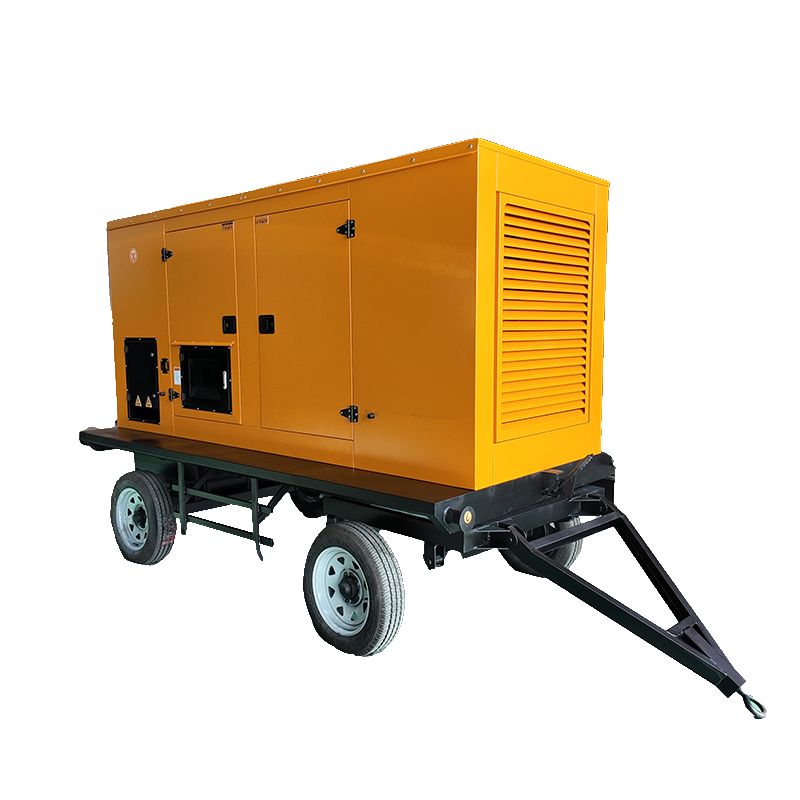
Use strong lifting equipmentlike cranes or forklifts. Make sure the gear fits the generator’s size and weight. Avoid dragging or pushing the generator to prevent damage.
Place the generator centrally on the transport vehicle. Keep it close to the vehicle’s center of gravity. This helps keep the load stable while moving.
- Use heavy-duty strapsto tie down the generator.
- Secure all sides to stop the generator from moving.
- Add paddingbetween the generator and straps to avoid scratches.
- Check the straps often during transport to keep them tight.
Credit: www.fordgenset.com
Safety Precautions During Transit
Monitor the generatorto avoid shifts and vibrations during transit. Use straps and padding to keep it stable. Check the equipment often for any movement. This prevents damage and keeps it safe.
Protect the generator from weather conditions by covering it well. Rain or dust can harm the parts. Use waterproof covers and secure them tightly. Avoid exposing the generator to extreme heat or cold.
- Keep emergency tools ready, like fire extinguishers and first aid kits.
- Have a clear plan for quick action if accidents occur.
- Train staff to handle emergencies calmly and fast.
Unloading And Installation Tips
Unload the generator gently using proper lifting tools. Keep the unit balanced to avoid tipping. Clear the area of obstacles before unloading. Always wear safety gloves and boots for protection. Place the generator on a flat, stable surface immediately after unloading.
Inspect the generator carefully after transport. Check for any visible damage like dents or cracks. Look for loose bolts or parts. Verify fuel and oil levels. Report any issues before starting installation.
Set up the generator in a well-ventilated area. Ensure it is far from walls and flammable materials. Connect grounding wires securely. Follow the manufacturer’s instructions for connections. Test the unit before full operation to confirm safety and functionality.
Maintenance Post-transport
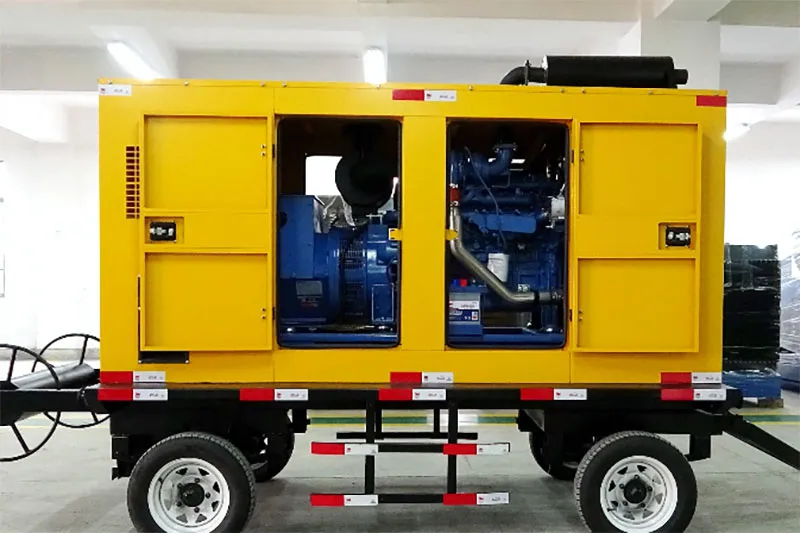
After transporting a silent diesel generator, check all fluid levels. This includes engine oil, coolant, and fuel. Low or dirty fluids can cause damageor reduce performance.
Run the generator to test performance. Listen for strange noises and watch for smoke. Make sure it starts easily and runs smoothly.
- Inspect air filters and clean or replace if needed.
- Check battery charge and connections.
- Look for leaks or loose parts.
- Schedule regular maintenance for long-term care.
Credit: www.db-dieselgenerators.com
Frequently Asked Questions
How To Prepare A Silent Diesel Generator For Transport?
To prepare, turn off the generator and let it cool. Drain fuel and oil to avoid spills. Secure all loose parts and protect the exhaust and air intakes. Use proper lifting equipment to prevent damage during transport.
What Safety Measures Ensure Safe Diesel Generator Transport?
Use secure straps and padding to prevent movement. Avoid rough terrain and sudden stops. Keep the generator upright to protect internal components. Check local regulations for hazardous material transport and follow them strictly.
Can I Transport A Silent Diesel Generator By Road?
Yes, road transport is common. Ensure the generator is well-secured and protected from weather. Use a suitable vehicle like a flatbed truck. Follow weight and size limits, and comply with transport safety rules.
Why Is Draining Fuel Necessary Before Transport?
Draining fuel prevents leaks and fire hazards during transport. It also reduces weight and avoids damage from fuel sloshing. Always handle fuel carefully and dispose of it according to environmental guidelines.
Conclusion
Transporting a silent diesel generator needs care and planning. Secure the generator tightly to avoid movement. Use proper lifting tools to prevent damage. Check fuel and oil levels before moving. Protect the generator from rain and dust. Drive slowly on rough roads for safety.
Follow these steps to keep your generator safe during transport. Safe transport means your generator works well when you need it most. Simple actions can save you time and money. Keep these tips in mind for every move.