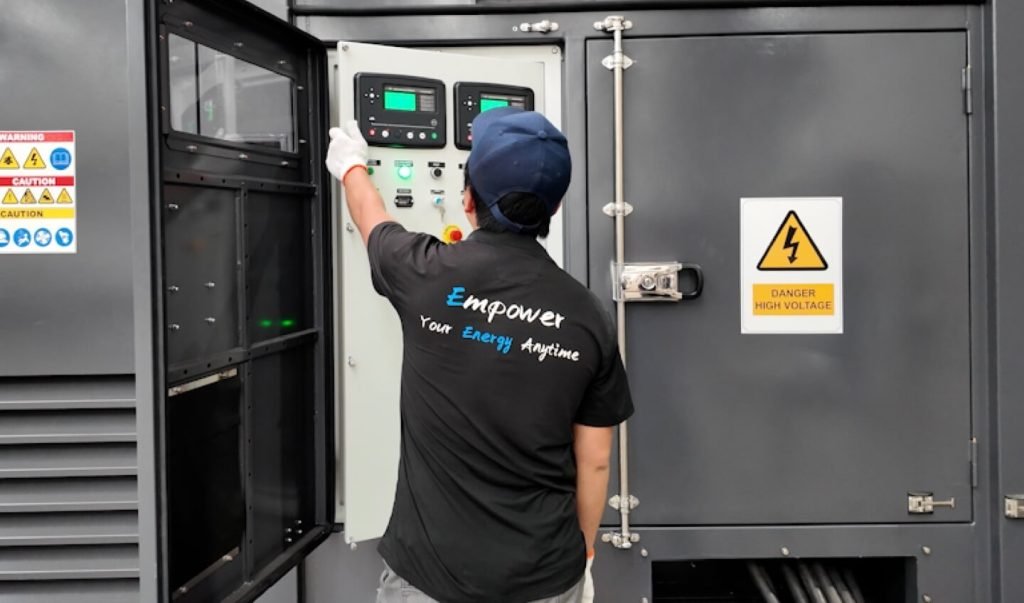
Have you ever found yourself in a situation where your generator just won’t start? It’s frustrating, isn’t it?
Especially when you’re relying on it for power during an outage or an important event. The culprit is often the generator’s battery. Troubleshooting generator battery problems can seem daunting, but it doesn’t have to be. Imagine having the confidence to identify and fix these issues yourself, saving both time and money.
In this guide, you’ll discover simple, step-by-step solutions to get your generator running smoothly again. Ready to become the problem-solving hero of your household? Let’s dive in and eliminate those battery woes for good!

Credit: www.youtube.com
Common Generator Battery Issues
Battery won’t startoften means the battery is dead or weak. Check the battery voltage with a meter. A low voltage means it needs charging or replacement. Sometimes, the starter or cables cause the problem.
Battery drains quicklyif the generator is not used often or there is a parasitic drain. Make sure the battery is fully charged before storage. Avoid leaving lights or accessories on when the generator is off.
Corroded battery terminalsblock power flow. White or green powder shows corrosion. Clean terminals with a mix of baking soda and water. Use a wire brush to remove buildup. Tighten connections after cleaning.
Tools Needed For Troubleshooting
Multimeteris essential to check battery voltage and current. It helps find if the battery is dead or weak. Use it to test the battery’s health quickly.
Wrenches and Screwdriversare needed to open battery covers and remove terminals. They help tighten or loosen connections safely and easily. Good tools prevent damage to parts.
Battery Chargeris used to recharge a low or dead battery. It restores power so the generator can start again. Make sure the charger fits your battery type.
Checking Battery Voltage
Use a multimeterto check the battery voltage. Set the multimeter to measure DC voltage. Connect the red probe to the positive terminaland the black probe to the negative terminal. Read the voltage on the multimeter screen.
Voltage levels show the battery’s health. A fully charged 12V battery should read around 12.6 volts. A reading below 12.4 voltsmeans the battery is partially discharged. Less than 12 voltsshows the battery is weak or dead. If voltage is too low, the battery may need charging or replacement.

Credit: woodstockpower.com
Cleaning Battery Terminals
Cleaning battery terminals removes dirt and corrosion that block power flow. Use a wire brush and baking soda solution for best results. This helps keep the generator battery strong and working properly.
Removing Corrosion
Corrosion on battery terminals blocks power flow. Use a mixture of baking soda and water to clean it. Apply the mixture with a brush. Scrub gently to remove white or green powder. Rinse terminals with clean water. Dry them well with a cloth. Always wear gloves and eye protection during cleaning.
Applying Protective Coating
After cleaning, apply a protective coating. This stops corrosion from coming back quickly. Use petroleum jelly or a special battery terminal protector. Spread a thin layer on the terminals. This keeps the metal safe and power flowing well.
Testing Battery Load
Load testing checks how well the battery holds powerunder pressure. Use a load testeror a multimeter with a load function. Connect the tester to the battery terminals. Apply a load that matches the battery’s rating. Hold the load for about 10-15 seconds. Watch the voltage reading closely.
A healthy battery voltage should stay above 9.6 voltsduring the test. If voltage drops below this, the battery may be weak or failing. Let the battery rest before testing again.
| Sign | What It Means |
|---|---|
| Slow engine start | Battery may not have enough charge |
| Dim lights | Insufficient power from battery |
| Corroded terminals | Poor connection reducing performance |
| Swollen battery case | Internal damage or overheating |
| Battery age over 3-5 years | Likely to fail soon |
Recharging The Battery
Using a battery charger requires care to avoid damage or injury. Always check the charger’s voltage matches your battery. Connect the positive clamp to the battery’s positive terminal and the negative clamp to the negative terminal. Ensure the charger is off before connecting clamps. Turn the charger on after connections are secure.
Safe charging practices help extend battery life and keep you safe:
- Charge in a well-ventilated area to prevent gas build-up.
- Wear gloves and eye protection to avoid acid burns.
- Keep sparks and flames away from the battery.
- Do not overcharge; monitor the battery during the process.
- Disconnect the charger once the battery is fully charged.
Replacing A Faulty Battery
Choosing the right batteryis key to keep your generator working well. Select a battery that matches the generator’s voltageand power needs. Look for a sealed, maintenance-free batteryfor easy use. Check the cold cranking amps (CCA)to ensure it can start the generator in cold weather. Buy from trusted brandsfor better reliability.
Proper installation is important to avoid battery problems. Start by turning offthe generator and disconnecting the old battery. Clean the terminals and cable ends to remove corrosion. Place the new battery securely in the tray. Connect the positive cable (+)first, then the negative cable (-). Tighten the clamps but do not over-tighten. Finally, check all connections for a snug fit before turning on the generator.
Preventive Maintenance Tips
Regularly check the battery for corrosionon terminals. Clean any dirt or rust with a wire brush. Look for cracksor leaks on the battery case. These signs can cause failureor poor performance.
Keep the battery fully chargedto avoid damage. Use a smart charger to prevent overcharging. Batteries lose power if left unusedfor long periods. Charge them every few weeks to maintain strength.
- Check battery voltage monthly.
- Clean terminals and connectors.
- Use a quality charger.
- Store battery in a cool, dry place.

Credit: medium.com
Frequently Asked Questions
How Do I Know If My Generator Battery Is Dead?
Check for slow engine cranking or no start at all. Use a multimeter to measure voltage; below 12. 4 volts usually means a weak or dead battery.
What Causes Generator Battery Problems Most Often?
Common causes include corrosion on terminals, loose connections, old age, and lack of regular charging. Extreme temperatures also reduce battery life.
How Can I Clean Generator Battery Terminals Safely?
Disconnect the battery first. Use a mixture of baking soda and water to clean corrosion. Rinse with water and dry thoroughly before reconnecting.
How Long Should A Generator Battery Last?
Typically, generator batteries last between 3 to 5 years. Regular maintenance and charging can extend battery life significantly.
Conclusion
Troubleshooting generator battery problems can save time and money. Check the battery regularly for damage or wear. Clean the terminals to ensure a good connection. Test the voltage often to catch issues early. Replace the battery if it no longer holds a charge.
Keep your generator battery in a dry, cool place. Simple steps like these keep your generator ready to use. Stay calm and follow these tips to fix battery problems quickly.