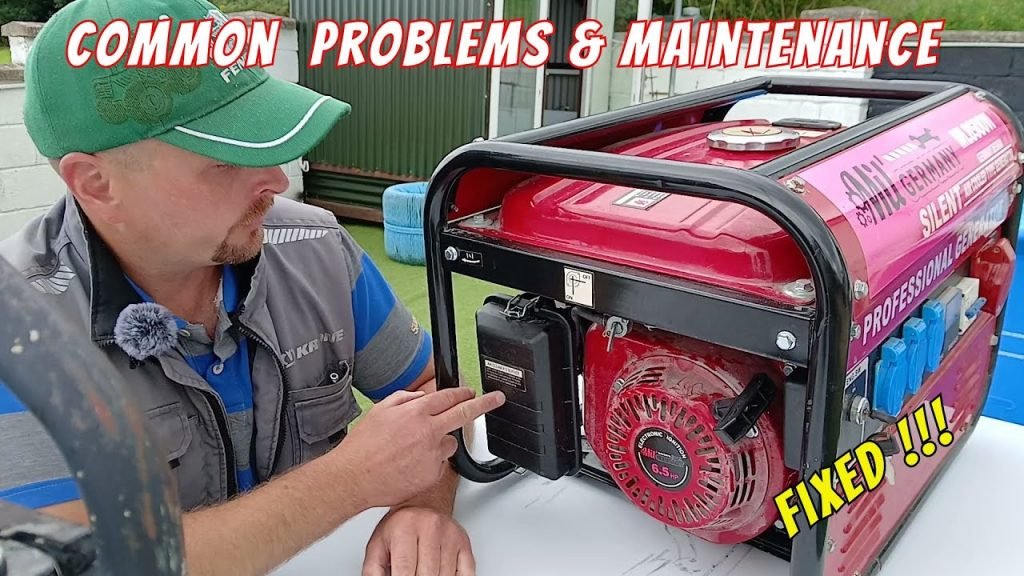
Imagine this: a sudden power outage strikes, and your trusty generator, your beacon of light in the darkness, sputters and fails. Panic sets in as you wonder what went wrong.
But don’t worry—you’re not alone. Many people face generator maintenance issues, and the good news is that most problems have straightforward solutions. You’ll discover easy steps to identify and fix common generator issues, ensuring you’re never left in the dark again.
By the end, you’ll have the confidence to tackle any maintenance challenge that comes your way. Ready to empower yourself with the knowledge to keep your generator running smoothly? Let’s dive in and illuminate the path to reliable power.
Common Generator Problems
Starting failuresoften happen due to dead batteries or bad spark plugs. Check the battery charge and connections first. Dirty spark plugs can stop the engine from starting.
Unusual noiseslike knocking or grinding may mean loose parts or low oil levels. Tighten bolts and check the oil to keep the generator running smoothly.
Fuel system issuesinclude clogged filters or old fuel. Clean or replace filters regularly. Use fresh fuel to avoid blockages and poor performance.
Battery malfunctionscause failure in power supply. Inspect battery terminals for corrosion. Replace batteries if they cannot hold charge.

Credit: www.youtube.com
Routine Inspection Tips
Check oil levelsregularly to keep the generator running smoothly. Use a dipstick to see if the oil is between the minimum and maximum marks. Low oil can cause serious engine damage.
Inspect air filtersfor dirt or blockage. A dirty filter reduces airflow and lowers generator efficiency. Clean or replace filters as needed to keep air flowing freely.
Examine spark plugsfor wear or buildup. Worn plugs can cause hard starting or rough running. Replace spark plugs that look damaged or dirty.
Monitor coolant levelsto prevent overheating. Coolant should be topped up to the correct level. Always check for leaks or signs of corrosion in the cooling system.
Fuel System Troubleshooting
Detecting fuel leaksis vital for safe generator use. Check all fuel lines and connections for wet spots or strong fuel smells. Look under the generatorand near the fuel tank. Small leaks can cause big problems.
Cleaning fuel lineshelps keep fuel flowing smoothly. Dirt and debris block fuel flow and cause engine trouble. Use a soft brush or compressed air to clear lines. Avoid harsh chemicals that can damage parts.
Replacing fuel filterskeeps the fuel clean. Dirty filters reduce engine power and cause hard starts. Change filters as the manual says, or more often in dusty places. Use the right filter for your generator model.
Battery Maintenance Steps
Testing battery chargeensures your generator starts reliably. Use a voltmeter to check the battery voltage. A fully charged battery reads around 12.6 volts. If below 12 volts, recharge or replace it. Test the battery under load to see if it holds charge well.
Cleaning battery terminalsremoves corrosion and improves connection. Disconnect the battery cables first. Use a mixture of baking soda and water to scrub terminals gently. Rinse with clean water and dry completely. Apply a thin layer of petroleum jelly to stop future corrosion.
Replacing old batterieshelps avoid startup problems. Check the battery age; most last 3-5 years. Choose a battery that matches your generator’s specs. Dispose of old batteries safely at a recycling center. Install the new battery carefully, ensuring correct cable connections.
Electrical System Checks
Check all wiring connectionsfor tightness and damage. Loose wires can cause power lossor short circuits. Look for corrosionor burnt marks. Clean or replace damaged wires immediately.
Test circuit breakersto ensure they tripproperly. Use a multimeterto check for continuity. Replace any breaker that failsto reset or trips without cause.
Control panels must be free of dust and moisture. Check all indicator lightsand switches. Listen for unusual soundsor clickswhen operating. Faulty panels may need professional repair.

Credit: ethosenergy.com
Cooling System Care
Flushing radiators removes dirt and old coolant from the system. This keeps the engine cool and prevents overheating. Use clean water or a special flush solution. Run the generator for a short time, then drain the radiator completely. Repeat if needed until water runs clear.
Replacing coolant ensures the system works well. Use the correct coolant type for your generator. Mix it with water if needed. Pour coolant slowly to avoid air pockets. Check the coolant level regularly and top off as required.
Checking fan operation is important for proper cooling. The fan moves air through the radiator to cool the engine. Make sure the fan spins freely without noise. Inspect fan blades for cracks or damage. Replace the fan or motor if it does not work properly.
Preventive Maintenance Schedule
Weekly tasksinclude checking the oil level and coolant. Inspect the battery terminals for corrosion. Clean the generator exterior and check for leaks. Run the generator for a few minutes to ensure it starts easily.
Monthly checksinvolve testing the automatic transfer switch. Check fuel levels and refill if needed. Inspect belts and hoses for wear or cracks. Verify the air filter is clean and replace if dirty.
| Annual Servicing | Details |
|---|---|
| Oil and Filter Change | Replace oil and oil filter to keep engine running smoothly. |
| Fuel System Inspection | Clean fuel tank, replace fuel filters, and check fuel lines. |
| Coolant System Service | Flush and replace coolant to prevent overheating issues. |
| Electrical System Check | Inspect wiring, test battery, and ensure all connections are tight. |
When To Call A Professional
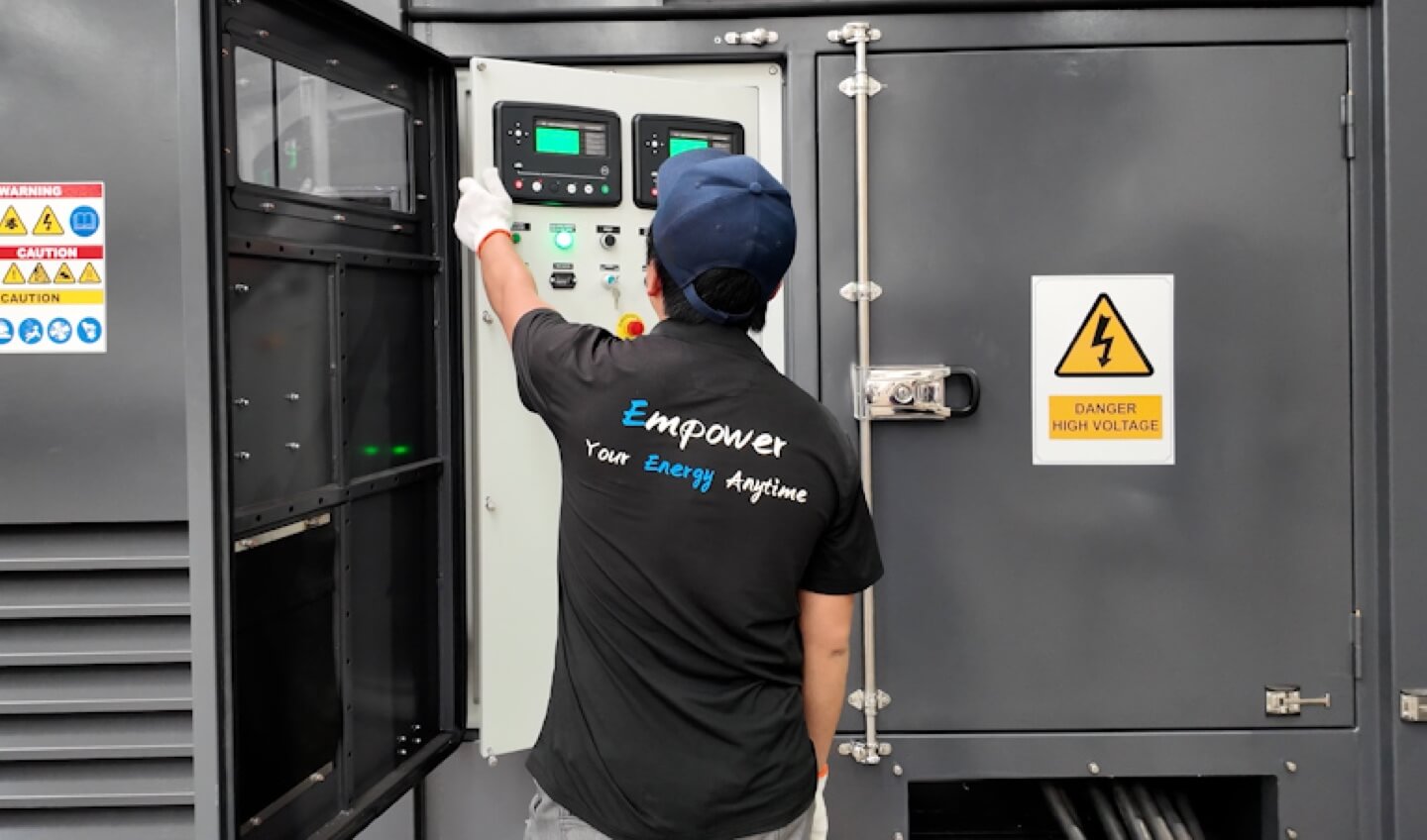
Complex electrical problemscan be dangerous and hard to fix. Faulty wiring or sparks need expert help. A professional has the tools and knowledge to handle these issues safely.
Major mechanical failureslike engine breakdowns or fuel system damage require special skills. Attempting repairs without experience can cause more harm. Trained technicians can diagnose and repair these problems properly.
Safety concernssuch as unusual smells, smoke, or loud noises should never be ignored. These signs mean the generator might be unsafe to use. Calling a professional ensures the problem is fixed without risking injury or damage.
Credit: powerlinkenergy.com
Frequently Asked Questions
How Often Should I Perform Generator Maintenance?
Regular generator maintenance should be done at least every six months. This includes checking oil, filters, and battery health. Frequent inspections help prevent unexpected breakdowns and extend generator lifespan. Always follow the manufacturer’s maintenance schedule for best results.
What Are Common Signs Of Generator Problems?
Common signs include unusual noises, difficulty starting, irregular power output, and oil leaks. These symptoms often indicate underlying issues. Early detection through regular checks helps avoid costly repairs and downtime. Address problems promptly to keep your generator reliable.
How Do I Troubleshoot Generator Starting Issues?
First, check the fuel level and battery charge. Inspect spark plugs and air filters for dirt or damage. Ensure all connections are secure. If problems persist, consult the user manual or a professional technician for detailed diagnosis and repair.
Can I Perform Generator Maintenance Myself?
Basic maintenance like checking oil, filters, and battery can be done by owners. However, complex repairs require professional service to ensure safety and proper function. Always follow safety guidelines and manufacturer instructions when performing any maintenance.
Conclusion
Regular generator maintenance keeps it running smoothly and safely. Catch small problems early to avoid big repairs later. Follow simple steps to check fuel, oil, and filters often. Clean parts and tighten connections for better performance. Keep a log of your work to track issues.
Stay calm and patient during troubleshooting. A well-kept generator lasts longer and works better when needed most. Small efforts now save time and money later. Your generator will thank you with reliable power.