
When your generator’s voltage sensor starts acting up, it can be frustrating and disruptive. You rely on your generator to power essential appliances and devices, and the last thing you want is for it to malfunction.
But don’t worry—troubleshooting a generator voltage sensor is easier than you might think. In this guide, you’ll discover simple and effective steps to diagnose and resolve voltage sensor issues with confidence. Imagine the peace of mind you’ll have once your generator is running smoothly again.
Whether you’re a novice or a seasoned DIY enthusiast, this article is crafted to empower you with the knowledge you need. So, let’s dive in and get your generator back to optimal performance!

Credit: www.youtube.com
Common Voltage Sensor Issues
Voltage sensor failurecan cause many problems in a generator. Common signs include inaccurate voltage readings, sudden power drops, and fluctuating output. These symptoms may lead to equipment damageor power interruptions.
Voltage fluctuations often happen due to loose connections, corroded sensors, or worn-out parts. Another cause is electrical interferencefrom nearby devices. Sometimes, overheatingor moistureinside the sensor can also create issues.
| Cause | Effect |
|---|---|
| Loose connections | Unstable voltage readings |
| Corroded sensors | False sensor data |
| Electrical interference | Voltage spikes or drops |
| Overheating | Sensor damage |
| Moisture inside sensor | Short circuits or errors |
Tools Needed For Troubleshooting
Testing a generator voltage sensor requires specific toolsfor accurate results. A multimeteris essential to measure voltage and resistance. A voltage testerhelps confirm if power flows properly. A clamp metermeasures current without disconnecting wires. Using a oscilloscopecan show detailed voltage waveforms for deeper checks.
Safety is very important. Wear insulated glovesto avoid shocks. Use safety glassesto protect your eyes from sparks or debris. Make sure the generator is off before starting work. Keep a fire extinguishernearby in case of emergencies. Work in a dry area to reduce electric shock risks.
Step-by-step Troubleshooting Process
Start with a visual checkof the voltage sensor. Look for any cracks, corrosion, or loose wires. Make sure the sensor is clean and dry.
Check that all sensor connectionsare tight and secure. Look for broken or damaged wires. A loose wire can cause incorrect readings.
Use a multimeter to measure the voltage output. Compare the reading with the sensor’s specifications. Voltage should be steady and within the expected range.
Check if the sensor needs calibration. Use the manufacturer’s instructions to adjust the sensorif readings are off. Proper calibration ensures accurate voltage measurement.

Credit: www.youtube.com
Quick Fixes For Common Problems
Resetting the sensorcan fix many voltage reading problems. Turn off the generator and wait a few minutes. Then turn it back on to let the sensor reset. This simple step can clear errors and restore proper function quickly.
Cleaning and tightening connectionshelps maintain good contact. Dirt or loose wires cause bad voltage readings. Use a clean cloth to wipe sensor terminals. Check all wires and screws to make sure they are tight. This prevents false signals and keeps the sensor working well.
Replacing damaged componentsis necessary if the sensor parts break or wear out. Look for cracks, burns, or corrosion on the sensor and wires. Replace any damaged parts with new ones made for your generator model. This step ensures accurate voltage sensing and safe operation.
Preventive Maintenance Tips
Set up a regular inspection scheduleto check sensor health. Frequent checks can catch issues early. Look for loose wires, dirt, or corrosion on the voltage sensor. Clean the sensor gently with a dry cloth to keep it free from dust.
Protect sensors from environmental damageby placing them away from moisture and extreme heat. Use covers or enclosures to shield sensors from rain, dust, and physical impact. This helps sensors last longer and work better.
| Upgrade Sensor Technology | Benefits |
|---|---|
| Switch to digital sensors | More accurate readings and less noise |
| Use sensors with built-in diagnostics | Easy fault detection and faster repair |
| Choose sensors with better sealing | Improved protection from dust and water |
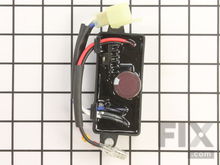
Credit: www.fix.com
When To Seek Professional Help
Complex sensor failures need expert help. Some problems are hard to fix alone. Faulty wiring, damaged parts, or sensor calibration issues can cause voltage errors. These need special tools and skills to diagnose and repair safely.
Checking warranty and support options is smart. Many generators come with warranties covering sensor repairs or replacements. Contact the manufacturer or dealer for help. They often offer support services or authorized repair centers to ensure proper fixes.
| Issue | Recommended Action |
|---|---|
| Unresponsive voltage sensor | Seek professional diagnosis and repair |
| Physical sensor damage | Use warranty or authorized repair service |
| Frequent sensor errors | Check support options for replacement |
Frequently Asked Questions
What Causes Generator Voltage Sensor Failure?
Generator voltage sensors often fail due to wiring issues, sensor damage, or electrical interference. Regular inspection prevents these problems and ensures accurate voltage readings.
How Do I Test A Generator Voltage Sensor?
Use a multimeter to measure sensor output voltage while the generator runs. Compare readings with manufacturer specifications to verify sensor accuracy and functionality.
Can A Faulty Voltage Sensor Damage My Generator?
Yes, a malfunctioning voltage sensor can cause incorrect voltage regulation, leading to generator damage or inefficient performance. Prompt troubleshooting is crucial to avoid harm.
How Often Should I Inspect The Voltage Sensor?
Inspect the generator voltage sensor at least once every six months or during routine generator maintenance to ensure reliable operation.
Conclusion
Troubleshooting a generator voltage sensor can save time and money. Check connections and sensor condition first. Use a multimeter to test voltage readings carefully. Replace faulty parts to keep your generator working well. Regular checks help avoid sudden failures. Stay calm and follow these simple steps.
Your generator will run smoothly again. Keep safety in mind during every step. This guide makes sensor troubleshooting easier for everyone.