
Imagine a stormy night, and suddenly, the power goes out. Darkness envelops your home, and the silence is overwhelming.
But wait, you’re prepared! You have a standby generator ready to bring back the light and keep your home running smoothly. But do you know how to turn it on? If not, don’t worry—you’re not alone. Many people have standby generators, yet lack the confidence to operate them when needed most.
In this guide, you’ll learn the simple steps to activate your standby generator and ensure you’re never left in the dark again. Get ready to transform uncertainty into empowerment and take control of your home’s power supply. Let’s dive in and make sure you’re prepared for any outage that comes your way.
Safety Precautions
Check the fuel supplyfirst. Make sure there is enough fuel for the generator to run. Use the type of fuel recommended by the manufacturer. Avoid using old or contaminated fuel.
Inspect the generator area. Clear away any debris, leaves, or objects near the generator. This keeps the area safe and prevents fire hazards. Also, look for any damage or leaks on the generator itself.
Ensure proper ventilationaround the generator. The engine produces dangerous gases that need to escape. Never run the generator indoors or in a closed space. Place it in an open, well-ventilated area to avoid carbon monoxide buildup.

Credit: www.angi.com
Prepare The Generator
Check the oil levelusing the dipstick. Add oil if low. Also, check the coolant levelin the radiator or reservoir. Make sure it is full to avoid overheating. Use the right type of oil and coolant as per the manual.
Connect the generator to your home’s electrical panelcarefully. Turn off the main power switch before connecting. Use a transfer switch for safety to prevent back-feed to the grid.
Locate the generator’s control panel. Set the switch to Automode. This setting allows the generator to start automatically during a power outage. Confirm all connections are secure before leaving it on Auto.
Starting The Generator Manually
Open the fuel valveto allow fuel flow to the engine. This step is crucial for starting.
Use the engine switchto start the generator. Turn it on gently until the engine runs.
Watch the generator closely for any unusual noisesor smoke. Proper operation means smooth running without strange sounds.
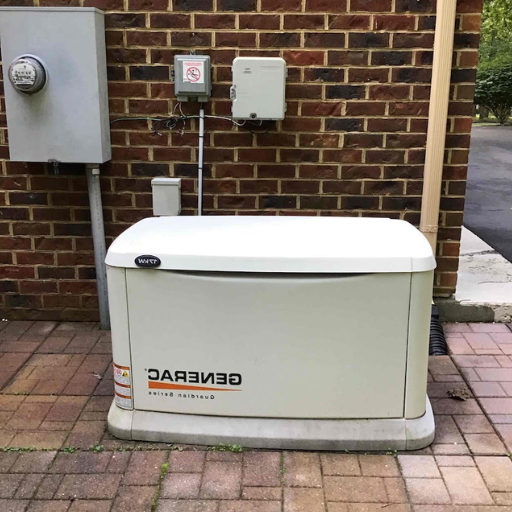
Credit: shgeneratorset.com
Automatic Startup Process
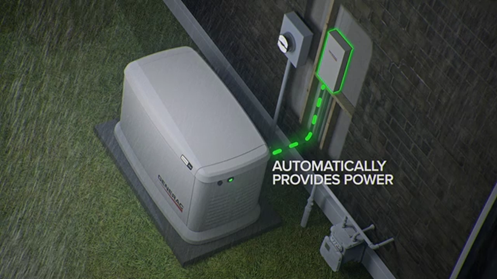
Power outage detectionstarts the process. The generator senses a loss of electricity from the main grid. This signal triggers the generator to prepare for startup.
The engine ignition sequencebegins next. The generator’s engine starts running automatically. It builds up power quickly to supply electricity.
Once the engine is running smoothly, the system moves to transfer power to home. A transfer switch disconnects the home from the grid. It connects the home to the generator instead. This switch ensures power flows safely and without interruption.
Post-startup Checks
Listen carefully for any unusual noisesfrom the generator. Sounds like knocking, rattling, or whining may show a problem. Quiet and steady noise is normal.
Check the generator outputto make sure it matches your power needs. Use a multimeter or the control panel to see voltage and frequency. Correct output means the generator runs well.
Look closely for any leaks or smokenear the generator. Oil or fuel leaks can be dangerous. Smoke may mean overheating or engine trouble. Stop the generator if you find these issues.
Shutting Down The Generator
Switch the power source back to the utility grid. This stops the generator from running. Make sure the power switch is firmly set to utility power.
Turn off the generator engine carefully. Use the control panel or switch to stop the engine. Wait until the engine fully stops before moving on.
Close the fuel valve to stop fuel flow. This helps prevent leaks and keeps the generator safe. Confirm the valve is completely closed before finishing.
Maintenance Tips
Changing the oil often keeps the generator running smoothly. Use the right oil type and check the level regularly. Clean oil helps the engine last longer.
Check the battery for any signs of wear or corrosion. Keep the terminals clean and tight. A good battery ensures the generator starts quickly.
Fuel systems can get clogged with dirt or old fuel. Clean the fuel filter and lines to avoid blockages. Use fresh fuel to keep the engine running well.
Credit: www.generac.com
Frequently Asked Questions
How Do I Start A Standby Generator Safely?
To start a standby generator safely, first ensure the main power is off. Then switch the generator’s control panel to “Auto” or “Manual” mode. Follow the manufacturer’s instructions carefully. Always check fuel levels and ensure proper ventilation before starting the generator.
When Should I Turn On My Standby Generator?
Turn on your standby generator during power outages or planned maintenance. It should activate automatically if set to “Auto” mode. Manual start is needed if automatic fails or for testing. Regular testing ensures reliability when power loss occurs.
Can I Operate A Standby Generator Indoors?
No, you should never operate a standby generator indoors. Generators produce deadly carbon monoxide gas. Always place the generator outside, away from windows, doors, and vents. Proper ventilation is crucial to avoid health risks and ensure safety.
How Often Should I Test My Standby Generator?
Test your standby generator monthly or as recommended by the manufacturer. Regular tests keep the generator in good working condition. It ensures it starts reliably during outages and helps identify maintenance needs early.
Conclusion
Turning on a standby generator is simple with the right steps. Always check fuel and oil levels before starting. Use the control panel to power it on safely. Keep your generator maintained to avoid problems later. This ensures your home stays powered during outages.
Remember, safety comes first when handling any generator. Practice these steps to feel confident and ready. A working standby generator brings peace during power loss. Stay prepared and protect your home easily.