
Imagine you’re stuck in a parking lot, late at night, with a car that refuses to start. Frustrating, right?
This is where a jump starter can be your best friend, turning your daunting situation into a quick fix. But using it correctly is crucial, not just for your car’s health but for your safety too. You might wonder, “How can I use a jump starter without damaging my vehicle or risking injury?
” You’re not alone. Many drivers hesitate or feel unsure about handling this handy tool. You’ll discover simple, step-by-step instructions to safely use a jump starter and get your car back on the road with confidence. Stay with us and unlock the peace of mind you deserve every time your car battery decides to take an unexpected break.
Choosing The Right Jump Starter
Ensure safety by connecting the jump starter correctly to avoid sparks. Keep the device on a stable surface. Follow the instructions on the jump starter for a smooth operation.
Jump starters come in two types: portable and plug-in. Portable ones are easy to carry. They have a battery inside. Plug-in types need an electric source. Portable jump starters are great for emergencies. They fit in your car easily. Plug-in types are better for garages. Each type has its own use. A jump starter’s battery capacity is important. It is measured in amp-hours (Ah). Higher Ah means more power. For small cars, 400-600 Ah is enough. Bigger vehicles need 1000 Ah or more. Always check your car’s needs. Choose a jump starter that matches. Safety is key when using jump starters. Look for reverse polarity protection. It prevents damage from wrong connections. Overload protection stops too much power flow. This keeps you and your car safe. Some jump starters have built-in flashlights. These are useful in dark places. Always pick a jump starter with good safety features. `
Credit: www.youtube.com
Preparing For Jump Starting
Ensure the jump starter is fully charged and compatible with your vehicle. Connect the clamps to the correct battery terminals. Always follow the manufacturer’s instructions to avoid accidents.
Checking The Battery
Always check if the battery is swollen or leaking. A swollen battery can be dangerous. Look for any signs of corrosion on the terminals. Clean them gently if needed. Make sure the battery is not damaged.
Ensuring Proper Connections
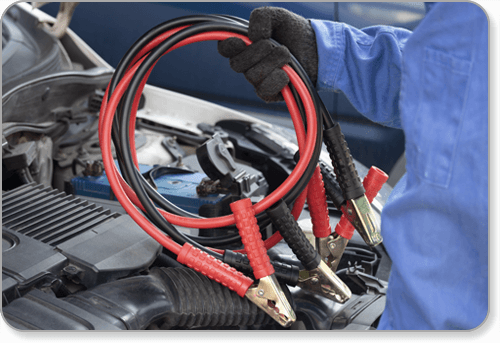
Use jumper cables with red and black clamps. Connect the red clamp to the positive terminal. Attach the black clamp to a metal part of the car. Ensure the connections are tight and secure. Never let the clamps touch each other.
Understanding Voltage Requirements
Check the voltage of your jump starter. Most cars use a 12-volt battery. Make sure your jump starter matches the car’s voltage. Using the wrong voltage can harm the battery.
Step-by-step Jump Starting Process
Park both cars close, but don’t let them touch. This keeps things safe. Ensure both car ignitions are off before starting. Open the hoods of both cars. Make sure the jumper cables can reach both batteries.
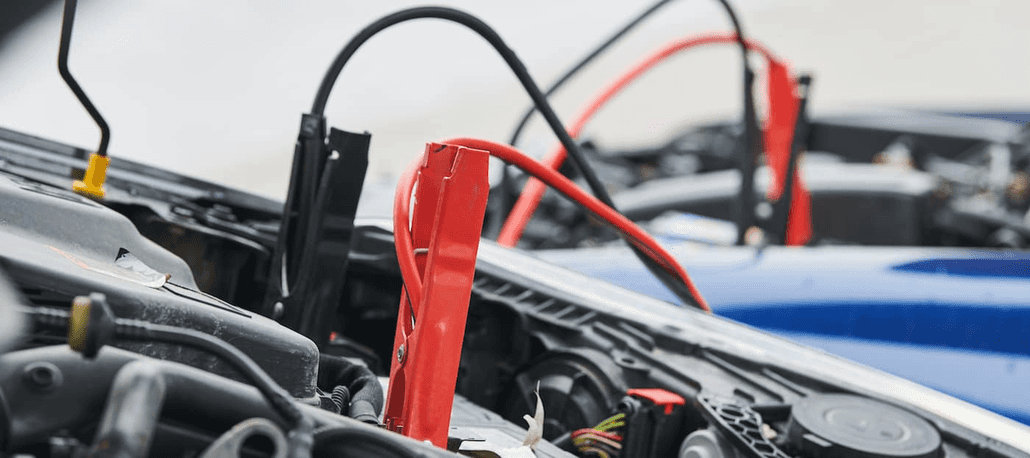
- Attach the red cable to the positive (+) terminal of the dead battery.
- Connect the other end of the red cable to the positive terminal of the good battery.
- Now, attach the black cable to the negative (-) terminal of the good battery.
- Connect the other end of the black cable to an unpainted metal surface on the dead car.
Start the car with the good battery first. Let it run for a few minutes. Now, try starting the car with the dead battery. Once it starts, disconnect the cables in reverse order. Ensure everything is done carefully and safely.
Safety Precautions
Always keep the jump starteraway from metal objects. Ensure the engineis off before connecting cables. Attach the red clamp to the positive battery terminal. Connect the black clamp to a metal surface on the car. This helps prevent sparksand short circuits. Double-check connections before turning on the jump starter.
Check the battery for any damageor leaks. Do not use a jump starter on a damaged battery. Damaged batteries can be dangerousand cause accidents. Replace damaged batteries before using a jump starter. Never touch any leaking battery acid.
- Wear glovesto protect your hands.
- Use gogglesto shield your eyes.
- Avoid loose clothing near the engine.
- Keep hair tied back to avoid accidents.
Maintaining Your Jump Starter
Regularly check your jump starter’s battery level to ensure it’s ready for emergencies. Keep the device clean and store it in a cool, dry place. Always follow the manufacturer’s instructions for safe and effective use.
Regular Charging
Charge your jump starter often. A fully charged jump starter works best. Never let it sit without power. Keep it ready for emergencies. Avoid overcharging to prevent damage.
Storage Tips
Store your jump starter in a cool, dry place. Avoid hot areas like car trunks. Heat can damage the battery. Keep it away from moisture. Water can cause rust and failure.
Inspecting For Wear And Tear
Check for cracks and broken parts. Worn cables can be dangerous. Look for loose connections. Ensure all parts are secure. Replace any damaged parts quickly.
Credit: www.autobatteries.com
Common Mistakes To Avoid
Using a jump starter incorrectly can lead to accidents or damage. Ensure the device is off before connecting it. Always connect the positive cable first and avoid touching metal parts during the process.
Incorrect Cable Connections
Connecting cables wrongly can be dangerous. Red clamp goes on the battery’s positive terminal. Black clamp should be on a metal part of the car. Avoid touching the clamps together.
Ignoring Manufacturer Instructions
Always read the instructions that come with the jump starter. They have important safety tips. Follow the steps in the manual carefully. This can prevent accidents and damage.
Using On Non-compatible Vehicles
Not all jump starters fit every vehicle. Check if the jump starter is right for your car. Using the wrong one can damage the car and the jump starter. Always match the jump starter with your car’s battery size.
Troubleshooting Issues
Using a jump starter safely involves connecting cables correctly and following instructions. Ensure clamps are attached to the right battery terminals. Always keep the jump starter away from moving engine parts for safety.
Starter Not Working
Check the connections. Make sure cables are tight. Loose cables stop the starter. Inspect the battery. It might be dead. Replace if needed. Look at the power button. Is it on? Turn it on to start.
Battery Not Charging
Examine the charger. Is it plugged in? Plug it into a working outlet. Review the charging ports. Are they clean? Dirt can block charging. Clean ports gently. Look at the battery. Is it old? Old batteries don’t charge well. Replace if necessary.
Engine Fails To Start
Check fuel levels. No fuel, no start. Add fuel if needed. Inspect the ignition. Is it working? Faulty ignition stops engines. Fix or replace it. Look at the starter. Is it strong enough? Weak starters can’t turn engines. Consider a new starter.
Credit: www.dicksmithinfiniti.com
Frequently Asked Questions
How To Properly Use A Jump Starter?
To use a jump starter, connect the red clamp to the positive terminal. Attach the black clamp to a metal ground. Turn on the jump starter. Start your vehicle. Remove the clamps in reverse order. Ensure proper storage of the jump starter.
Will A Portable Jump Starter Start A Completely Dead Battery?
A portable jump starter can start a completely dead battery if it has enough power capacity. Ensure the jump starter is fully charged and properly connected to the battery terminals. Check the specifications to confirm it can handle your vehicle’s battery size for optimal performance.
What Not To Do When Jump-starting A Car?
Avoid connecting cables incorrectly. Never jump-start a frozen battery. Do not let cables touch each other. Ensure both cars are off before connecting cables. Don’t skip reading the car manual for guidance.
Can You Leave A Jump Starter Plugged In All The Time?
Leaving a jump starter plugged in constantly isn’t recommended. It can overcharge and damage the device. Always follow the manufacturer’s instructions for safe usage. Disconnect once fully charged to maintain battery health. Regularly check and maintain the jump starter for optimal performance and longevity.
Conclusion
Using a jump starter safely is essential for every driver. Always check the instructions before you begin. Ensure connections are secure and in the correct order. This prevents sparks and accidents. Keep your surroundings clear and safe. Never touch metal parts together.
Safety gear like gloves can help. Recharge your jump starter after use. This guarantees it’s ready next time. Share these tips with friends and family. Safe practices save time and money. Stay prepared and confident on the road.