Imagine this: the power goes out during a stormy night, and everything in your home comes to a halt. No lights, no TV, and your fridge slowly warming up.
But what if you could ensure your home stays powered, no matter what? That’s where knowing how to use a regular generator as a standby generator comes in. You might think using a regular generator sounds complicated or risky. But in reality, it can be a straightforward way to keep your home running smoothly during power outages.
By the end of this guide, you’ll understand how to seamlessly transform your regular generator into a reliable backup power source. This knowledge not only equips you with practical skills but also provides peace of mind, ensuring you’re never left in the dark again. Ready to learn how to turn potential chaos into calm? Let’s dive in and explore how you can master this essential skill.
Types Of Generators
A regular generatoris a portable machine used for power during outages. It needs to be started manually and connected to devices. It is less expensive and good for short-term power needs.
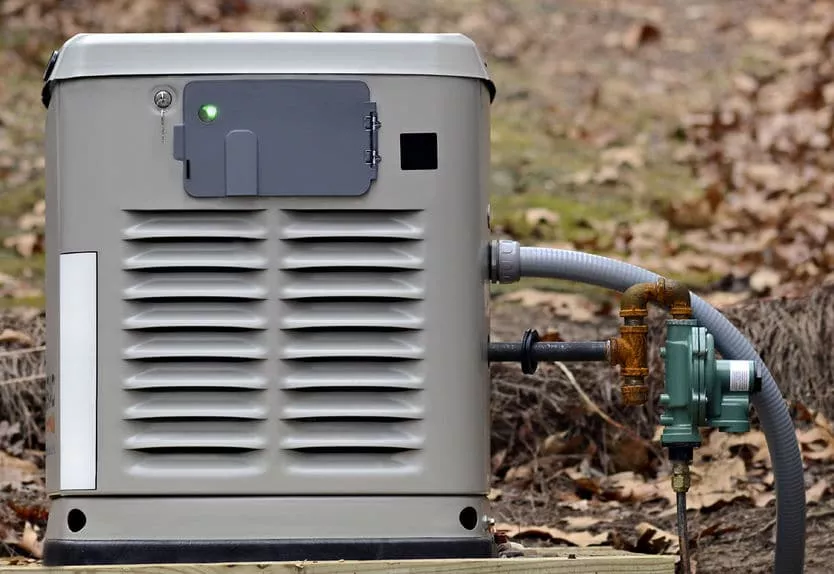
Standby generatorsare fixed systems that start automatically. They connect directly to your home’s electrical system. These generators turn on when power goes out and turn off when power returns. They offer continuous power without user action.
| Type | Power Start | Installation | Use | Cost |
|---|---|---|---|---|
| Regular Generator | Manual | Portable | Short-term, portable power | Low |
| Standby Generator | Automatic | Permanent | Long-term, whole home power | High |
Key Differences
Power outputof a regular generator is usually less stable than a standby generator. Standby generators provide consistent powerduring outages. Regular generators may fluctuate and need manual control. Standby units can power a whole house automatically.
Operation modesdiffer greatly. Regular generators must be started by hand and turned off manually. Standby generators start and stop automaticallywhen power goes out or returns. This makes standby generators more convenientfor backup power.
| Installation Requirements | Regular Generator | Standby Generator |
|---|---|---|
| Connection | Manual, often requires extension cords | Directly wired to home’s electrical system |
| Placement | Portable, can be moved | Fixed outside home |
| Fuel Supply | Refilled manually | Connected to permanent fuel source |
Preparing A Regular Generator For Standby Use
Assess the total power needsof your home or business. List all devices that require electricity during an outage. Check the wattageof each device to understand the load.
Choose components that fit your generator’s size and type. Use transfer switchesto safely connect the generator to your electrical panel. Pick cables and connectorsrated for your generator’s output.
- Keep the generator in a well-ventilated area to avoid carbon monoxide buildup.
- Never operate the generator indoors or in enclosed spaces.
- Use proper grounding to prevent electrical shock.
- Turn off the main power before connecting the generator.

Credit: www.generac.com
Installation Steps
Choose a dry, well-ventilatedplace for the generator. Avoid spots near windows or doors to stop fumes entering the home. The ground must be flat and stableto hold the generator safely.
Use correct wires and connectors rated for the generator’s power. Connect the generator to the transfer switchto switch power safely. Make sure all connections are tight and secureto avoid sparks.
Set up a steady fuel supply. Use a safe containeror a direct line from a fuel tank. Check the fuel lines for leaksor damage before use. Keep fuel away from heat or flames.
Automatic Transfer Switch Integration
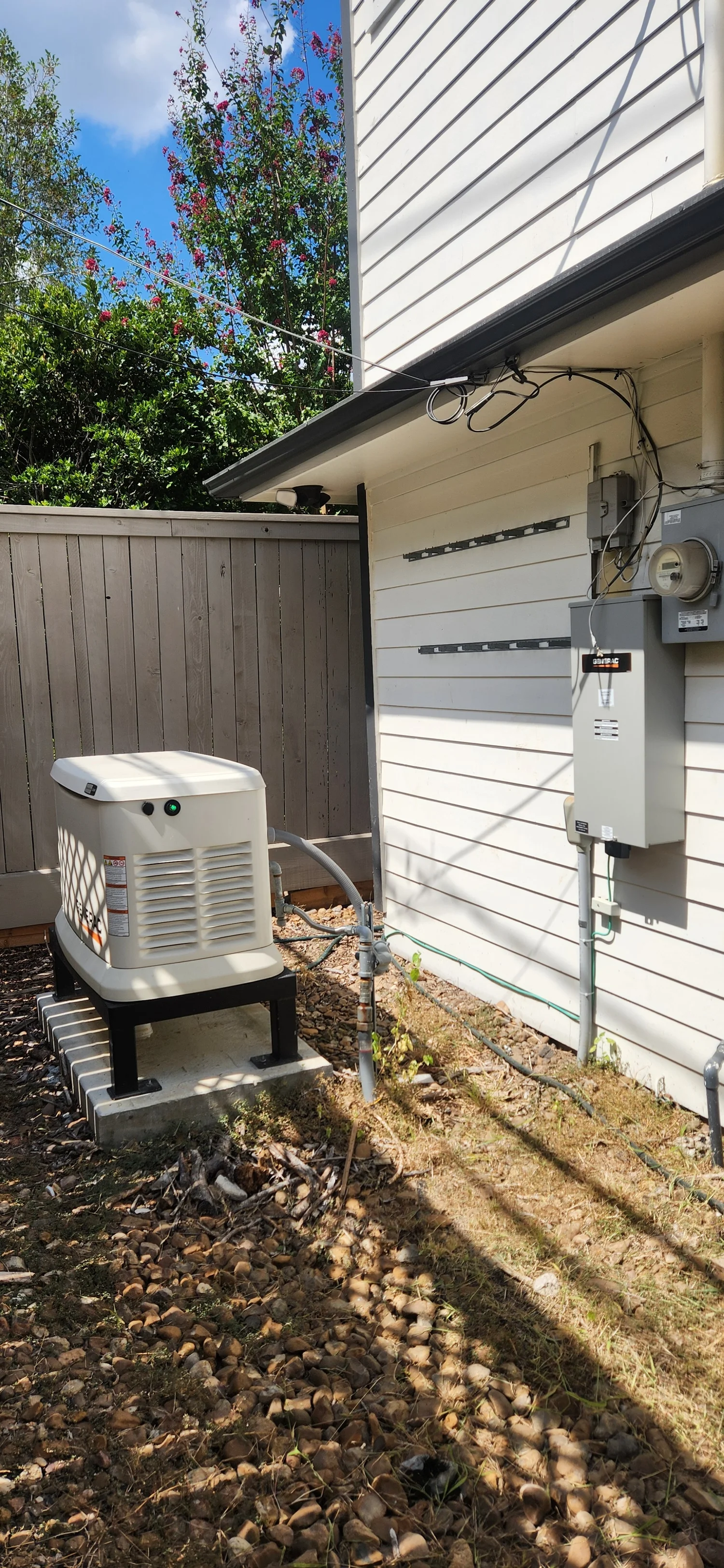
The transfer switchconnects your generator to your home’s electrical system. It prevents backfeed, which can be dangerous for utility workers. The switch automatically switches powerfrom the main grid to the generator during an outage. This keeps your home safe and powered.
Wiring the switch requires care. Connect the transfer switch between the main breaker and the generator. Use wires rated for the generator’s power output. Make sure all connections are tight and secure. Check local codes or hire a professional if unsure.
Testing the system is important. Start your generator and flip the transfer switch. The power should shift smoothly without flickers or interruptions. Turn off the main power to confirm the generator powers your home. Test regularly to ensure reliable operation.
Maintenance Tips
Check the oil and coolant levels often. Clean air filters keep the generator running well. Inspect spark plugs and replace if worn. Look for any leaks or loose parts. Test the battery to ensure it holds charge.
Store fuel in a cool, dry place. Use fresh fuel to avoid engine problems. Add fuel stabilizer to prevent fuel breakdown. Drain old fuel before storing the generator long-term. Keep fuel tanks clean to avoid clogs.
| Issue | Cause | Fix |
|---|---|---|
| Generator won’t start | Dead battery or empty fuel tank | Charge battery, refill fuel |
| Engine stalls | Dirty air filter or old fuel | Clean filter, replace fuel |
| Low power output | Worn spark plugs or loose connections | Replace plugs, tighten connections |
Cost And Efficiency Considerations
Initial investment for a regular generator is usually lower than a standby unit. Regular generators cost less upfront but may need more setup work. Standby generators often require professional installation, raising initial costs.
Operational costs include fuel, maintenance, and repairs. Regular generators use fuel only when turned on. Standby generators run automatically during outages, which can increase fuel use. Maintenance is key to keep both types working well.
| Type | Fuel Use | Maintenance | Cost |
|---|---|---|---|
| Regular Generator | Used only during power cuts | Regular checks needed | Lower initial cost |
| Standby Generator | Runs automatically during outages | Requires professional service | Higher initial cost |
Energy efficiency depends on usage and size. Regular generators may waste fuel if oversized. Standby generators are sized to match home needs, improving efficiency. Choosing the right size lowers fuel waste and saves money.

Credit: www.angi.com
Safety Measures
Carbon monoxideis a deadly gas from generators. Always run generators outside, far from windows and doors. Never use them indoors or in garages. Install carbon monoxide detectorsnear living spaces. Keep fresh air flowing to avoid buildup.
Electrical hazardscan cause shocks or fires. Use grounded outlets and heavy-duty extension cords. Avoid touching the generator with wet hands or standing in water. Turn off the generator before refueling to prevent sparks. Regularly inspect cords for damage.
Emergency procedureshelp keep everyone safe. Know how to shut off the generator quickly. Keep a fire extinguisher nearby. Call emergency services if carbon monoxide poisoning or fire occurs. Have a plan to evacuate if needed.
Credit: www.arielicustomhomes.com
Frequently Asked Questions
How Do I Connect A Regular Generator To Standby Power?
To connect a regular generator, use a transfer switch for safety. This switch isolates the generator from the grid, preventing backfeed. Always follow manufacturer instructions and local electrical codes for proper connection.
Can A Regular Generator Run Automatically Like A Standby?
No, regular generators typically require manual start and stop. Standby generators have automatic transfer switches that sense power loss and start automatically.
What Safety Precautions Are Needed Using A Regular Generator?
Use a transfer switch, keep the generator outdoors, and ensure proper grounding. Never plug directly into wall outlets to avoid dangerous backfeed risks.
How Long Can A Regular Generator Run Continuously In Standby?
Regular generators can run several hours but are not designed for long-term use. Monitor fuel levels and avoid overloading to prevent damage.
Conclusion
Using a regular generator as a standby generator can save money and provide backup power. Make sure to connect it properly and test it often. Keep safety in mind to avoid accidents. Regular maintenance helps the generator work well during outages.
Knowing these steps makes power backup easier and more reliable. Stay prepared, and your home will stay powered when you need it most. Simple tips can make a big difference. Try these ideas to keep your power steady and safe.