
Imagine the frustration of your lights flickering off during a storm, leaving you in the dark without warning. Suddenly, your home loses its familiar hum of electricity, leaving you disconnected from the world.
But what if you had a reliable plan to keep everything running smoothly? That’s where a standby generator comes in. By learning how to use a standby generator during a power outage, you can transform an uncomfortable situation into a manageable one.
You’ll ensure your home remains a safe haven and your daily life doesn’t come to a screeching halt. Ready to discover the secrets that keep your home powered even when the grid goes down? Let’s dive into the essential steps and tips that will empower you to take control when the unexpected happens.
Choosing The Right Standby Generator
Selecting the right standby generator ensures reliable backup during outages. Consider size, fuel type, and installation needs. Proper use involves regular maintenance and monitoring to guarantee efficiency and safety.
Assess Your Power Needs
Think about what needs power during an outage. Make a list of important appliances. Refrigerators, lights, and heating are common needs. Calculate how many watts each item uses. Add them together for total power needs. This helps in picking the right generator. Choose a generator that can handle this load. Safety is important, so don’t overload the generator.
Types Of Standby Generators
- Portable Generators:Easy to move and less costly. Suitable for small homes.
- Inverter Generators:Quiet and efficient. Good for sensitive electronics.
- Whole House Generators:Offers full home coverage. Requires professional installation.
Each type has pros and cons. Consider your budget and power needs. Make sure the generator fits your home size.
Installation Basics
Choose a safe spot for the generator. It should be outside. This keeps fumes away from the house. Make sure it’s on a stable surface. Avoid placing it near windows or doors. The noise can disturb you indoors. Keep it at least 5 feet from buildings. Trees and bushes should not block the area. Ensure it is not in a flood-prone area. Check local regulations for generator placement. Follow these rules for safety.
Hiring a pro is wise for generator setup. They know the rules and safety tips. Professionals connect the generator to the house. This makes sure it works right during outages. They also handle the wiring and fuel setup. This is important for smooth operation. A pro checks if everything is safe and secure. They help avoid mistakes that might cost more later. Trust experts for a reliable installation.
Safety Precautions
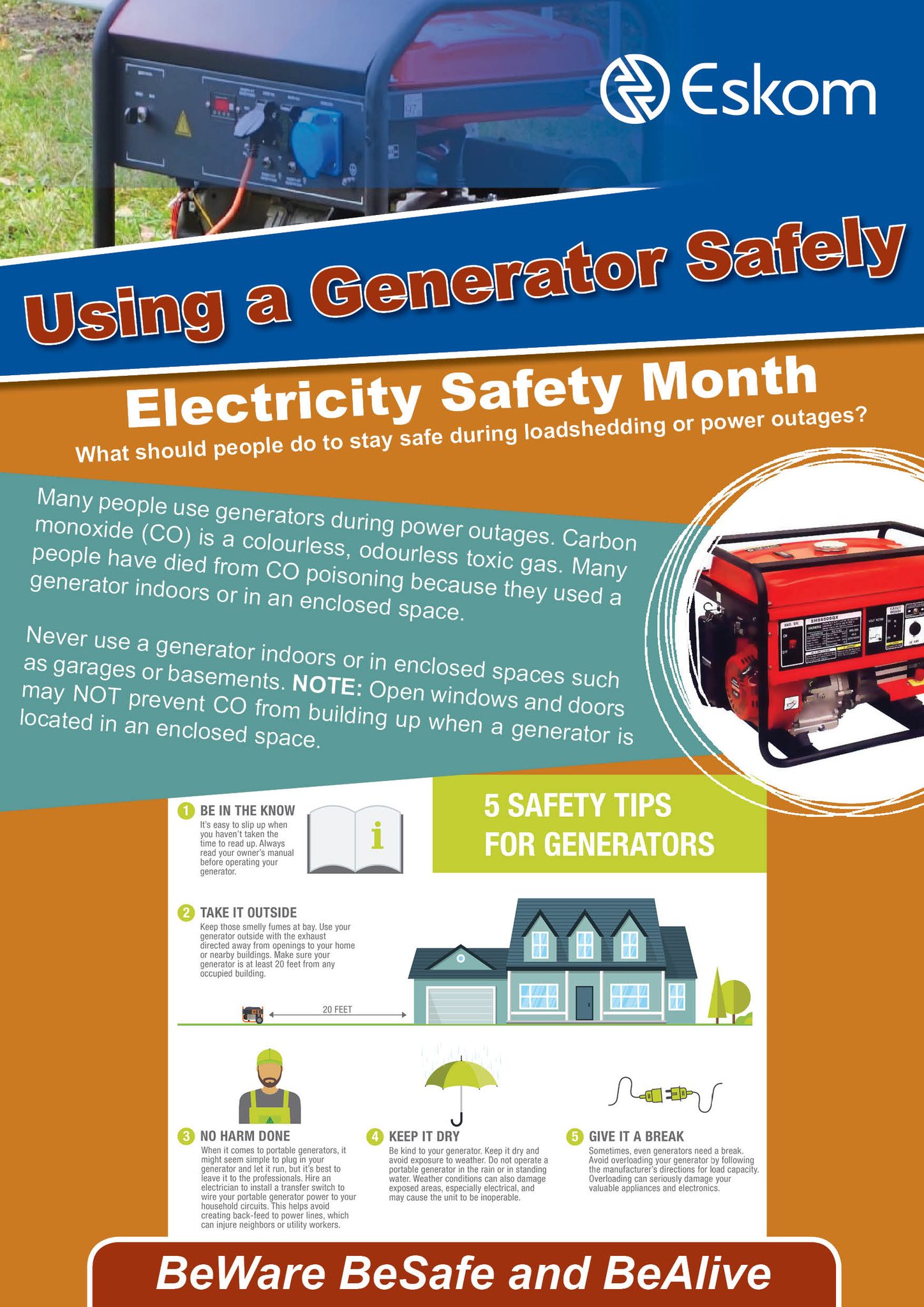
Ensure your standby generator is outside to prevent carbon monoxide buildup. Keep it dry and away from windows.
Avoiding Carbon Monoxide Risks
Keep generators outside. Never use them indoors or in garages. Carbon monoxide is dangerous. It can make you sick quickly. Place the generator far from windows. This keeps the gas outside. Use a carbon monoxide detector. It warns you if levels get high. Stay safe by checking it often.
Proper Ventilation
Generators need fresh air. Place them in open areas. This helps them cool down. Hot machines can be dangerous. Never block the air vents. Clear space around the generator. Keep it free from items. This ensures proper airflow. Always check if air can move freely.

Credit: www.facebook.com
Operation Guidelines
First, ensure the generator is in a safe location. Check the fuel level. Make sure it has enough fuel to run. Turn the generator switch to “on.” Pull the starter cord gently. If it doesn’t start, check for any faults. Listen for a steady humming sound. This sound means the generator is working well.
Connect devices in small groups. Avoid plugging in too many at once. This prevents overload. Use only essential appliances. Turn off unnecessary lights and gadgets. Watch the generator’s capacity meter. It shows how much power is used. Reduce load if the meter gets high. Protect the generator from overheating.
Maintenance Tips
Ensure your standby generator is installed in a well-ventilated area. Regularly check fuel levels and connections for optimal performance. Store essential supplies like oil and filters nearby for quick access during emergencies.
Regular Inspection
Inspect your generator every month. Check all parts for wear and tear. Ensure connections are tight and secure. Look for leaks or rust on metal parts. Keep the generator clean and dust-free. This helps it run smoothly. Replace old or broken parts quickly. Use a flashlight for better inspection. This keeps your generator working well during outages.
Fuel Management
Always have enough fuel stored. Store fuel in a safe container. Check fuel levels regularly. Ensure fuel is fresh and not expired. Use the right type of fuel for your generator. Follow the manufacturer’s instructions for fuel type. Keep fuel away from heat sources. This prevents accidents or fires. Monitor fuel consumption during use. Plan ahead to avoid running out.
Credit: www.facebook.com
Troubleshooting Common Issues
Operating a standby generator during a power outage can be tricky. Ensure it’s placed outdoors to avoid fumes. Regularly check fuel levels and connections for safe, efficient use.
Power Failure Solutions
Check the generator’s fuel level. Low fuel can stop power. Inspect the battery connections. Loose wires might cause issues. Examine the circuit breaker. It should not be tripped. Review the control panel settings. Ensure it is set correctly. Clean the air filter if dirty. This helps the engine breathe.
Technical Malfunctions
Listen for unusual sounds. Strange noises can mean trouble. Feel for excessive vibrations. This may signal a problem. Smell for burning odors. Burning means parts overheating. Check the oil level. Low oil harms the engine. Look for visible leaks. Leaks need immediate repair.
Legal And Regulatory Considerations
Understanding legal and regulatory considerations is crucial when using a standby generator. Ensure compliance with local noise ordinances and emission standards to avoid penalties. Proper installation by a licensed professional is often required to meet safety regulations.
Local Ordinances
It’s vital to check local rules for standby generators. Some places have noise restrictions you must follow. Ensure your generator meets these sound limits. Placement guidelines might exist too. You can’t put a generator just anywhere. It may need to be away from windows or doors. Violating these rules can lead to fines. So, always check first to avoid penalties.
Permit Requirements
Many areas need a permit to install generators. This ensures safety and compliance. You might need electrical inspections too. These confirm your setup is safe. Applying for permits might involve fees. Don’t skip permits, or you could face trouble. A professional can help with permits. They know the process and requirements.

Credit: www.jackery.com
Frequently Asked Questions
How Do You Use A Generator During A Power Outage?
Plug appliances directly into the generator using extension cords. Keep the generator outdoors, away from windows and vents. Check fuel levels regularly. Avoid overloading the generator to prevent damage. Ensure all connections are secure and follow the manufacturer’s instructions for safe operation.
How Long Can A Generac Generator Run During A Power Outage?
A Generac generator can run continuously for about 200 hours during a power outage. Always check fuel levels and maintenance schedules to ensure optimal performance. Proper management ensures longer and efficient operation during extended outages. Regular checks help avoid potential issues and maximize generator lifespan.
Can I Run A Generator While I’m Gone?
Leaving a generator running unattended is unsafe. It may overheat, cause fires, or emit harmful fumes. Always monitor it closely. Ensure proper ventilation, and regular maintenance for optimal safety. Follow manufacturer’s guidelines to avoid risks. Consider automatic shut-off features for added protection.
Safety should always be the priority.
Will A Generac Work If The Power Grid Goes Out?
Yes, a Generac generator can work when the power grid goes out. It automatically starts during outages, providing seamless power backup. Make sure it’s properly installed and maintained for optimal performance. This ensures your essential appliances and systems stay operational during power failures.
Conclusion
Using a standby generator is simple during power outages. First, ensure it’s installed properly. Safety is crucial. Keep the generator outdoors to avoid fumes. Connect essential appliances only. Use heavy-duty extension cords. Check the fuel and oil levels regularly. Maintain the generator for best performance.
Always follow the manufacturer’s instructions. This ensures safety and efficiency. A standby generator provides peace of mind. Reliable power when you need it most. Be prepared for any outage. Stay safe and powered.