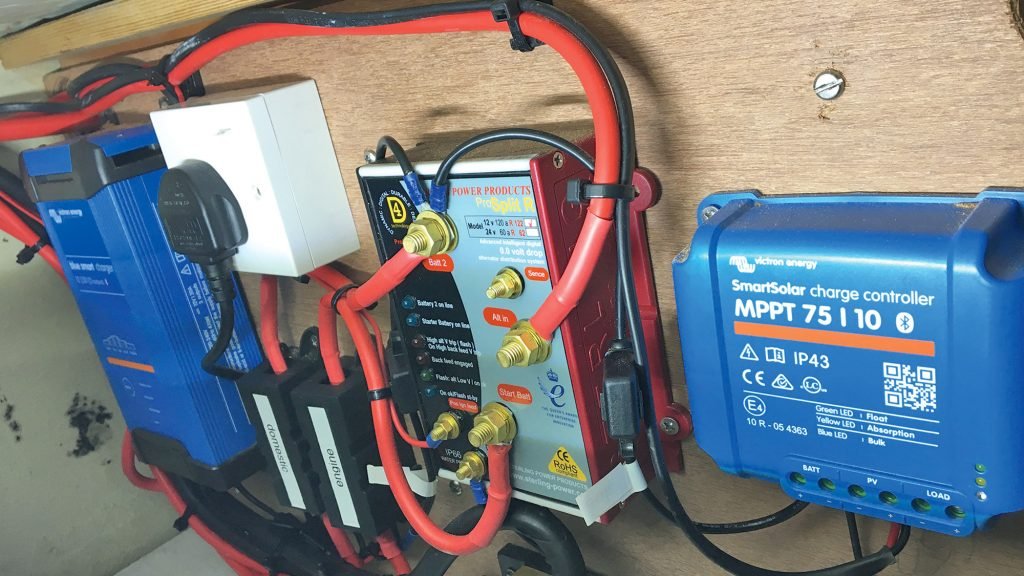
Have you ever faced the frustration of a dead battery just when you needed your marine generator the most? It’s a scenario you probably want to avoid at all costs.
The good news is, there’s a simple solution that can save you from such headaches: a battery maintainer. This nifty device ensures that your marine generator is always ready to perform, keeping your adventures uninterrupted and stress-free. By learning how to use a battery maintainer, you not only extend the life of your battery but also enhance your peace of mind.
Imagine never having to worry about whether your generator will start when you need it. The freedom to focus on your time at sea without the anxiety of technical hiccups is priceless. Dive into this guide to discover how you can effortlessly keep your marine generator in top condition and enjoy smooth sailing every time.
Benefits Of Using A Battery Maintainer
A battery maintainerhelps in extending the lifeof marine generator batteries. It keeps the battery charged at a safe level, preventing it from wearing out too soon. This saves money and avoids frequent replacements.
It also prevents battery drainwhen the generator is not in use. Batteries can lose power over time, especially in cold weather. A maintainer stops this slow loss and keeps the battery ready for use.
Using a battery maintainer enhances the reliabilityof the marine generator. The generator starts without trouble because the battery stays fully charged. This means fewer problems during critical moments on the water.
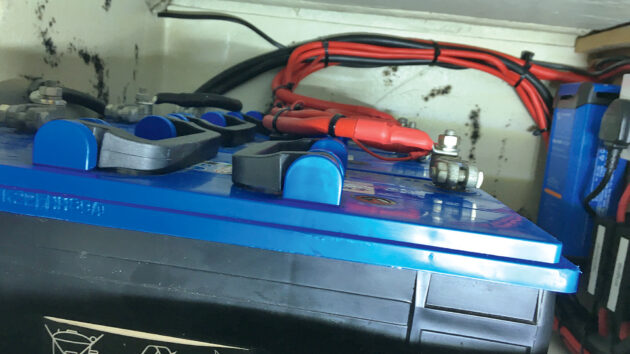
Credit: www.pbo.co.uk
Choosing The Right Battery Maintainer
Battery maintainers come in different types. Some are simple trickle chargers. Others have smart technologyto adjust charging automatically. Choose one that fits your marine generator’s needs.
| Type | Description | Best For |
|---|---|---|
| Trickle Charger | Provides a slow, steady charge | Small batteries, long-term storage |
| Smart Charger | Adjusts voltage and current automatically | All battery sizes, prevents overcharging |
| Float Charger | Maintains battery at full charge | Ready-to-use batteries |
Check the voltageand amperagematch your marine generator battery. Use the correct voltage to avoid damage. Amperage should be low enough to charge slowly but enough to maintain the battery.
- Voltage usually is 12V or 24V for marine batteries.
- Amperage often ranges between 1A to 5A.
- Too high amperage can overheat the battery.
Safety features are very important. Look for overcharge protectionto stop charging when full. Reverse polarity protectionprevents damage if cables are connected wrongly. Some maintainers have short circuit protectiontoo.
Preparing Your Marine Generator Battery
Clean the battery terminals to ensure a good connection. Use a wire brush or sandpaper to remove dirt and corrosion. Wipe the terminals with a clean cloth.
Check the battery for any cracks or leaks. A damaged battery can cause problems and is unsafe. Make sure the battery holds a proper charge before use.
Good ventilation is important to avoid gas buildup. Place the battery in a well-ventilated area. This prevents dangerous fumes from collecting near the battery.

Credit: onboard-charger.com
Step-by-step Connection Process
Find the battery terminals on your marine generator first. The positive terminalusually has a red cover or a plus (+) sign. The negative terminalis often black or marked with a minus (-) sign. Clean the terminals if they look dirty or rusty.
Connect the battery maintainer’s positive leadto the positive terminal. Then, attach the negative leadto the negative terminal. Make sure both connections are tight and secure.
Plug the battery maintainer into a power outlet. Turn on the device if it has a power switch. Check for indicator lights to confirm it is working properly. Leave it connected as needed to keep the battery charged.
Monitoring And Maintenance Tips
Regularly check the battery’s voltage and fluid levels. Use a voltmeter for accurate readings. Look for any corrosion on the terminals. Clean terminals with a brush if needed. Ensure the battery is tightly secured in place.
Avoid overcharging by using a battery maintainer with an automatic shut-off. Overcharging can damage the battery and reduce its lifespan. Follow the manufacturer’s instructions closely. Monitor charging status to keep battery health optimal.
Store the battery maintainer in a cool, dry place. Keep it away from water and direct sunlight. Coil cables neatly to prevent damage or tangling. Unplug the device when not in use to save energy and ensure safety.
Troubleshooting Common Issues
No Charging Indicationmay happen if the maintainer is not connected properly. Check the power source and cables. Make sure the charger is plugged in and turned on. Inspect the fuse or circuit breaker for any issues. Sometimes, the battery is too low to start charging immediately.
Corroded Connectorsstop the current flow. Clean the terminals with a wire brush or sandpaper. Apply a thin layer of petroleum jelly to stop future corrosion. Tighten loose connections to ensure a good contact. Regular checks help keep connectors clean and effective.
Battery Not Holding Chargecan mean the battery is old or damaged. Test the battery with a voltmeter or take it to a professional. Overcharging or deep discharging reduce battery life. Use the maintainer to keep the battery at the right level, not overcharged or drained.
Safety Precautions
Always wear personal protective equipmentlike gloves and safety glasses. This protects you from electric shocks and sparks.
Handle all electrical componentswith care. Make sure the battery maintainer is unplugged before touching wires or terminals.
- Keep the area free from sparks and flames.
- Do not smoke near the battery or generator.
- Work in a well-ventilated space to avoid gas buildup.
Double-check all connections to prevent short circuits. Use insulated tools to reduce risks.

Credit: intelligentcontrols.io
Frequently Asked Questions
What Is A Battery Maintainer For Marine Generators?
A battery maintainer keeps the marine generator’s battery charged and healthy. It prevents battery drain during inactivity. This device ensures reliable starts and extends battery life. It is essential for boats stored or unused for long periods.
How Do I Connect A Battery Maintainer To A Marine Generator?
First, turn off the generator and disconnect the battery terminals. Attach the maintainer’s positive clamp to the battery’s positive terminal. Connect the negative clamp to the negative terminal. Plug in the maintainer and follow the manufacturer’s instructions for safe use.
Can A Battery Maintainer Damage My Marine Generator Battery?
No, a good-quality battery maintainer prevents overcharging. It provides a controlled, low-level charge. This keeps the battery topped up without damage. Always use a maintainer compatible with your battery type and follow usage guidelines to ensure safety.
How Often Should I Use A Battery Maintainer On My Marine Generator?
Use a battery maintainer anytime the generator is unused for over a week. For long storage, keep the maintainer connected to avoid battery discharge. Regular use during off-seasons ensures the battery stays fully charged and ready.
Conclusion
Using a battery maintainer helps keep your marine generator ready to go. It stops the battery from losing power over time. This simple step saves you from unexpected failures. Connect the maintainer carefully and check it regularly. A well-charged battery means your generator will work when needed.
Taking care of your battery extends its life and performance. Small efforts now prevent bigger problems later. Keep your marine generator reliable with proper battery care. Easy to do, and worth the time.