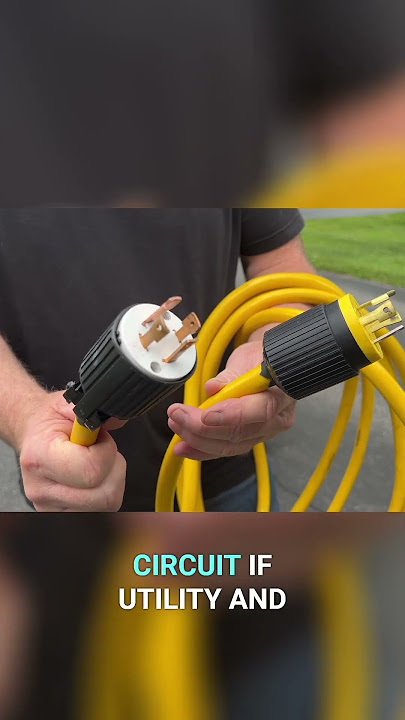
Imagine a sudden power outage leaves you in the dark, and all you have is a standby generator. You might feel stuck, wondering how to connect it efficiently.
Here’s where a dryer outlet can come to your rescue. Using a dryer outlet to backfeed a standby generator might sound complicated, but with the right guidance, it’s a manageable task that can restore power to your home. In this guide, you’ll discover the step-by-step process to safely and effectively use your dryer outlet to backfeed your generator.
We’ll break down the technical jargon and simplify the process, ensuring you feel confident and informed. By the end, you’ll not only know how to implement this solution but also understand the critical safety measures to protect your home and loved ones. Ready to take control in an emergency and keep your household running smoothly? Let’s dive in.
Credit: www.youtube.com
Dryer Outlet Basics
A dryer outletsupplies power to electric dryers. It usually has 240 voltsbut some have 120 volts. The outlet type depends on the dryer and wiring in your home.
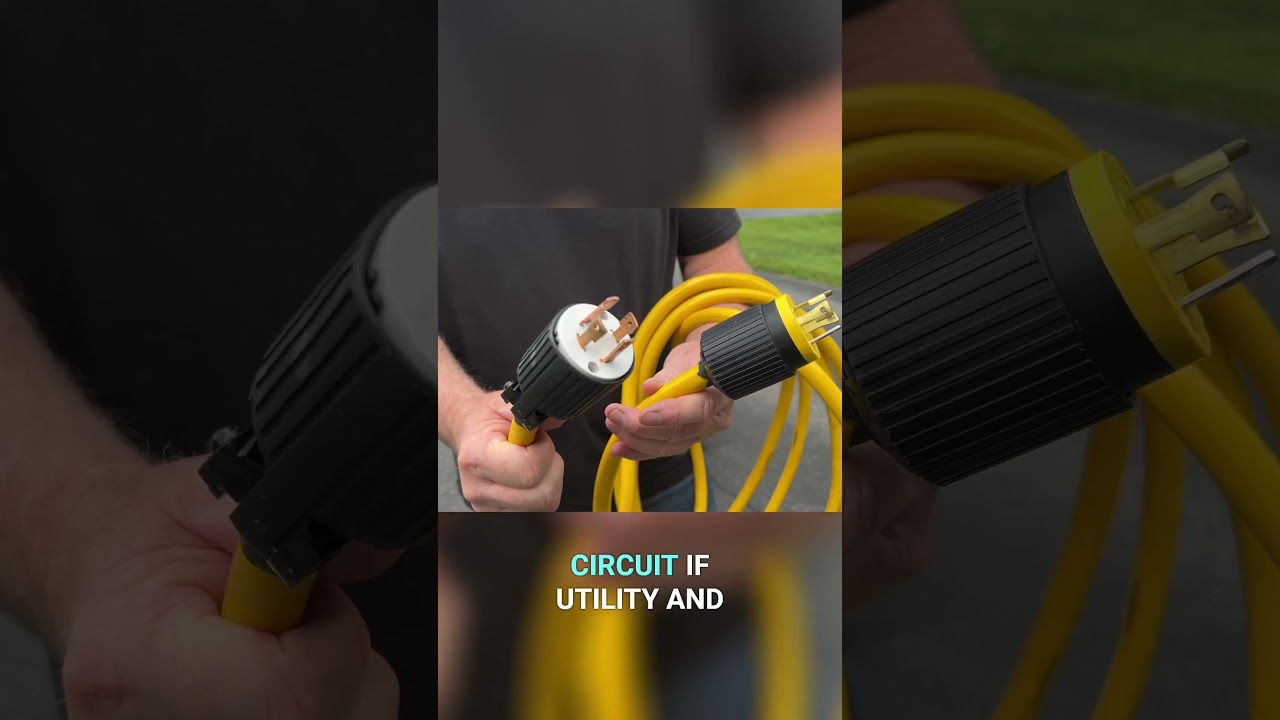
Common dryer outlets have either 3 or 4 prongs. The 3-prongoutlets use two hot wires and one neutral wire. The 4-prongoutlets add a ground wire for safety.
| Outlet Type | Voltage | Prongs | Wires |
|---|---|---|---|
| Type NEMA 10-30 | 240V | 3 | 2 Hot + 1 Neutral |
| Type NEMA 14-30 | 240V | 4 | 2 Hot + 1 Neutral + 1 Ground |
| 120V Outlet | 120V | 2 or 3 | Hot + Neutral (+ Ground) |
Backfeeding Concept
Backfeedingmeans sending power from a generator into a home’s wiring through a dryer outlet. This is done to power the house during an outage without a special transfer switch.
It uses the dryer outletas a connection point. This lets the generator supply electricity to some circuits in the home.
Backfeeding is very risky.It can cause serious problems:
- Electric shockrisk to utility workers fixing power lines.
- Damage to the generator or home wiring.
- Fire hazards from improper connections.
- Voiding insurance or breaking local laws.
Proper safety devices and knowledge are needed to avoid these dangers.
Generator Compatibility
Choosing the right generator depends on matching its power output to your home’s needs. A dryer outlettypically supports a 240-volt, 30-amp connection. Make sure the generator can provide enough continuous powerwithout overloading the circuit.
Check the generator’s wattage rating. It should be close to or higher than your dryer’s power requirement. Avoid using a generator that produces too little power, as it can cause damage or fail to operate properly.
| Dryer Outlet Rating | Generator Power Output | Notes |
|---|---|---|
| 240V, 30A | 3500 Watts or higher | Supports most standard dryers safely |
| 240V, 50A | 5000 Watts or higher | Needed for larger appliances or multiple circuits |
Safety Precautions
Protective gearis essential when working with a dryer outlet and generator. Wear insulated glovesto avoid shocks. Use safety gogglesto protect your eyes from sparks or debris. Non-slip shoes help keep balance on wet or uneven surfaces.
Electrical hazards can cause serious injury or death. Always turn off powerto the dryer outlet before starting work. Use a voltage testerto make sure the power is off. Keep the area dry to prevent electric shock. Never touch wires with bare hands.
- Check generator and outlet compatibility before connecting
- Use a proper transfer switchto prevent backfeed
- Secure all connections tightly to avoid sparks
- Keep children and pets away from the work area
Wiring Setup
To connect a dryer outletto backfeed a standby generator, certain tools and materials are essential. These include:
- Dryer cordcompatible with the generator and outlet
- Transfer switchor interlock kit for safety
- Wire strippersand screwdrivers
- Voltage testerto check connections
- Electrical tapeand wire nuts
- Circuit breakerrated for the generator
Follow these steps to connect the generator safely:
- Turn off the main power to avoid hazards.
- Remove the dryer plug and install the dryer cord.
- Connect wires to the generator terminals matching colors.
- Use a transfer switch or interlock to prevent backfeed.
- Secure all connections tightly and cover with electrical tape.
- Test the setup with a voltage tester before use.
- Switch on the generator and then the main panel.
Testing And Operation
Before powering the generator, check all connections carefully. Make sure the dryer outletis suitable and properly wired. Test the generator’s fuel and oil levels. Confirm that the transfer switch is off to avoid backfeed to the grid.
Start the generator and watch for any unusual sounds or smells. Check that power flows correctly through the dryer outlet. Use a voltage tester to confirm output voltage matches your generator’s rating.
While running, monitor the generator for steady operation. Look for signs of overheating or fuel leaks. Keep the area around the generator clear and well-ventilated. Regularly check the fuel gauge to avoid sudden power loss.
- Keep a fire extinguisher nearby for safety.
- Listen for any irregular engine noises.
- Check the dryer outlet for warmth or damage.
- Turn off the generator before refueling.
Legal And Code Considerations
Local electrical codesmust be followed strictly to ensure safety. These codes set rules for wiring and generator connections. They help prevent fire and electric shock hazards. Always check the latest version of your area’s code.
Permits and inspectionsare often required before installing a generator connection. Permits show the work is approved by local authorities. Inspections confirm the installation meets safety standards. Skipping this step can lead to fines or unsafe conditions.
- Contact your local building department for permit requirements.
- Submit detailed plans of your generator hookup.
- Schedule an inspection after installation.
- Do not use the generator without passing inspection.

Credit: www.reddit.com
Alternatives To Backfeeding
Transfer switch installationis a safe way to connect a standby generator. It isolates the generator from the main power grid. This prevents backfeeding, which can harm utility workers and damage equipment. The transfer switch connects directly to your home’s electrical panel. It allows easy switching between utility power and generator power. A professional electrician should install the transfer switch for safety.
Using dedicated generator outletsprovides a secure connection point for generators. These outlets are installed on the home’s exterior or garage. They are wired directly to the transfer switch or panel. This setup avoids the risks of backfeeding through regular outlets. Dedicated outlets also make hooking up the generator quick and easy.
Credit: www.diychatroom.com
Frequently Asked Questions
How Do I Safely Use A Dryer Outlet For Generator Backfeed?
To safely use a dryer outlet for backfeeding, ensure a transfer switch or interlock kit is installed. This prevents power from feeding back into the grid, protecting utility workers and your equipment.
Can A Standby Generator Power My Whole House Through A Dryer Outlet?
A dryer outlet can power essential circuits, but may not support the entire house. Check your generator’s wattage and load needs before connecting.
What Tools Are Needed To Connect A Generator To A Dryer Outlet?
You need a compatible generator power cord, a transfer switch or interlock kit, and proper grounding tools. Always follow safety and electrical codes.
Is It Legal To Backfeed A Generator Through A Dryer Outlet?
Backfeeding without proper transfer equipment is unsafe and often illegal. Use approved transfer methods to comply with local electrical codes and regulations.
Conclusion
Using a dryer outlet to backfeed a standby generator can save time and money. Always follow safety rules and local codes. Double-check connections before powering your home. Keep the generator off during utility power to avoid risks. This method works well for short outages.
Always plan ahead and prepare your equipment. Stay safe and keep your home powered when needed. Simple steps make a big difference.