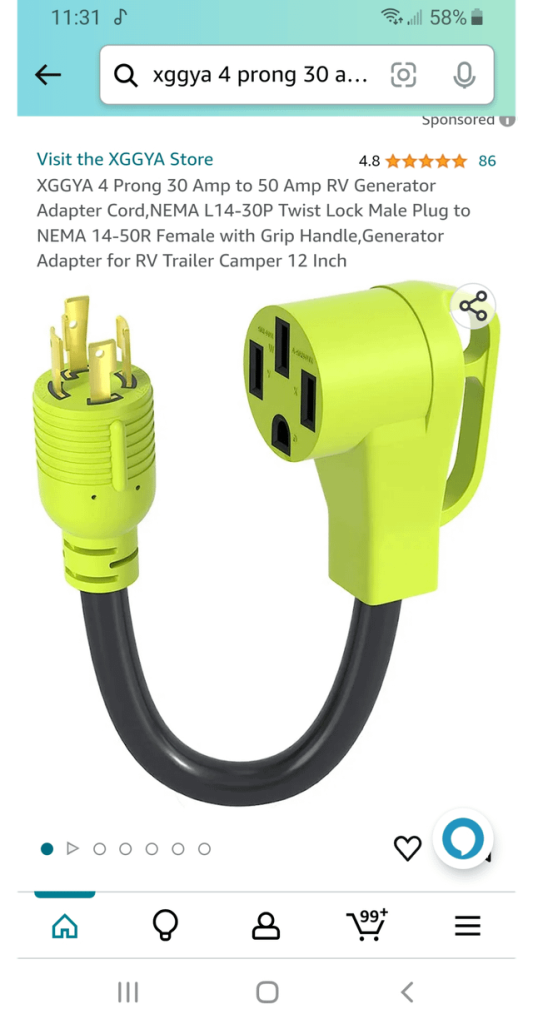
You’ve got a generator ready to power up your essentials, but there’s one small hiccup: the plug doesn’t match your outlets. Frustrating, right?
This is where a generator adapter plug becomes your best friend. It’s the simple solution that ensures your generator’s power seamlessly flows to where you need it most. Imagine the relief of knowing that during a power outage or a camping trip, you’ve got everything connected without a hitch.
Your peace of mind hinges on this little device, and we’re here to guide you through using it with confidence. Let’s dive in and make sure you’re never left in the dark again!
Credit: www.vevor.ca
Choosing The Right Adapter
Choosing an adapter that matches your generator’s power and plug type is essential for safe use. Check the voltage and outlet compatibility to avoid damage or hazards. Proper fit ensures your devices run smoothly without interruptions.
Types Of Generator Adapters
Generator adapters come in many types. Some fit common household plugs. Others work with heavy-duty tools. Choose an adapter that matches your plug type. This helps you connect safely and easily.
Matching Adapter To Generator
Make sure the adapter fits your generator’s outlets. Check the shape and size of the plug. Using the wrong adapter can cause damage or stop power flow. Always pick one that fits well without forcing.
Checking Power Ratings
Power ratings matter a lot. The adapter’s power rating should be equal or higher than your generator’s output. Low ratings can cause overheating and fire risk. Look for amps and volts on the adapter label.
Preparing For Setup
Check the generatorand adapter plugfor any visible damage. Make sure all connectionsare clean and tight. Confirm the adapter matches the generator’s outputand your device’s plug type. Avoid using cracked or worn parts to stay safe.
Wear safety gearsuch as gloves and eye protection. Keep a fire extinguishernearby in case of sparks or fire. Avoid loose clothing to reduce risk of accidents. Always follow manufacturer safety guidelines.
- Clear all debrisand obstacles near the generator.
- Ensure the area is dryto prevent electrical hazards.
- Keep children and pets away from the setup zone.
- Make space for good ventilationaround the generator.
Connecting The Adapter
Always turn off the generatorbefore connecting the adapter. This prevents electrical shocks and damage. Make sure the generator is cool and quiet before handling.
Carefully plug the adapterinto the generator’s outlet. Check that the plug fits snugly and matches the outlet type. Loose connections can cause sparks or failure.
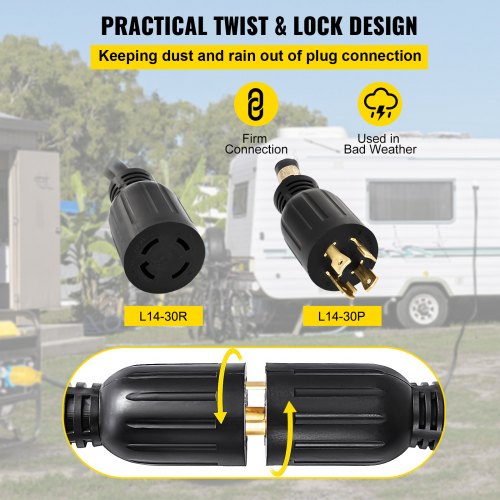
Secure all connectionstightly. Use a locking mechanism if your adapter has one. This keeps the adapter from coming loose during use. Double-check every plug and socket for firmness.

Credit: acworks.com
Operating The Generator Safely
Start the generator on a flat, dry surface for safety. Ensure fuel and oil levels are correct before starting. Turn off all connected devices to prevent sudden power surges. Use the generator adapter plug to connect devices properly and avoid damage.
Keep an eye on the power output gauge. Watch for any unusual changes or fluctuations. This helps prevent damage to your devices and the generator. Always stay within the generator’s power limit.
- Do not connect too many devices at once.
- Spread out the load across different outlets.
- Turn off devices before plugging or unplugging.
- Use the adapter plug to avoid overloading circuits.
Maintaining Your Adapter And Generator
Keep your generator and adapter clean and dry to ensure safe use. Regularly check for damage and store them properly after use. Proper care helps your equipment last longer and work better.
Cleaning And Storage Tips
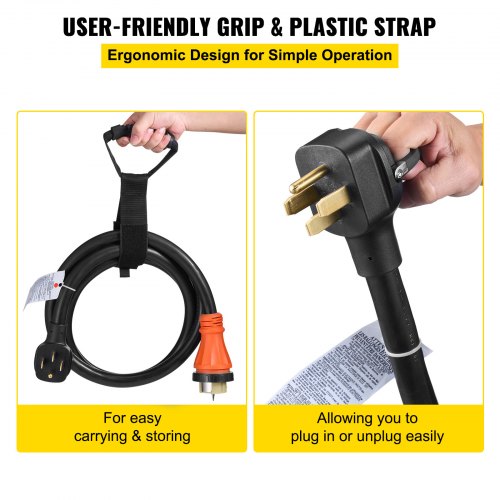
Keep the adapter plug clean by wiping it with a dry cloth. Avoid using water or harsh chemicals. Store the adapter in a dry, cool place to prevent damage. Protect it from dust and moisture to ensure longer life. Regular cleaning helps keep connections tight and safe.
Routine Inspections
- Check for cracks or damage on the adapter plug.
- Make sure all prongs are straight and not bent.
- Look for any signs of rust or corrosion.
- Inspect the generator outlet for dirt or debris.
- Test the adapter before use to ensure it works properly.
Troubleshooting Common Issues
Loose connections can cause power loss. Tighten any loose parts carefully. If the adapter feels hot, unplug it immediately. Check for broken wires or damaged plugs. Replace the adapter if it shows signs of wear. Keep the generator and adapter dry during use to avoid short circuits.
Credit: www.vevor.ca
Frequently Asked Questions
What Is A Generator Adapter Plug Used For?
A generator adapter plug connects your generator to various appliances safely. It allows compatibility between different plug types. This ensures smooth power transfer and prevents damage to devices. Using an adapter plug increases generator versatility and usability.
How Do I Connect A Generator Adapter Plug Safely?
First, turn off the generator and appliances. Then, firmly plug the adapter into the generator outlet. Connect your appliance plug to the adapter. Ensure all connections are secure and dry. Finally, start the generator and check for proper power flow.
Can I Use Any Adapter Plug With My Generator?
No, you must use a compatible adapter plug. Check your generator’s outlet type and voltage rating. Match the adapter to these specifications. Using the wrong adapter risks electrical hazards and device damage. Always refer to your generator’s manual for guidance.
Why Is A Generator Adapter Plug Necessary?
It enables the use of different devices with your generator. Without it, plug types may not match, preventing power connection. It also helps protect your generator and appliances from electrical faults. This makes your generator more flexible and efficient.
Conclusion
Using a generator adapter plug helps connect devices safely and easily. Always check the plug matches your generator and devices. Avoid overload by knowing the power limits. Keep connections dry and secure to prevent hazards. This simple tool can make power access smooth during outages or outdoor activities.
Remember safety first for the best results. A little care goes a long way with generator adapters.