Imagine sitting comfortably at home, reading your favorite book or watching a gripping show, when suddenly the power goes out. Frustrating, right?
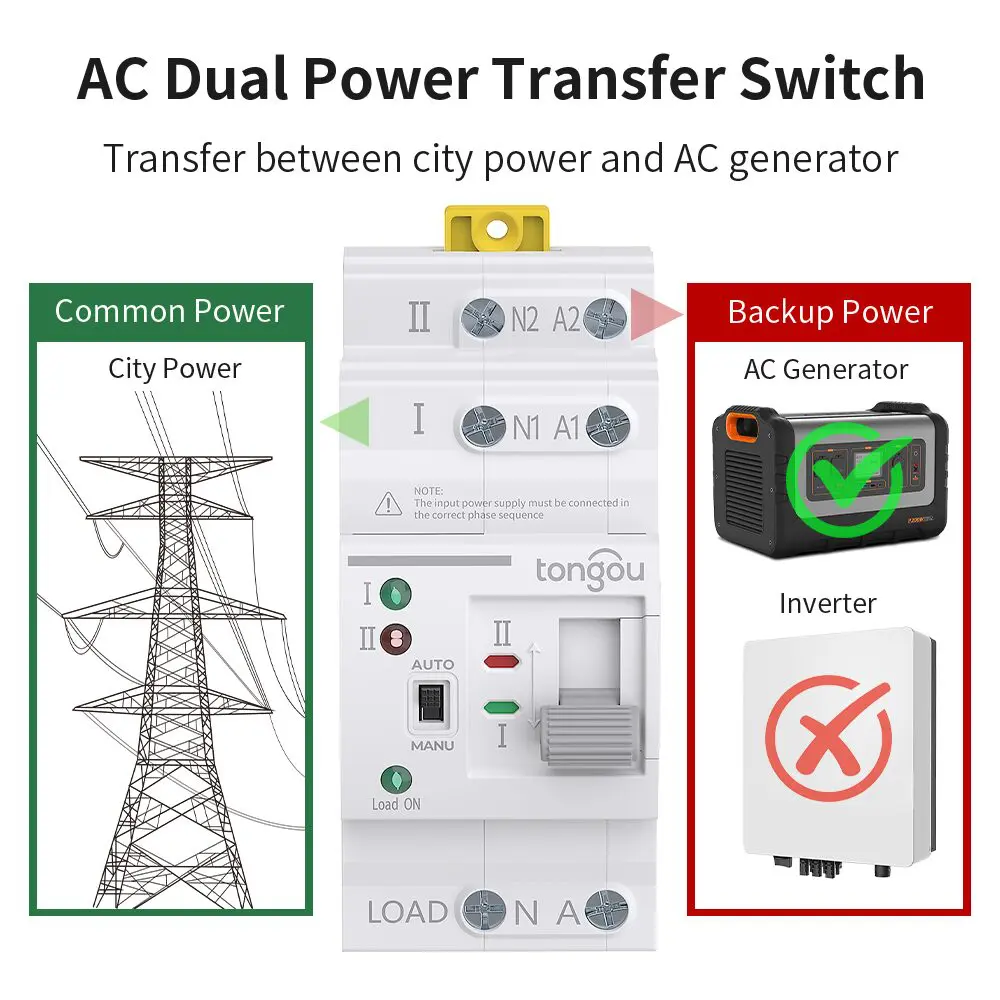
Power outages can disrupt your life, leaving you in the dark—literally and figuratively. But what if you could easily turn this inconvenience into a non-issue? That’s where generator automatic transfer switches (ATS) come into play. These handy devices can seamlessly switch your power supply from the grid to a generator when an outage occurs, ensuring your life goes uninterrupted.
In this guide, you’ll discover how to effectively use generator ATS for home backup. You’ll learn about the benefits, installation tips, and how to choose the right system for your needs. By the end, you’ll not only be prepared for unexpected power disruptions but also empowered with the knowledge to keep your home running smoothly. Ready to stay one step ahead of power outages? Keep reading to find out how!
Benefits Of Generator Ats
Generator ATSallows automatic switchingto backup power. This means no need to manually turn on the generator. Power switches quickly and quietly, so your home stays poweredwithout interruptions.
It offers enhanced safetyby preventing back-feed of electricity. This protects utility workers and your equipment. Many ATS systems include built-in circuit breakersfor extra protection.
- Reduced downtimekeeps your home running during outages.
- Automatic switching means no waiting for power restoration.
- Helps avoid damage from sudden power loss.
Credit: www.yroenergy.com
Types Of Generator Ats
Manual Transfer Switcheslet you switch power sources by hand. They are simple and cost less. You must flip a switch during power outages. Good for small homes or places where power loss is rare.
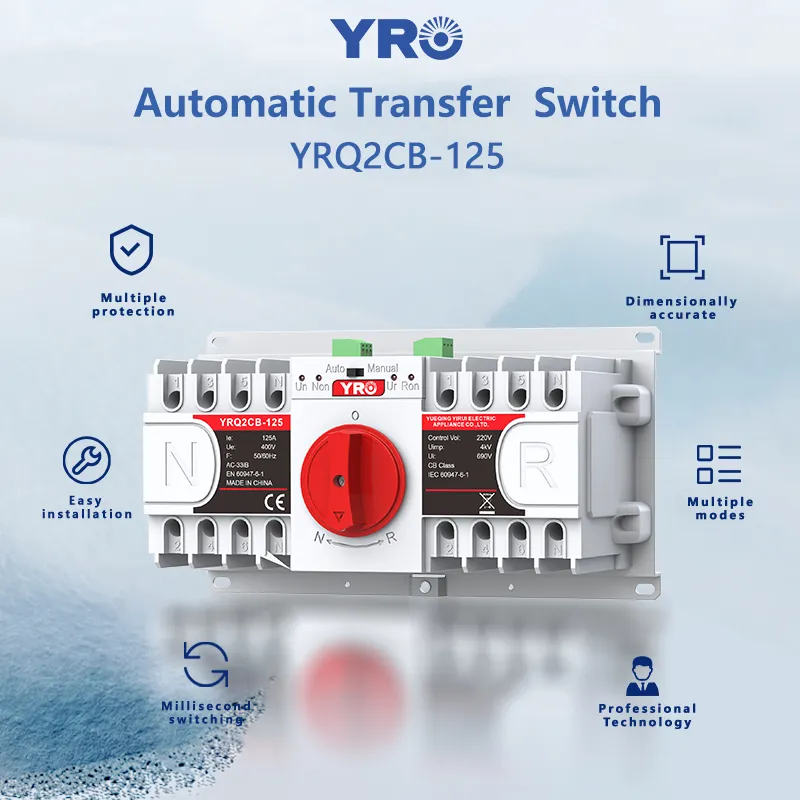
Automatic Transfer Switchesswitch power sources on their own. They detect outages and start the generator quickly. No need to be home or awake. Common in homes needing constant power backup.
Smart Transfer Switchesoffer advanced features. They can connect to Wi-Fi and be controlled remotely. They monitor power use and send alerts. Best for tech-savvy users who want more control and info.
Choosing The Right Ats For Your Home
Power capacityis key to choosing an ATS. Check your generator’s wattage and home needs. The ATS must handle the total power your home uses during an outage. Undersized ATS can cause safety risks and damage equipment.
Compatibilitywith your generator is vital. Not all ATS units work with every generator brand or model. Confirm the ATS matches your generator’s voltage and phase type. This avoids connection issues and ensures smooth operation.
Installation needsvary by ATS type and home setup. Some ATS require professional wiring and mounting. Space for the ATS unit is also a factor. Choose a model that fits your home’s electrical panel and meets local code rules.
Installation Process
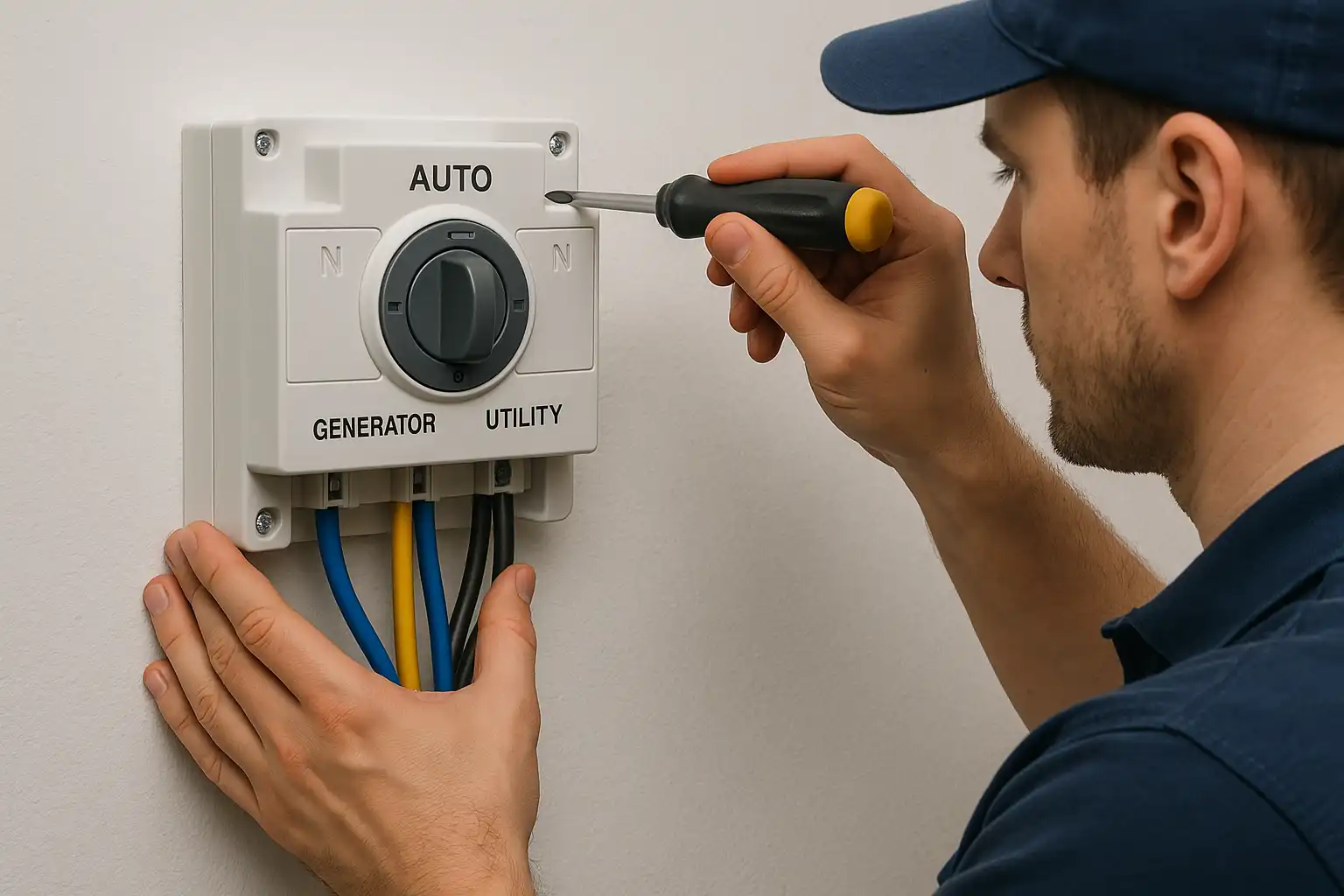
Safetyis key during installation. Always turn off power before starting work. Use gloves and eye protection. Keep the area dry and clean to avoid accidents.
Correct wiringand connectionsensure the ATS works well. Connect the ATS to both the generator and the home power panel. Use wires that match the generator’s power rating. Tighten all screws firmly to avoid loose connections.
Testing the setup confirms everything works safely and smoothly. Start the generator and switch the ATS to generator power. Check that power flows to your home appliances. Switch back to utility power and verify the ATS returns control correctly.
Operating Your Generator Ats
The Generator ATS (Automatic Transfer Switch) starts the generator automatically when power fails. It switches the power supply from the main grid to the generator without delay. This ensures your home always has electricity during outages.
Check the ATS panel to see the current power source. The switch moves back to the main power when it is stable again.
| Monitoring ATS Performance | Routine Maintenance Tips |
|---|---|
|
|
Troubleshooting Common Issues
Power transfer failuresoften happen if the ATS does not detect the generator or main power correctly. Check all wiring connectionsand ensure the ATS switch is set properly. Sometimes, a faulty sensor causes the ATS to delay switching power.
Generator ATS alarmssignal problems like low fuel, engine faults, or electrical issues. The control panel usually shows an error code or light. Consult the generator manual to identify specific alarm meanings. Clear any obstructions and perform regular maintenance to avoid alarms.
Electrical faults may arise from overloads, short circuits, or ground faults. Use a multimeter to test voltage and current at the ATS and generator. Replace damaged wires or fuses immediately to prevent further damage. Keep the ATS area dry and clean to reduce electrical issues.
Cost And Maintenance Considerations
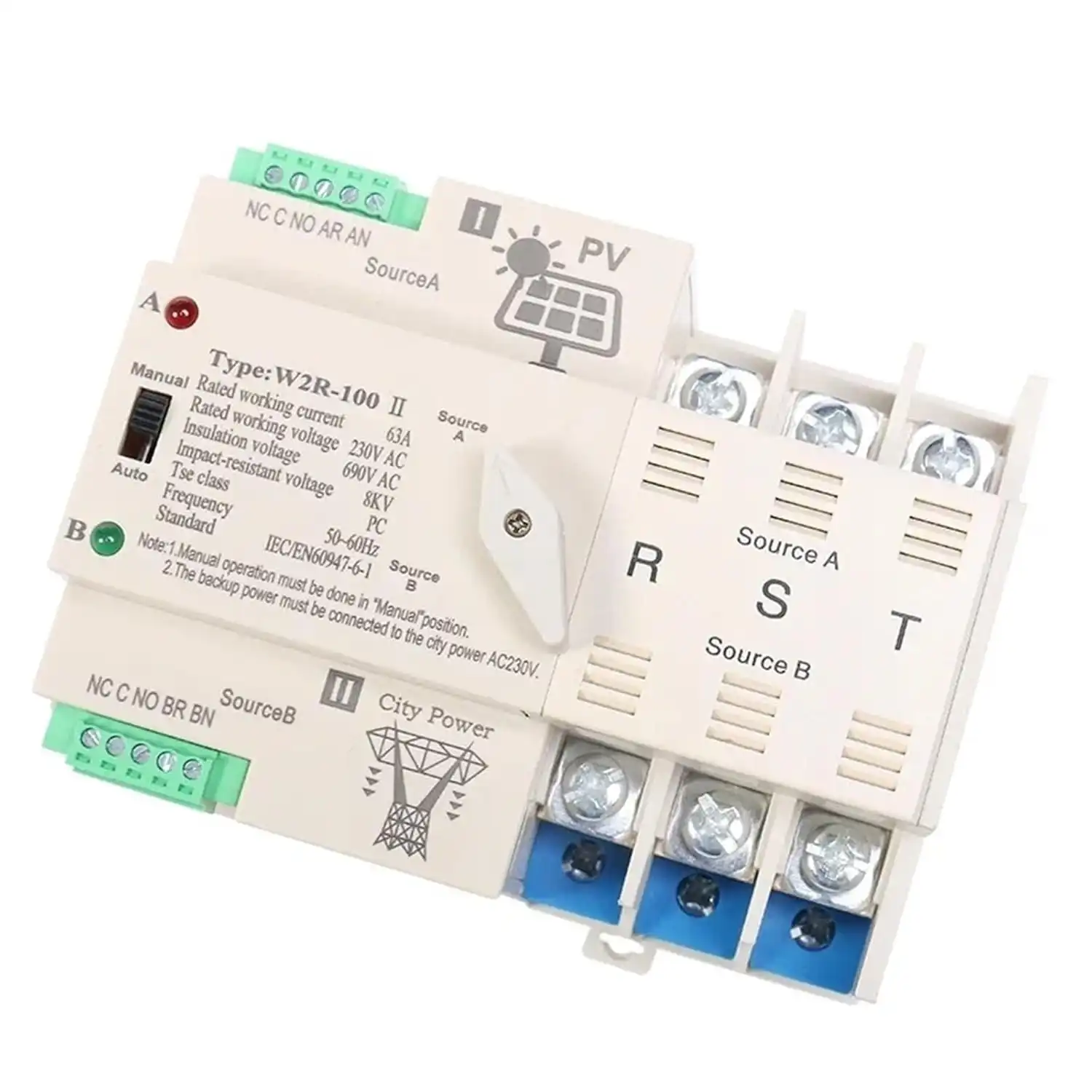
The initial investmentfor a generator ATS includes the cost of the ATS device and professional installation. Prices vary based on the ATS model and home size. Installing an ATS may cost more than a manual transfer switch but offers automatic power switchingduring outages.
Ongoing maintenance costsare generally low but important. Regular checks for loose connections and cleaning dust help keep the ATS reliable. Some parts might need replacement after several years.
Extending the ATS lifespan involves simple steps:
- Keep the ATS dry and clean
- Test the system regularly
- Schedule professional inspections every 1-2 years
- Replace worn parts promptly
Credit: www.onesto-ep.com
Credit: www.onesto-ep.com
Frequently Asked Questions
What Is A Generator Ats And How Does It Work?
A Generator Automatic Transfer Switch (ATS) automatically switches power from the main grid to a generator during outages. It ensures seamless power backup at home without manual intervention, providing safety and convenience.
Why Use A Generator Ats For Home Backup?
Using a Generator ATS for home backup guarantees uninterrupted electricity. It prevents power loss during outages by instantly activating the generator, protecting appliances and maintaining comfort.
How To Install A Generator Ats Safely At Home?
To install a Generator ATS safely, hire a licensed electrician. Proper wiring and grounding are crucial. Follow local codes and manufacturer instructions to ensure safe and reliable operation.
Can A Generator Ats Handle Multiple Home Circuits?
Yes, a Generator ATS can manage multiple circuits. It prioritizes essential circuits during outages, ensuring critical appliances receive power while preventing system overload.
Conclusion
Using a generator ATS keeps your home powered during outages. It switches power automatically, saving time and effort. Installation is simple with clear steps to follow. Regular checks help the system work smoothly. This backup plan gives peace of mind in emergencies.
Stay prepared and avoid dark, stressful moments. A generator ATS is a smart choice for home safety.