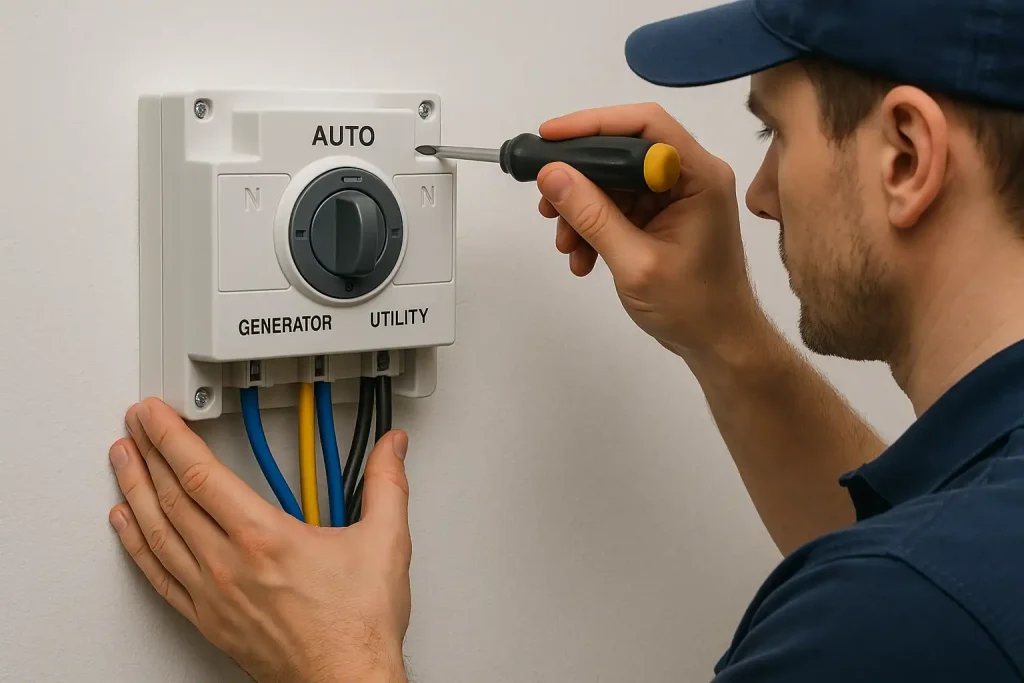
Imagine a stormy night when the power suddenly goes out, plunging your home into darkness. Your refrigerator stops humming, your lights go out, and your house becomes eerily silent.
But what if there was a way to instantly bring everything back to life without lifting a finger? That’s exactly what happens when you use a generator Automatic Transfer Switch (ATS) for your standby generator. In this guide, you’ll uncover the secrets of how ATS can seamlessly transition your home from darkness to light, ensuring that your essential appliances and comforts remain uninterrupted.
You’ll learn how to harness this powerful tool to keep your home running smoothly, even when the grid lets you down. By the end of this article, you’ll be equipped with the knowledge to make power outages a thing of the past. Keep reading to discover how you can turn the inevitable into an opportunity for convenience and peace of mind.

Credit: www.duthiepower.com
Generator Ats Basics
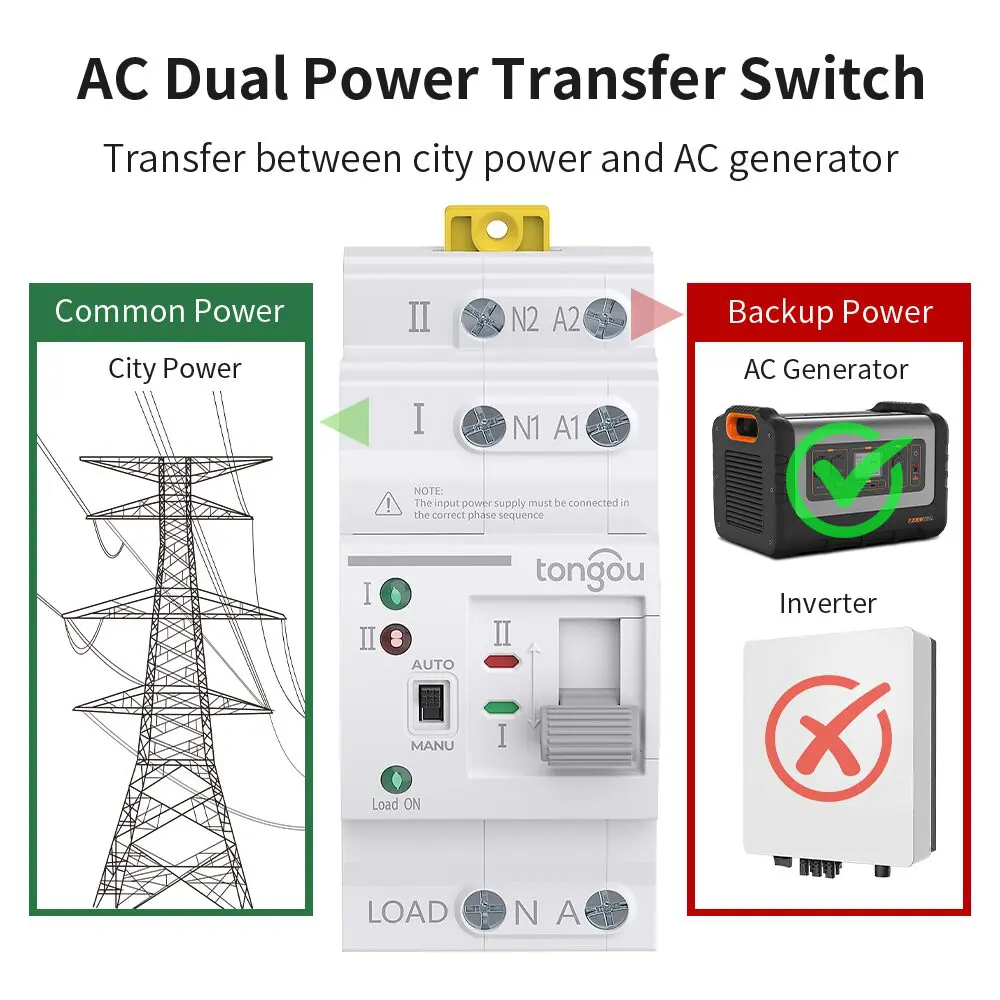
An Automatic Transfer Switch (ATS)is a device that switches power from the main source to a generator. It ensures power stays on during outages. The ATS senses power loss and starts the generator automatically.
There are two main types of ATS:
- Open Transition ATS: Switches power by briefly disconnecting the load before connecting to the generator.
- Closed Transition ATS: Transfers power without interruption by syncing both sources before switching.
Key componentsof an ATS include:
| Component | Function |
|---|---|
| Control Circuit | Detects power loss and signals generator start |
| Switching Mechanism | Transfers load between utility and generator |
| Generator Interface | Communicates with the generator for start/stop |

Credit: www.reddit.com
Choosing The Right Ats
Load capacityis key for choosing an ATS. It must handle the total power of your generator and devices. An ATS too small can cause failure or damage. Check the maximum amperageand voltage the ATS supports. Match these with your generator’s output.
Not all ATS units fit every generator. Compatibilitydepends on the brand, model, and power type (single or three-phase). Confirm the ATS supports your generator’s voltage and frequency. Using the wrong ATS can cause poor performance or hazards.
- Safety featuresare vital. Look for built-in protection against overloads and short circuits.
- Automatic switching should be smooth to prevent power loss.
- Some ATS models offer manual overridefor emergencies.
- Ensure the ATS has proper certificationsfor safety standards.
Installation Steps
Begin by turning off the main power before installing the ATS. Connect the ATS to both the generator and the main electrical panel carefully. Test the setup to ensure the generator starts automatically during power outages.
Site Preparation
Choose a flat, dry place for the generator ATS. Clear the area of debris and obstacles. Ensure good ventilation around the unit. Keep the ATS close to the main power source and generator. Use a sturdy base to avoid vibrations. Check local rules for installation requirements.
Wiring Connections
Turn off all power before starting wiring. Connect the ATS input to the main power supply. Link the output to the building’s electrical panel. Connect the generator to the ATS input terminals. Use wires that match the ATS’s voltage and current ratings. Tighten all connections securely to prevent faults.
Testing Procedures
- Switch off the main power supply.
- Start the generator and observe the ATS operation.
- The ATS should switch power to the generator automatically.
- Turn the main power back on to check if ATS switches back.
- Listen for any unusual noises or delays.
- Repeat tests to ensure reliability.
Operating Your Ats
The Automatic Transfer Switch (ATS)shifts power supply to the generator during outages. It senses the main power failure and starts the generator instantly. Once power returns, it switches back to the utility source smoothly. This process ensures continuous electricitywithout manual help.
Manual override lets you control the ATS when needed. You can switch power sources by hand during testing or repairs. This option keeps you in charge during unusual situations. Use the manual mode carefully to avoid power interruptions.
| Maintenance Task | Frequency | Notes |
|---|---|---|
| Check ATS contacts | Monthly | Look for wear or corrosion |
| Test automatic switching | Quarterly | Simulate power failure |
| Inspect wiring connections | Annually | Tighten loose wires |
| Clean ATS panel | Annually | Remove dust and debris |
Troubleshooting Common Issues
Power transfer failuresoccur when the ATS does not switch power correctly. This can cause a loss of electricity during outages. Common reasons include wiring problems, blown fuses, or faulty switches. Check the connections and components for damage.
| ATS Fault Indicator | Meaning | Action |
|---|---|---|
| Red Light | Power failure detected | Check utility and generator power sources |
| Yellow Light | ATS in test mode | Wait for test to complete or cancel test |
| Flashing Light | Fault in transfer mechanism | Inspect transfer switch for mechanical issues |
Resetting the ATS is often needed after a fault. Locate the reset button or switch on the ATS panel. Press or flip it to clear errors. If problems continue, power down the ATS and generator, then restart both.
Credit: www.tongou.com
Enhancing Ats Performance
Software updateskeep your ATS running smoothly and safely. They fix bugs and add new features. Regular updates help avoid downtime and improve response time during power outages.
Load managementbalances the power demand between your home and generator. It prevents overload by prioritizing essential devices. This keeps your generator from breaking down and saves fuel.
Integration with home systems allows your ATS to communicate with smart devices. It can send alerts and adjust settings automatically. This makes your standby generator more reliable and easier to control.
Frequently Asked Questions
What Is A Generator Ats And Why Use It?
A Generator ATS (Automatic Transfer Switch) automatically switches power to a generator during outages. It ensures seamless power supply without manual intervention. This device protects appliances and maintains continuous electricity, especially for standby generators.
How Does A Generator Ats Work With Standby Generators?
The ATS detects power loss from the main grid. It then starts the standby generator and switches the electrical load to it. Once the main power returns, the ATS switches back and turns off the generator.
Can I Install A Generator Ats Myself?
Installation requires electrical knowledge and safety precautions. It’s best to hire a licensed electrician to ensure correct wiring and compliance with local codes. Professional installation guarantees safety and optimal ATS performance.
What Are The Benefits Of Using A Generator Ats?
A Generator ATS provides automatic power switching, reduces downtime, and protects appliances from power surges. It offers convenience, safety, and reliability for homes or businesses using standby generators.
Conclusion
Using a generator ATS keeps your power supply steady and safe. It switches power quickly when the main source fails. This helps avoid power interruptions at home or work. Regular checks and simple setup improve its performance. Knowing how to use ATS protects your appliances and comfort.
Stay prepared for power outages with this easy tool. A reliable standby generator ATS adds peace of mind daily.