
Imagine a storm hits, and suddenly, your power goes out. The lights flicker and then darkness.
In moments like these, having a reliable backup power system isn’t just a luxury—it’s a necessity. But how do you ensure that your generator kicks in seamlessly when you need it most? This is where understanding how to use Automatic Transfer Switches (ATS) with your backup power can make all the difference.
With the right setup, you can enjoy peace of mind knowing that your home or business will remain powered, no matter what Mother Nature throws your way. You’ll learn why an ATS is the ultimate safeguard, ensuring your generator switches on automatically without a hitch. Dive into this guide, and you’ll discover simple, practical steps to keep your power running smoothly and effortlessly. Stay with us as we unlock the secrets to mastering your backup power strategy.
What Is A Generator Ats
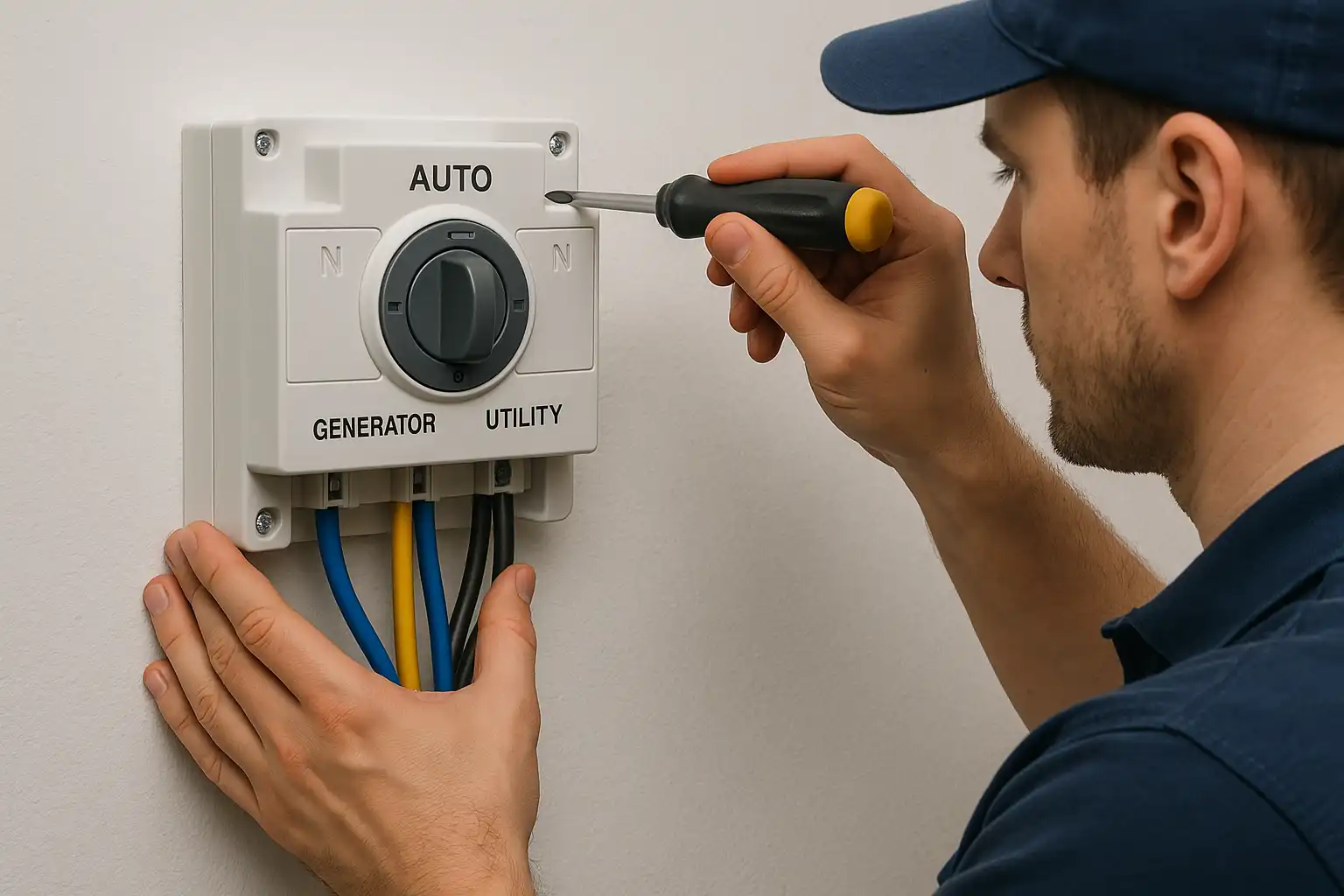
A Generator ATS(Automatic Transfer Switch) is a device that switches power from the main source to a backup generator. It helps keep electricity flowing when the main power goes out.
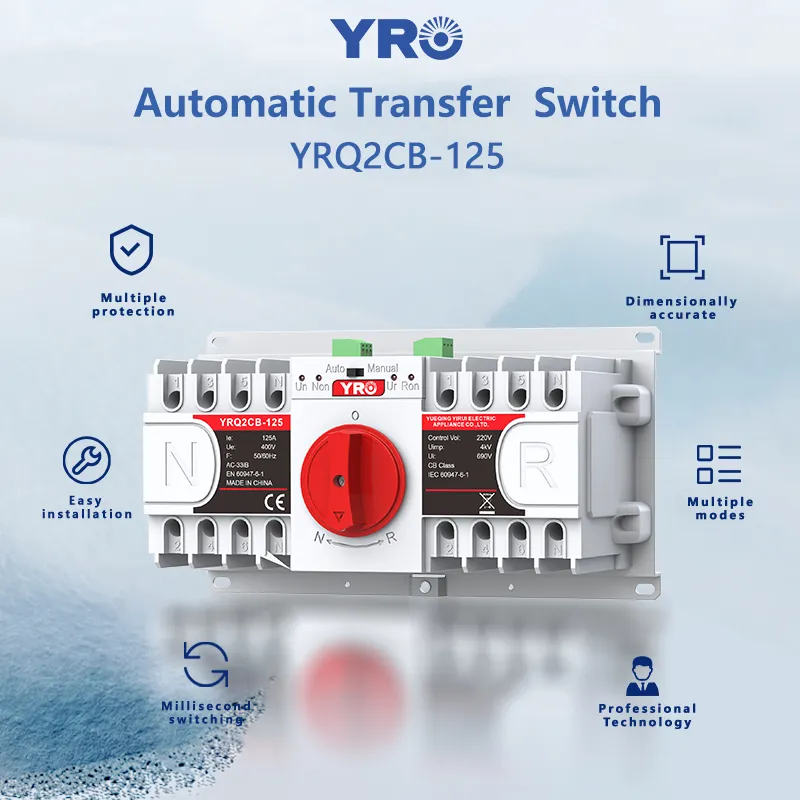
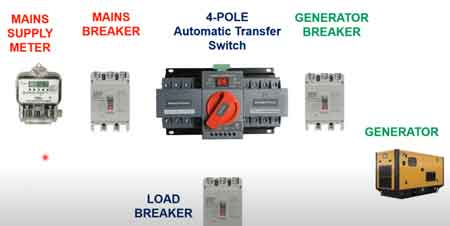
Basic Components
- Power source inputs:Connections for main power and generator.
- Transfer switch:Moves the load between power sources.
- Control panel:Monitors power and controls the switch.
- Relays and sensors:Detect power loss and activate the generator.
How It Works
The ATS watches the main power. When power stops, it signals the generator to start.
Once the generator runs, the ATS switches the load to the generator power. When main power returns, the ATS switches back to it and stops the generator.
Credit: www.onesto-ep.com
Benefits Of Using Ats With Backup Power
Automatic Power Transferensures the generator starts instantly when power fails. This switch moves the load without human help. It means no delay in power supply, keeping devices running smoothly.
Improved Safetyis a major benefit. The ATS avoids dangerous manual switching. It also protects appliances from power surges and electrical faults.
Reduced Downtimehelps businesses and homes stay powered. There is no need to wait for manual intervention. This keeps operations steady and prevents loss of work or data.
Choosing The Right Ats For Your Generator
Choosing the right ATS depends on power capacity. The ATS must handle the total load of your backup power system. Check the generator’s output and the main power source’s rating. The ATS should support the highest power needs without damage.
Compatibilityis important. Make sure the ATS matches your generator type and electrical system. Different generators need different ATS designs. Compatibility ensures smooth switching and prevents failures.
Consider these featuresin an ATS:
- Fast transfer time to avoid power loss
- Manual override for emergencies
- Automatic testing to check function regularly
- Durability for outdoor or harsh conditions
Installation Process
Before installing the Generator ATS, ensure the main power is off. Use safety gloves and goggles to protect yourself. Check the site for any water or moisture to avoid accidents. Have all tools and equipment ready for smooth installation.
Connect the ATS to the main power supply and the generator. Follow the wiring diagram carefully. Use the correct wire size to handle the load safely. Tighten all connections to avoid loose contacts. Ground the ATS properly to prevent electric shock.
Switch on the main power and generator. Observe the ATS switching between power sources. Listen for unusual noises or sparks. Test the transfer switch under load to ensure it works correctly. Fix any issues before finalizing the setup.
Operating The Generator Ats
The Automatic Transfer Switch (ATS)switches power sources between utility and generator. In manual mode, you control when to switch power. This mode needs you to start and stop the generator yourself. Automatic modelets the ATS detect power loss and switch power without help.
Start the generator by following the manufacturer’s instructions. Wait for it to reach full speed and stable power output. Then, switch the load from utility to generator. To stop, switch back the load to utility first. After the load is off the generator, turn off the generator safely.
| Task | What to Do | Why |
|---|---|---|
| Monitor Voltage | Check voltage levels regularly | Ensures power is stable and safe |
| Check Frequency | Keep frequency within limits | Prevents damage to equipment |
| Inspect ATS | Look for wear or faults | Maintains smooth switching |
| Test Generator | Run the generator periodically | Confirms readiness during outages |
Maintenance Tips For Longevity
Regular checks keep your generator ATSworking well. Inspect all parts for wear or damage. Look for loose wires and corrosion. Tighten any loose connections.
Cleaning is key. Remove dust and dirt from the ATS and backup power system. Use a soft brush or cloth. Avoid water or harsh chemicals.
Lubricate moving parts to prevent rust and wear. Use the correct oil or grease as the manual says.
Troubleshooting common issues helps avoid big problems. Listen for strange sounds or smells. Check if the ATS switches power smoothly. If it doesn’t, test the battery and control board.
- Check fuses and circuit breakers
- Ensure sensors work properly
- Reset the system if it freezes
- Replace worn parts promptly
Common Problems And Solutions
Power transfer failureshappen when the ATS cannot switch power sources. Causes include loose wiring, faulty switches, or low battery voltage. Check all connections and ensure the battery is charged. Test the transfer switch to confirm it moves power smoothly.
Electrical faultssuch as short circuits or overloads may stop the ATS from working. Inspect circuit breakers and fuses for damage. Replace any blown fuses and reset breakers. Use a multimeter to find wiring issues.
Generator ATS not respondingcan mean control panel problems or communication errors. Restart the ATS and generator control panels. Verify the control cables are intact. Check for error codes on the display and consult the manual for fixes.
Credit: www.yroenergy.com
Safety Precautions When Using Ats
Always wear insulated gloves when handling electrical parts. Make sure the power is off before touching any wires or switches. Use tools with insulated handles to avoid shocks. Never touch live wires with bare hands. Keep the area dry to prevent electric accidents. Follow the manufacturer’s instructions carefully.
Have an emergency plan ready. Know how to shut off power quickly. Keep a fire extinguisher nearby, rated for electrical fires. Stay calm and call for help if something goes wrong. Train everyone on what to do during power failures or faults.
| Action | Purpose |
|---|---|
| Regular inspection of ATS and generator | Prevent unexpected failures |
| Use surge protectors | Protect equipment from voltage spikes |
| Secure connections tightly | Avoid loose wires causing damage |
| Keep ATS clean and dry | Prevent corrosion and short circuits |
Upgrading And Integrating Ats Systems
Upgrading an ATS system helps connect it with backup power. This ensures power flows smoothly during outages. Integration with new systems keeps your setup reliable and safe.
Adding remote monitoring lets you check your ATS from far away. You can see status updates and get alerts on any problems. This saves time and helps fix issues fast.
- Automatic switching between main power and generator
- Real-time alerts for power failures
- Data logging for maintenance records
- Control ATS settings remotely
Smart ATS features include easy controls and safety checks. These features keep your power system running without trouble. They also reduce manual work and errors.
Future-proofing your setup means planning for upgrades and growth. Choose ATS systems that support new technology and more power. This helps avoid costly replacements later.
Credit: electricityforum.com
Frequently Asked Questions
What Is A Generator Ats And Why Use It?
A Generator ATS (Automatic Transfer Switch) automatically switches power from the main source to the generator during outages. It ensures seamless backup power without manual intervention, enhancing safety and convenience for homes or businesses.
How Does An Ats Work With Backup Power?
An ATS detects power loss from the main supply and instantly switches to generator power. When the main power returns, it safely switches back, ensuring continuous electricity without interruptions or damage to connected devices.
Can I Install A Generator Ats Myself?
Installing a Generator ATS requires electrical expertise and should comply with local codes. It’s best to hire a licensed electrician to ensure proper, safe installation and optimal operation with your backup power system.
What Are The Benefits Of Using An Ats With A Generator?
Using an ATS offers automatic power switching, improved safety, convenience, and prevents generator overload. It protects appliances by providing a stable power source during outages, reducing downtime and manual effort.
Conclusion
Using a generator ATS keeps your backup power ready and smooth. It switches power automatically during outages without delay. This helps protect your home and devices from damage. Regular checks ensure the system works when needed most. Simple setup and maintenance save time and stress.
Remember, safety matters—always follow instructions carefully. With an ATS, you stay powered without hassle. Reliable power means peace of mind every day.