Imagine you’re in the middle of an important project, or perhaps enjoying a cozy evening with your family, and suddenly, the power goes out. Frustrating, right?
That’s where a generator cable becomes your best friend. It’s your lifeline to continuous power when you need it most. But how do you use it effectively to ensure a seamless power supply? Understanding the ins and outs of generator cables can save you from those inconvenient interruptions and keep your devices running smoothly.
In this guide, we’ll uncover the secrets to mastering your generator cable, ensuring you’re never left in the dark again. Ready to take control of your power supply? Let’s dive in and explore how you can make the most of your generator cable for uninterrupted energy.
Choosing The Right Generator Cable
Choosing the right generator cableis key for a steady power supply. There are different types of generator cablesto pick from. Some are designed for heavy power loads, others for lighter use.
| Type | Description | Best Use |
|---|---|---|
| Extension Cords | Flexible and easy to move | Temporary and light power needs |
| Power Cables | Thicker wires for high power | Continuous and heavy power supply |
Cable gauge and lengthaffect power flow. A thicker cable (lower gauge) carries more power safely. Keep the cable length short to avoid power loss.
Material and durabilitymatter for safety. Copper wires are common and good conductors. The cable’s outer layer should protect against weather and damage.

Credit: www.vevor.ca
Preparing For Connection
Start by checking the generator cablefor any cuts or damage. Make sure the cable’s plugs are clean and dry. Look over the generatorfor oil leaks or loose parts. Use only cables rated for the generator’s power output.
Place the generator on a flat, dry surface. Keep it at least 10 feet awayfrom any doors or windows. This helps avoid carbon monoxide buildup inside your home. Ensure the area is well ventilated and free from anything flammable.
- Wear gloves and safety glasses during setup.
- Do not touch the generator or cable with wet hands.
- Keep children and pets away from the working area.
Connecting The Generator Cable
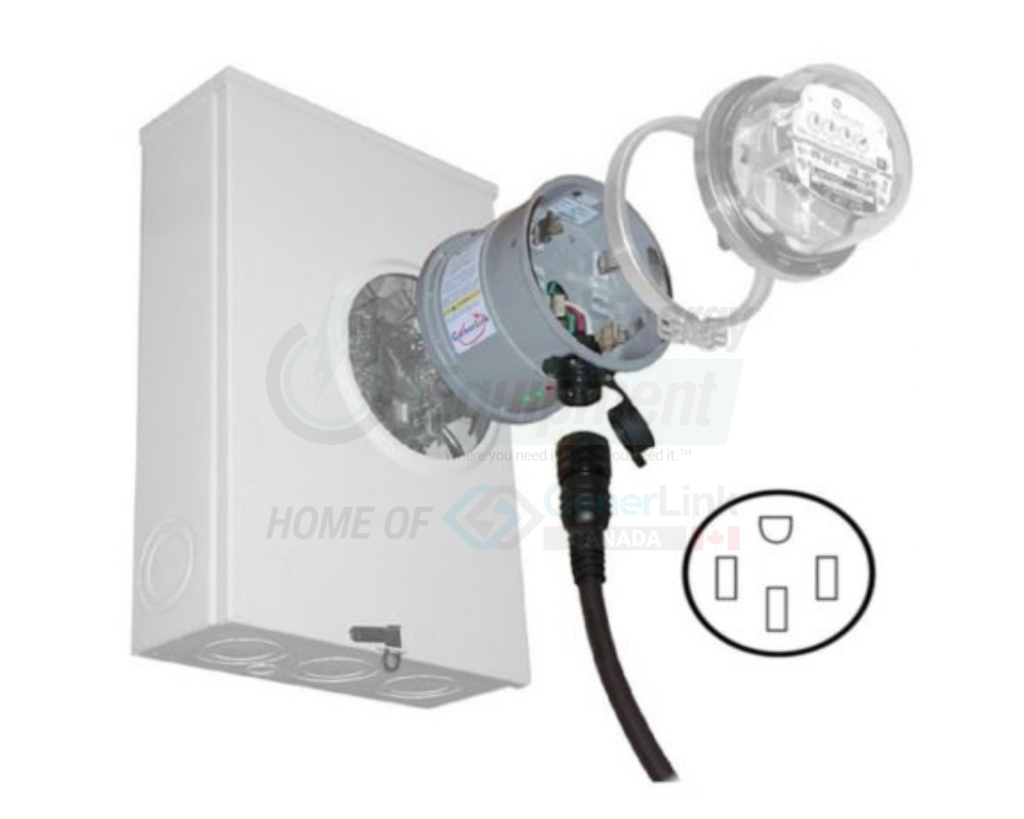
Start by turning off the generator. This ensures safety while connecting the cable. Locate the generator’s power outlet. Plug the generator cable firmly into this outlet. Make sure the connection is tight to avoid power loss.
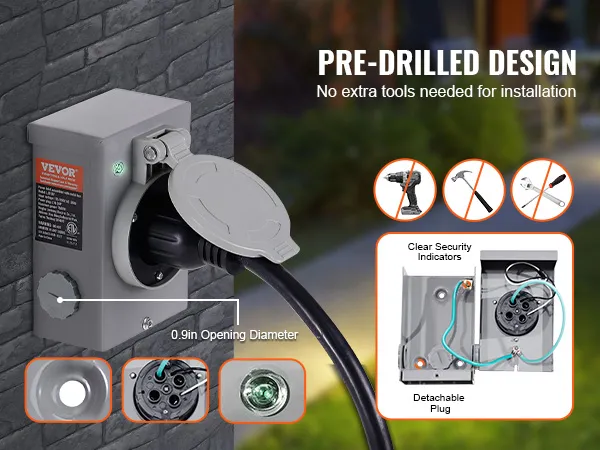
Next, find the power source plug or inlet where the cable will connect. It could be a power inlet box or a transfer switch. Insert the other end of the generator cable into this power source. Ensure it fits snugly to maintain a good connection.
Securing the connections is very important. Use cable ties or clamps to hold the cable in place. Check that the cable is not loose or hanging. This prevents accidents or disconnections during use.
Operating The Generator Safely
Start the generator in a clear and open area. Connect the generator cable firmly to both the generator and the power source. Make sure the generator switch is off before starting. Pull the starter cord or press the start button gently. Let the generator warm up for a few minutes before use.
Keep an eye on the power load to avoid overloading. Use a power meter or monitor the devices connected. Turn off some devices if the load is too high. This helps prevent damage to the generator and connected devices.
| Fuel and Maintenance Tips |
|---|
| Check fuel levels before and during use to avoid running out. |
| Use fresh, clean fuel for best performance. |
| Change the oil regularly to keep the engine running smoothly. |
| Clean the air filter to prevent dust and dirt from entering. |
| Inspect cables and connections for wear and damage often. |
Troubleshooting Common Issues
Power fluctuationscan cause damage to devices. Use a voltage stabilizerto keep power steady. Check all connectionsfor tightness. Loose connections often cause flickering or power loss.
Inspect the cable regularly for cuts, cracks, or burns. Avoid using damaged cables as they can cause short circuitsor fires. Replace cables if the outer layer is worn or the wires are exposed.
| Problem | Solution |
|---|---|
| Overloaded generator | Reduce the number of devices connected. Use only essential equipment. |
| Frequent shutdowns | Check for blockages in fuel or air filters. Clean or replace filters. |
| Overheating | Ensure proper ventilation. Avoid placing the generator in tight spaces. |
Credit: www.vevor.ca
Extending Cable Life
Proper storage helps extend the lifeof generator cables. Keep cables coiled neatly without tight bends. Store them in a dry place away from direct sunlight. Avoid placing heavy objects on the cables to prevent damage.
Regular inspection and cleaning are important. Check cables for cuts, cracks, or exposed wires. Clean dirt and dust using a soft cloth. Do not use water or harsh chemicals on the cables.
- Avoid exposure to rain or moisture, which can cause electrical faults.
- Protect cables from extreme heat or cold to prevent material wear.
- Keep cables away from sharp objects and animals that may chew on them.

Credit: www.reddit.com
Frequently Asked Questions
What Type Of Cable Is Best For Generator Power Supply?
Use heavy-duty, outdoor-rated generator cables. Look for cables with proper gauge and insulation to handle continuous power safely and efficiently.
How To Connect A Generator Cable Properly?
Ensure the generator is off. Connect the cable firmly to the generator’s outlet and the power inlet box. Secure connections prevent power loss and hazards.
Can Generator Cables Support Continuous Power Supply?
Yes, if the cable is rated for continuous use and matches your generator’s power output. Always follow manufacturer guidelines to avoid overheating.
How To Maintain Generator Cables For Longevity?
Store cables in a dry, cool place. Regularly inspect for cuts or damage and clean connectors to ensure safe and reliable operation.
Conclusion
Using a generator cable ensures your power stays steady and safe. Connect the cable firmly to avoid any sparks or shorts. Always check the cable for damage before use. Choose the right cable size for your generator’s power needs. Keep the cable dry and away from heat sources.
This simple step helps prevent power loss or accidents. With the right care, your generator cable will work well for a long time. Continuous power becomes easy and reliable with proper cable use. Stay prepared and keep your devices running smoothly.