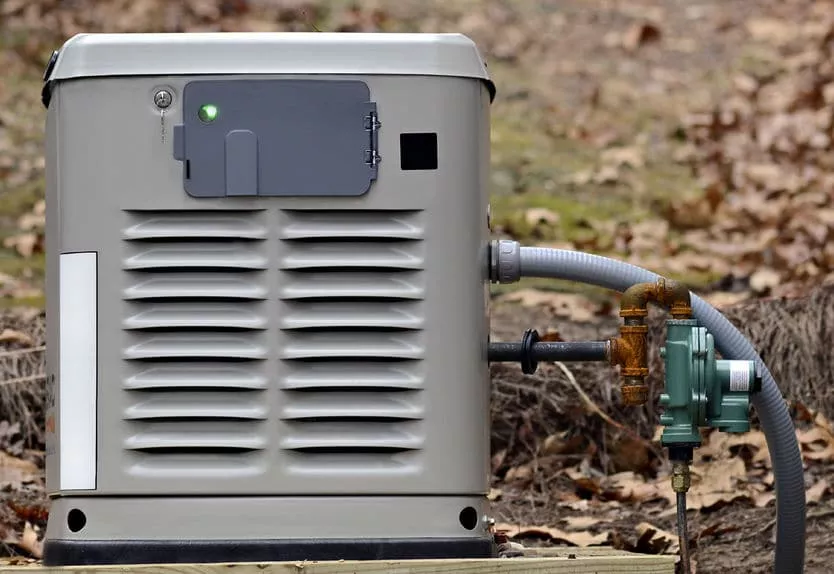
Imagine the lights go out, your phone battery is dwindling, and you’re left in the dark, literally. This is where knowing how to use a generator cable for emergency backup becomes your superpower.
You might feel a sense of panic at first, but fear not. With the right knowledge, you can keep your essential devices running smoothly during unexpected power outages. This blog post is crafted to guide you, step-by-step, through the process of setting up a generator cable correctly.
By the end, you’ll feel empowered and prepared for any power disruption that comes your way. Ready to transform a potential crisis into a manageable situation? Let’s dive in.
Choosing The Right Generator Cable
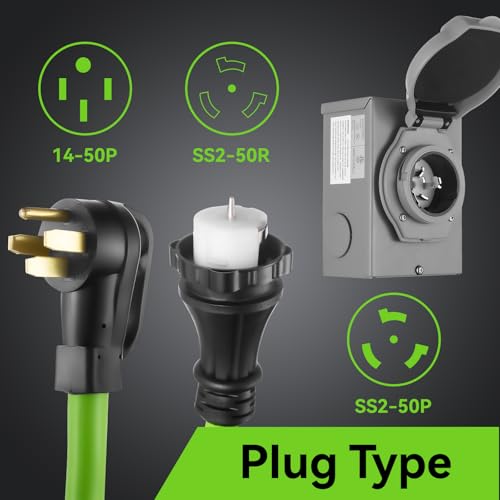
Selecting the right generator cableis essential for safe and reliable power backup. The cable must match the generator’s power output and the devices connected to it.
Cable typesinclude copper and aluminum. Copper cables offer better conductivity and durability. Choose cables with appropriate ratingsfor voltage and current capacity. This prevents overheating and damage.
Length and gaugeaffect performance. Longer cables cause voltage drops. Using a thicker gauge reduces power loss. Always pick a gauge that supports your generator’s load and cable length.
| Length (feet) | Recommended Gauge (AWG) | Typical Use |
|---|---|---|
| 0-25 | 12 | Small generators, light loads |
| 26-50 | 10 | Medium generators, moderate loads |
| 51-100 | 8 | Large generators, heavy loads |
Weather resistanceis critical. Choose cables with UV protectionand waterproof insulation. This keeps cables safe during rain or sun exposure.
Credit: hosteriamivida.com.ar
Preparing Your Generator Setup
Place the generator outdoorsin a dry, well-ventilated area. Keep it away from doors, windows, and vents to avoid carbon monoxide risks. Use a level surface to prevent fuel spills and damage.
Check the generator cablefor any cuts, cracks, or loose connections. Use cables rated for the generator’s power output. Replace damaged cables immediately to avoid hazards.
Always turn off the main powerat the breaker box before connecting the generator. This prevents backfeed, which can cause injury or damage to utility workers and equipment. Confirm all switches are off before starting the generator.
Connecting The Generator Cable
Attach the generator cablefirmly to the generator and your home’s power inlet. Loose connections can cause sparks or power loss. Check plugs and sockets for dirt or damage before use.
Secure all connections with cable ties or clamps to prevent movement. This helps avoid accidental disconnections during use. Keep cables away from water and heat sources to stay safe.
| Common Cause | How to Avoid |
|---|---|
| Overloading the cable | Know your generator’s wattage limits and don’t exceed them |
| Using damaged cables | Inspect cables before use and replace if any cuts or frays appear |
| Improper grounding | Ensure proper grounding to prevent electrical shocks |
Operating The Generator Safely
Start the generator in an open, well-ventilated area. Connect the generator cable firmly to both the generator and the device. Turn on the fuel supply, then start the generator engine. Let it run for a few minutes to stabilize before connecting any appliances.
Keep an eye on the load to avoid overloading the generator. Use a watt meter or the generator’s built-in meter to monitor power output. Adjust the load by unplugging some devices if the output gets too high. This helps prevent damage and ensures smooth operation.
A transfer switch safely connects the generator to your home’s electrical panel. It prevents backfeeding, which can harm utility workers and damage equipment. Always use a transfer switch for permanent or frequent generator use. This switch makes switching power sources safe and easy.
Maintaining And Storing Cables
Regularly check generator cables for cuts, cracks, or worn spots. Damaged cables can cause fire or electric shock. Look for loose connectionsand make sure plugs fit tightly. Avoid using cables with exposed wires.
Keep cables clean by wiping with a dry cloth. Do not use water or harsh chemicals. Protect cables from extreme heat, moisture, and direct sunlight. Cover plugs with plastic capsduring storage to keep dirt out.
- Store cables in a cool, dry place.
- Coil cables loosely to prevent bending or kinks.
- Use hooks or reelsto hang cables off the floor.
- Keep cables away from sharp objects.
- Label cables for easy identificationduring emergencies.

Credit: www.duthiepower.com
Troubleshooting Common Issues
Identifying faulty cablesis key to safe generator use. Look for visible damagelike cuts, burns, or cracks. Check if the cable feels warm or smells strange. Use a cable testerto find hidden breaks. Avoid using cables with any damage to prevent hazards.
Power fluctuations can cause equipment damageand power loss. Make sure cables are firmly connected. Use surge protectorsto shield devices. Avoid using cables that are too thin or too long. These can cause voltage drops and unstable power flow.
- Call a professional if cables show persistent issues.
- Seek help if unsure about installation safety.
- Professionals can test cables with special tools.
- Do not attempt repairs on live cables.

Credit: www.jackery.com
Frequently Asked Questions
What Type Of Generator Cable Is Best For Emergency Backup?
Use heavy-duty, weather-resistant cables with appropriate gauge for your generator’s power output. This ensures safety and efficient power transfer during emergencies.
How Do I Safely Connect A Generator Cable?
Always turn off the generator and appliances before connecting. Use proper plugs and avoid overloading to prevent electrical hazards.
Can I Use Any Extension Cable With A Generator?
No, only use cables rated for generator power. Regular extension cords may overheat and cause fire risks.
How Long Can A Generator Cable Be For Backup Use?
Keep cable length as short as possible, ideally under 50 feet, to reduce power loss and maintain efficiency.
Conclusion
Using a generator cable safely keeps your power steady during outages. Always check the cable for damage before use. Connect the cable firmly to avoid sparks or shorts. Keep the generator outside to stop carbon monoxide risks. Practice these steps to protect your home and family.
With proper care, your backup power will work when needed. Stay prepared, stay safe, and keep the lights on. Simple tips make a big difference in emergencies.