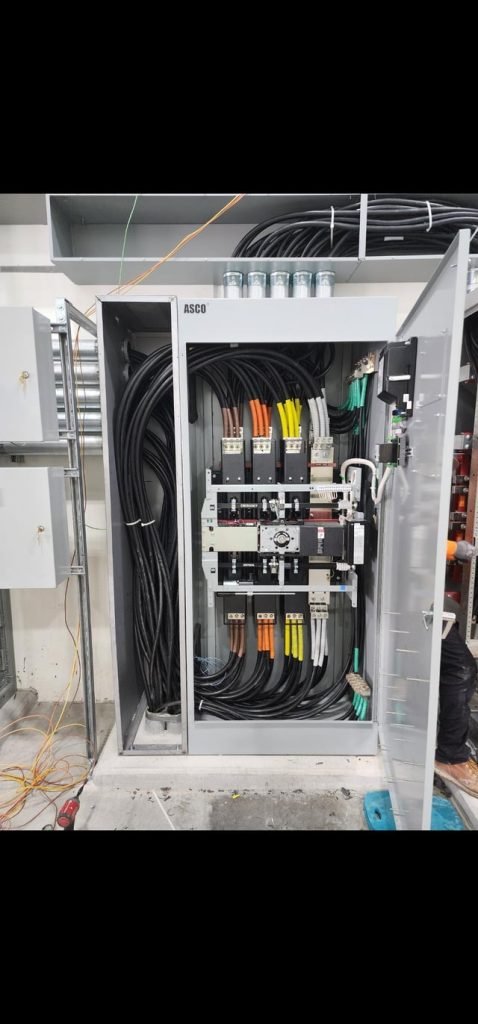
Imagine your industrial generator as the heart of your operation, tirelessly pumping power to keep everything running smoothly. But even the strongest heart needs its arteries, and that’s where generator cables come into play.
Without the right cables, your generator’s power can’t reach where it’s needed most. Do you ever wonder if you’re using the right generator cable or if you’re maximizing its potential? You’re not alone. Many are unsure about the best practices for using generator cables, and this uncertainty can lead to inefficiencies or even costly downtime.
By diving into this guide, you’ll gain clarity and confidence in connecting your generator with precision and safety. Keep reading to unlock the secrets of optimizing your industrial generator’s performance with the right cables and ensure your operations never miss a beat.
Choosing The Right Generator Cable
Choosing the right generator cableis key for safe and efficient power delivery. Industrial generators need cables that fit their power output and use.
Cable types for industrial generatorsinclude copper and aluminum options. Copper cables carry electricity better but cost more. Aluminum cables are lighter and cheaper but less conductive. Select cables designed for high power loadsand outdoor use.
Gauge and length considerationsaffect cable performance. Thicker cables (lower gauge numbers) carry more current safely. The longer the cable, the more voltage can drop. Always choose a cable gauge that matches the generator’s current and keep cables as short as possible.
Insulation and durability factorsmatter in harsh environments. Use cables with strong insulationthat resists heat, water, and oil. Look for cables rated for industrial settingsto avoid damage and maintain safety.

Credit: www.amazon.com
Preparing The Generator And Cable
Check the generator terminalsfor any signs of rust, dirt, or damage. Clean the terminals with a dry cloth to ensure a good connection. Loose or corroded terminals can cause power lossor damageto the generator and cable.
Inspect the generator cablecarefully. Look for cracks, cuts, or exposed wires. Make sure the insulation is intact to avoid electric shocksor short circuits. Replace any cable that shows wear or damage.
Follow these safety precautionsbefore using the cable:
- Wear protective glovesand eyewear.
- Ensure the generator is turned offbefore connecting cables.
- Keep the cable away from wateror wet surfaces.
- Do not use damaged or frayed cables.
- Keep children and pets away from the setup area.
Connecting The Cable To The Generator
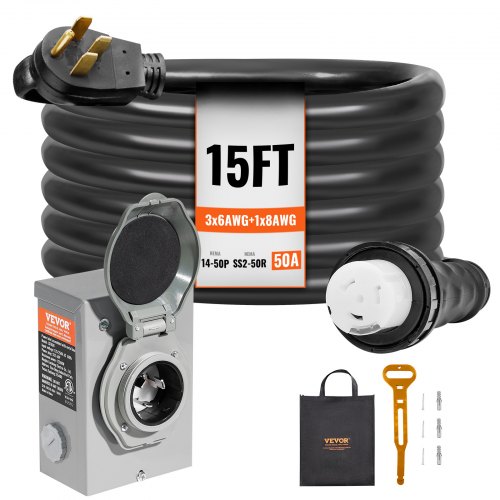
Proper terminal connectionsare key for safety and efficiency. Use the right tools to strip the cable ends carefully. Make sure no wires are cut or damaged. Connect the cable wires to the correct terminals on the generator. Tighten the terminal screws firmly but do not over-tighten. Loose connections can cause sparks or overheating.
Securing cable endsprevents accidents and damage. Use cable clamps or ties to hold the cable steady near the terminals. This stops movement that can loosen the connection. Check the cable insulation for any cuts or wear. Replace the cable if the insulation is damaged.
- Avoid mixing wire colors; match them correctly to terminals.
- Do not twist wires together before connecting.
- Keep terminals clean and free of rust or dirt.
- Do not force cables into too small terminals.
- Use proper cable size for the generator’s power output.
Credit: www.vevor.com
Operating The Generator With Cable
Before starting the generator, check that the cable connectionsare secure. Use cables rated for the generator’s power output. Turn on the generator gently to avoid sudden electrical surges. Always wear protective gloveswhen handling cables.
Watch the cable closely during use. Look for any signs of overheating, such as melting or a burning smell. Keep the cable away from water and sharp objects. Use a cable testerto check performance regularly.
- Do not overload cables beyond their maximum current rating.
- Use surge protectors to guard against power spikes.
- Disconnect cables immediately if you notice any sparks or unusual heat.
- Keep spare cables ready for quick replacement in case of damage.
Maintaining And Storing Generator Cables
Cleaning generator cablesregularly removes dirt and grime. Use a soft cloth and mild detergent to wipe the cables gently. Avoid harsh chemicals that can damage the cable’s insulation. After cleaning, dry cables thoroughly before storage.
Inspect cablesfor cuts, cracks, or exposed wires. Look for signs of wear at connectors and plugs. Damaged cables can cause power loss or safety hazards.
- Store cables in a cool, dry place away from direct sunlight.
- Coil cables neatly to avoid kinks or tangles.
- Use cable ties or reels to keep cables organized.
- Avoid placing heavy objects on stored cables.
| When to Replace | Signs |
|---|---|
| Visible damage | Cracks, cuts, exposed wires, frayed insulation |
| Performance issues | Power loss, intermittent connection, overheating |
| Connector damage | Loose, bent, or corroded plugs |
Credit: pleavinpower.co.uk
Frequently Asked Questions
What Is A Generator Cable Used For Industrial Generators?
A generator cable connects an industrial generator to equipment or power distribution. It safely transfers electricity from the generator. The cable must handle the generator’s voltage and current capacity to avoid hazards or damage.
How Do I Select The Right Generator Cable Size?
Choose a cable size based on the generator’s power output and distance to load. Larger cables reduce voltage drop and overheating. Always consult the generator manual or a professional for accurate sizing.
Can I Use Regular Extension Cords With Industrial Generators?
No, regular extension cords are not suitable for industrial generators. Industrial generator cables are designed for higher power loads and safety. Using improper cords risks electrical faults, fire, and equipment damage.
How Should I Connect Generator Cables Safely?
Ensure the generator is off before connecting cables. Use appropriate connectors and secure all connections tightly. Follow manufacturer guidelines and inspect cables regularly for wear or damage.
Conclusion
Using the right generator cable keeps your industrial generator safe and working well. Always choose cables that fit your power needs and environment. Check the cable for damage before each use. Connect it firmly to avoid power loss or accidents.
Proper cable use saves money and prevents downtime. Keep your generator running smoothly with simple cable care. Safety first, every time.