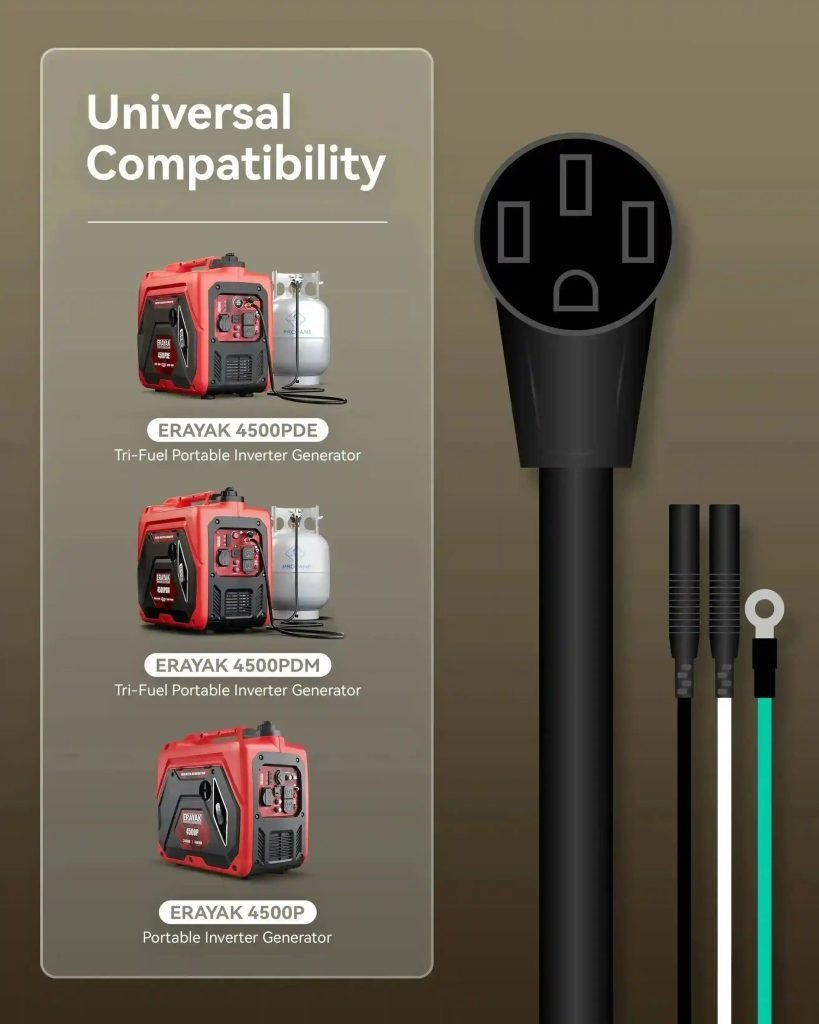
Imagine you’re in the middle of a camping trip, surrounded by nature’s beauty, when suddenly, your phone battery dies, and your coffee maker won’t start. Frustrating, right?
But what if there was a simple solution to keep your devices powered up, no matter where you are? Enter the magic of using a generator cable with your portable inverter generator. Whether you’re a seasoned camper or just someone who loves the convenience of portable power, understanding how to use generator cables can transform your outdoor experiences.
In this guide, you’ll discover the secrets to effortlessly connecting your generator to your essential devices, ensuring a seamless power supply whenever you need it. Curious about how this little trick can change your outdoor adventures? Keep reading to unlock the full potential of your portable inverter generator.

Credit: infrakraft.com
Choosing The Right Generator Cable
Choosing the right generator cableis key for safe and efficient power transfer. The length and gaugeof the cable affect how well electricity flows.
- Longer cables need thicker wires to avoid power loss.
- Shorter cables can be thinner but still must handle the generator’s power.
Insulation and durabilityprotect the cable from weather and damage. Look for cables with strong, weather-resistant coatings. This ensures safe use outdoors and prevents electric shocks.
Different connector typesfit various generators and devices. Match connectors to your generator’s outlets and the equipment you want to power. Proper connectors ensure a secure and stable connection.
Preparing Your Portable Inverter Generator
Check the power needsof all devices you want to run. Make sure the total wattage does not exceed the generator’s capacity. This keeps the generator safe and working well.
Look at the generator outlets. Different outlets offer different power levels and plug types. Use the correct outlet for your generator cableto avoid damage.
- Always inspect cables for cuts or wear.
- Keep cables away from water and heat.
- Connect cables only when the generator is off.
- Use ground fault circuit interrupters (GFCI)for extra safety.
Connecting The Generator Cable
Attach the generator cable firmly to the inverter generator’s outlet. Ensure the plug fits snugly without forcing it. Loose connections cause power loss or sparks.
Check the cable’s connectors for any dirt or damage before connecting. Clean them with a dry cloth if needed. Damaged cables must be replaced to avoid hazards.
- Secure the cable tightly to prevent unplugging during use.
- Avoid pulling the cable by the cord; hold the plug when disconnecting.
- Keep the cable away from water and sharp objects.
Common mistakes include using the wrong cable type or length. Using extension cords not rated for the generator’s power can cause overheating. Always use cables designed for generator use.
Operating The Generator With Cable
Connect the generator cable firmly to the inverter generator. Check the fuel level and switch the fuel valve on. Turn the choke to the correct position if the engine is cold. Pull the recoil starter gently until the engine starts. Let the generator warm up for a few minutes before connecting any devices.
Watch the output voltage and frequency on the generator display. Keep the total power load below the generator’s rated capacity to avoid damage. Use the cable to connect appliances carefully, avoiding loose connections. Regularly check the cable for any signs of wear or damage while operating.
- Turn off some devices if the generator shows overload warnings.
- Disconnect non-essential appliances to reduce the load.
- Allow the generator to cool down before restarting if it shuts off.
- Inspect cables and connections for faults before resuming use.
Maintaining Generator Cables
Check the generator cables often for any cuts, cracks, or wear. Damaged cables can cause electrical hazardsand reduce power flow. Look closely at plugs and connectors for rust or loose parts.
Keep cables clean by wiping them with a dry cloth after use. Avoid using water or harsh chemicals that can harm the cable material. Store cables in a cool, dry place away from sunlight and sharp objects to prevent damage.
Replace cables immediately if you see any signs of damage. Using broken cables can be dangerousand may harm your generator or devices. Always use cables that match the generator’s power requirements.

Credit: erayakpower.com
Safety Tips For Using Generator Cables
Always check the generator cablefor damage before use. Avoid using cables with cuts or exposed wires. Use cables rated for the generator’s powerto prevent overheating. Overheated cables can cause firesor damage equipment.
Keep cables away from water and wet surfaces to prevent electrical shocks. Connect the cable to a properly groundedoutlet or generator. Grounding reduces the risk of electric shockand equipment damage.
- Check cable insulation for cracks or wear.
- Use cables with correct power and voltage ratings.
- Keep cables dry and off the ground.
- Ensure the generator and cable are properly grounded.
- Do not overload cables; spread out electrical load.

Credit: manuals.plus
Frequently Asked Questions
What Type Of Cable Is Best For Portable Inverter Generators?
Use a heavy-duty generator cable with thick insulation and proper gauge. It ensures safe power transfer and reduces voltage drop.
How Do I Connect A Generator Cable To My Inverter?
Match the cable connectors to the inverter’s output ports. Securely tighten the connections to prevent power loss or hazards.
Can I Use A Regular Extension Cord With A Generator?
No, regular extension cords may not handle the load. Always use generator-specific cables rated for your generator’s wattage.
How Long Can My Generator Cable Safely Be?
Keep cable length under 50 feet to avoid voltage drop. Longer cables need thicker wires to maintain efficiency.
Conclusion
Using a generator cable with your portable inverter generator keeps power safe and steady. Always check the cable’s rating before use. Connect the cable firmly to avoid sparks or damage. Keep the cable dry and away from heat sources. This simple step helps your generator work better and last longer.
Following these tips makes using your generator easier and safer. Stay prepared and enjoy reliable power whenever you need it.