Imagine this: the lights go out during a backyard gathering, and your trusty generator is ready to save the day. But wait, how do you connect it safely and effectively?
Using a generator cable outdoors can be a game-changer, ensuring you never miss a beat at any outdoor event. Whether you’re camping, hosting a BBQ, or preparing for unexpected power outages, knowing the right way to handle generator cables can make all the difference.
In this guide, you’ll discover practical tips and tricks to use your generator cable outdoors confidently and safely. Stick around, because mastering this skill means you’ll always be prepared, no matter what. Ready to ensure your outdoor adventures run smoothly? Let’s dive in!
Choosing The Right Cable
Choosing the right generator cable is key for safe outdoor use. The gaugeof the cable affects how much power it can carry. Thicker cables have lower gauge numbers and can handle more electricity without heating up. The lengthmatters too; longer cables need thicker wires to avoid power loss.
Cables must be made from weather-resistant materialsto handle rain, sun, and cold. Look for cables with strong insulation and a durable outer jacket. This helps protect the wires inside from damage and keeps you safe.
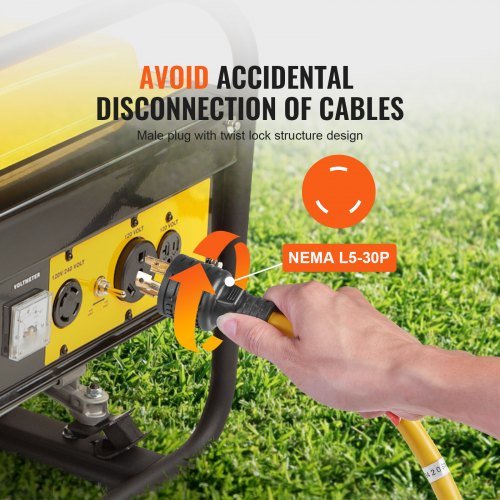
Different connector typesfit different generators and devices. Make sure the connectors match both your generator and what you want to power. Some common types include twist-lock and standard plugs. Using the right connector prevents accidents and power issues.

Credit: www.vevor.ca
Preparing The Cable For Outdoor Use
Check the cable for any cuts, cracks, or worn spots. Damaged cables can cause electric shocksor fail when needed most. Make sure the insulation is intactand wires are not visible. Look at the plugs for bent or broken prongs.
Coil the cable loosely to avoid kinksor damage. Use large loops to keep the cord from bending too much. Store it in a dry, cool place to prevent weather damage. Avoid sharp bends or tight coils that may break the wires inside.
- Use weatherproof covers for all connections.
- Secure plugs tightly to prevent moisture entry.
- Keep connectors elevated off wet ground.
- Wrap connections with electrical tape if needed.
Safe Installation Practices
Keep generator cables dryto avoid electric shocks and damage. Use cable covers or plastic protectors to shield cables from rain or puddles. Place cables on raised surfaces, never directly on wet ground.
- Use cable coversto prevent tripping and cable wear.
- Protect cablesfrom sharp edges and rough surfaces.
- Choose covers made of durable, weather-resistant materials.
Keep cables away from heat sources like grills or engines. Heat can melt insulation and cause shorts. Maintain at least a few feet distance from any hot object. Check cables often for signs of wear or heat damage.
Operating The Generator With Cable
Start the generator in an open area for safety. Keep the cable away from water and wet surfaces. Connect the cable firmly to the generator before turning it on. Avoid touching the cable ends during operation.
Check the cable often. Feel for heat along the cable. If the cable feels warm, pause the generator. Let the cable cool down before use. This helps prevent damage and accidents.
- Do not plug in too many devices at once.
- Know the power limit of your cable and generator.
- Keep the total power below the rated capacity.
- Overloading causes cable overheating and power failure.
Maintenance And Troubleshooting
Keep the cable cleanby wiping it with a dry cloth after use. Dirt and moisture can cause damageand reduce performance. Avoid using water or harsh chemicals. Store the cable in a cool, dry place to prevent wear and tear.
Check the cable often for cuts, cracks, or exposed wires. These can be dangerous and cause electric shockor fire. If you see damage, stop usingthe cable immediately. Repair small cuts using electrical tape, but replace the cable if damage is severe.
| Condition | Action |
|---|---|
| Minor surface dirt | Wipe with a dry cloth |
| Small cuts or cracks | Use electrical tape to cover |
| Exposed wires or deep damage | Replace the cable immediately |
| Frayed or broken connectors | Replace cable or get professional repair |

Credit: truegear.com.au
Safety Precautions
Ground Fault Circuit Interrupters (GFCIs)stop electric shocks quickly. Use GFCIs on all outdoor generator cables. They cut power fast if a fault happens. This protects people from serious injury. Test GFCIs before use to ensure they work well.
Keep children and petsaway from the generator and cables. They might trip or touch live wires. Make a clear, safe zone around the generator. Use barriers or signs if needed. Stay alert and watch children closely.
| Emergency Procedures | Action |
|---|---|
| Electric Shock | Turn off power immediately. Call for help. Do not touch the person if still in contact with electricity. |
| Fire | Use a fire extinguisher rated for electrical fires. Call emergency services if fire grows. |
| Power Failure | Check all connections. Reset GFCIs. Contact a professional if problem persists. |

Credit: www.amazon.ca
Frequently Asked Questions
What Type Of Generator Cable Is Best For Outdoor Use?
Use heavy-duty, weather-resistant cables rated for outdoor use. Look for cables with thick insulation and UV protection to prevent damage.
How Do I Safely Connect A Generator Cable Outdoors?
Ensure the generator and cable are off before connecting. Use proper connectors and keep connections dry and elevated from water sources.
Can I Leave A Generator Cable Outside Overnight?
Avoid leaving cables exposed overnight. Protect them from moisture, animals, and physical damage by covering or storing safely when not in use.
How Long Can A Generator Cable Be For Outdoor Use?
Keep cable length under 50 feet to reduce power loss. Longer cables may need thicker gauge wires for safe power delivery.
Conclusion
Using a generator cable outdoors needs care and attention. Always check the cable for damage before use. Keep the cable dry and away from water. Connect the cable properly to avoid power loss or shock. Use the right length and thickness for your generator.
Store the cable safely after use to keep it in good shape. Following these simple steps helps keep you safe and your equipment working well. Stay alert and handle the generator cable with care every time. Safety first, always.