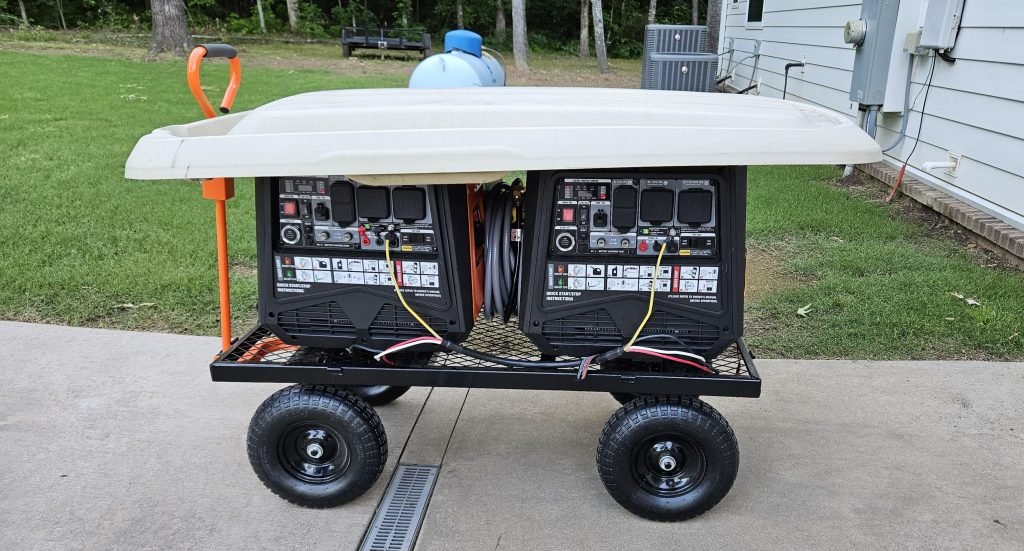
Imagine a sudden power outage during your much-anticipated outdoor event, or worse, during an emergency. You might have a generator to save the day, but is it truly protected?
Using a generator cover outdoors is more than just a precaution; it’s a smart strategy to ensure your power source remains reliable, come rain or shine. In this guide, you’ll discover how to use a generator cover effectively, keeping your equipment safe from the elements and ensuring it performs when you need it most.
Dive in, and learn how this small step can make a significant difference, giving you peace of mind and uninterrupted power.
Choosing The Right Cover
Material typesmatter for outdoor generator covers. Choose heavy-duty fabricslike polyester or vinyl. These materials block rain, snow, and dust. Look for covers with UV protectionto prevent sun damage. Breathable fabrics help stop moisture buildup inside the cover.
Size and fitare key for good protection. A cover that is too small won’t protect well. One that is too big might blow away in wind. Measure your generator’s height, width, and length. Choose a cover that fits snugly but allows easy access for maintenance.
Weather resistanceis essential. Covers should be waterproofand windproof. Check for strong seams and secure closures like zippers or straps. These keep the cover tight during storms and prevent dirt from getting in.

Credit: www.reddit.com
Preparing Your Generator
Cleaning the generator before covering is very important. Remove any dirt, dust, or oil from the surface. Use a soft cloth and mild cleaner. This helps keep the cover clean and stops damage to the generator.
Place the generator in a dry, flat spot with good drainage. Avoid low areas where water can collect. Keep it away from plants or trees that may drop leaves or sap.
Check the cover for vents or openings. These allow air to flow and stop moisture build-up. Proper ventilation prevents rust and keeps the generator in good shape.
Proper Cover Installation
Secure the cover tightly to avoid it blowing away in wind. Use straps or bungee cords to hold it firmly in place. Check the fit to ensure no gaps expose the generator.
Avoid moisture build-up by keeping the cover off the ground. Use a cover with waterproof but breathable fabric. This stops water from pooling underneath and prevents rust.
Make sure air can flow around the generator to stop overheating. Leave space around the cover’s vents. Good airflow helps the generator run safely and last longer.
Maintenance Tips While Covered
Regular inspections help spot problems early. Check the cover for tears or holes. Look for signs of wear and fix them fast. This keeps your generator safe from rain and dust.
Removing debris like leaves and dirt keeps the cover clean. Debris can block airflow and cause heat build-up. Shake off loose dirt or use a soft brush carefully. Clear the area around the generator for better protection.
Preventing mold and mildew is key to cover care. Mold grows in damp, dark places. Make sure the cover is dry before putting it back. Leave some space for air to flow under the cover. This stops moisture build-up and keeps mold away.
Additional Protection Strategies
Using tarps and canopieshelps protect your generator from rain and sun. Choose a tarp that fits well and covers the whole unit. Canopies offer better airflow while keeping the generator dry. Make sure the tarp or canopy does not block the exhaust or air vents.
Elevating the generatorkeeps it safe from water, mud, and pests. Place it on wooden blocks or a sturdy platform. This stops moisture from causing damage and improves air circulation underneath.
Storing accessories safelyis important to keep everything organized and ready. Use waterproof boxes or containers to protect cords and tools. Keep these items close but away from the generator’s heat and exhaust to avoid any hazards.

Credit: www.reddit.com
Common Mistakes To Avoid
Covering a wet generator can trap moisture inside. This causes rust and damages the engine. Always let the generator dry before placing a cover on it.
Ignoring ventilation needs blocks airflow. Without air, the generator can overheat. Use covers with vents or mesh to allow air to pass.
Using incorrect cover sizes leads to poor protection. A cover too small won’t protect well. A cover too big may flap in the wind and tear. Choose a cover that fits snugly and securely.

Credit: www.reddit.com
Frequently Asked Questions
How Do I Choose The Right Outdoor Generator Cover?
Select a cover made from durable, waterproof material. Ensure it fits your generator’s size. Look for UV protection to prevent sun damage. Proper ventilation is important to avoid overheating. A snug fit protects from rain, dust, and debris outdoors.
Can Generator Covers Prevent Weather Damage Effectively?
Yes, generator covers shield from rain, snow, dust, and sunlight. They reduce rust, corrosion, and wear on your generator. Using a cover extends your generator’s lifespan by maintaining its condition outdoors. Properly ventilated covers also prevent overheating during operation.
How To Install A Generator Cover Outdoors Correctly?
Place the cover over the generator ensuring full coverage. Secure it with straps or drawstrings to prevent wind displacement. Avoid covering exhaust or air vents. Regularly check for tears or moisture buildup. Proper installation ensures maximum protection and safe generator use.
Are Generator Covers Necessary For All Outdoor Climates?
Generator covers are essential in rainy, snowy, or dusty climates. They protect against moisture and debris that cause damage. Even in dry areas, covers shield from UV rays and dirt. Using a cover is a simple, cost-effective way to maintain your generator.
Conclusion
Using a generator cover outdoors keeps your generator safe and dry. It stops dirt and rain from causing damage. A good cover helps your generator last longer. Always choose the right size and material for your needs. Remember to check the cover often for wear or tears.
Protecting your generator means it works better when you need it. Simple steps make a big difference in generator care. Keep it covered, keep it running.