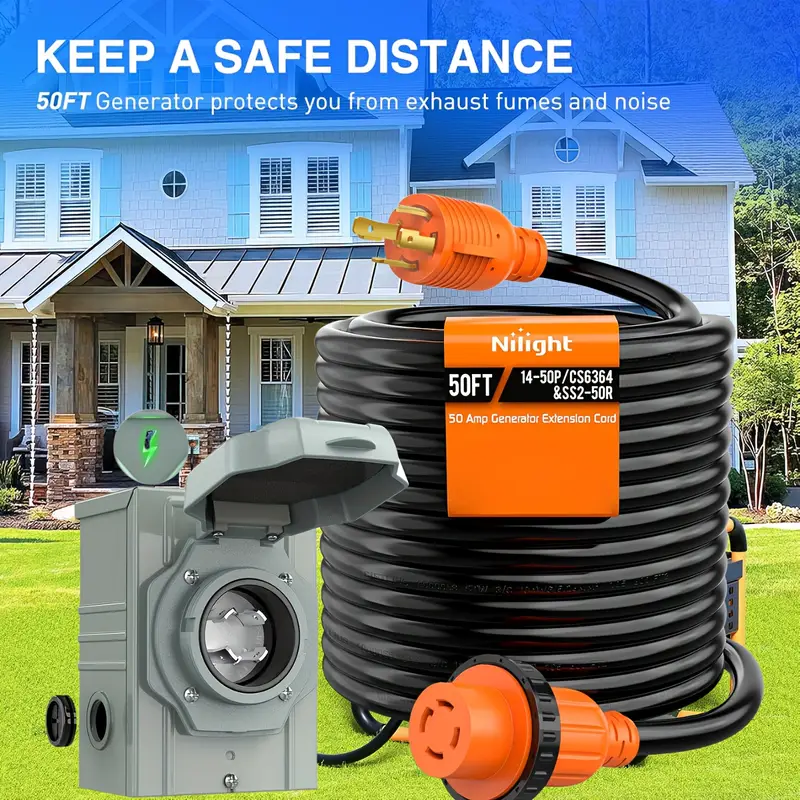
Have you ever faced the frustration of a power outage or needed to power up your outdoor activities? A generator extension cord is your best ally in these situations.
But using it outdoors requires some know-how to ensure safety and efficiency. Imagine hosting a perfect backyard party or camping trip without any hiccups in power supply. With the right techniques, you can keep your outdoor events running smoothly and avoid potential hazards.
Keep reading to discover practical tips and tricks on how to effectively use a generator extension cord outdoors. This knowledge not only empowers you but also ensures your equipment’s longevity and your peace of mind.
Choosing The Right Extension Cord
Choosing the right extension cordis key for safe outdoor use. Cord gaugeshows wire thickness; lower numbers mean thicker wires that carry more power.
Choose a cord length that fits your distance but avoid very long cords. Long cords can cause voltage drop, making your generator work harder.
| Feature | Description |
|---|---|
| Outdoor-Rated | Cords must have a weather-resistant jacketand be labeled for outdoor use. |
| Plug Type | Match the plug to your generator and devices. Look for grounded plugsfor safety. |
| Connector Type | Check connectors fit securely and are durablefor outdoor conditions. |

Credit: truegear.com.au
Preparing The Extension Cord
Check the extension cord carefully. Look for cuts, cracks, or exposed wires. Any damage can cause electric shock or fire. Do not use a cord with visible damage.
Keep the cord dry. Water and electricity are a dangerous mix. Use a cover or place the cord on a dry surface. Avoid puddles or wet grass.
- Unroll the cord fully to prevent tangles.
- Do not twist or bend the cord sharply.
- Store the cord neatly to avoid kinks.
Setting Up The Generator And Cord
Place the generatoron a flat, dry surfaceaway from doors and windows. Keep it at least 10 feetfrom your home to avoid carbon monoxidehazards. Ensure it is in a well-ventilated areato prevent overheating.
Use an outdoor-rated extension cordthat matches the generator’s power output. Connect the cord firmly to the generator’s outlet. Avoid loose connections to stop sparks and power loss. Keep the cord away from water and sharp objects.
Plug a Ground Fault Circuit Interrupter (GFCI)between the generator and the extension cord. This device stops electricity if it detects a fault. It helps protect against electric shockduring outdoor use. Test the GFCI before use to ensure it works properly.

Credit: www.amazon.com
Operating Tips For Safety
Keep cords away from water. Water can cause electric shock or damage cords. Use a dry area for connections. Elevate cords to avoid puddles or wet grass. Cover plugs with waterproof caps if possible.
Avoid overloading the cord. Check the generator and cord ratings. Do not plug in devices exceeding the cord’s capacity. Overloading causes heat and can start fires. Use multiple cords or a higher rated cord if needed.
Regularly check for heat or damage. Feel cords for warmth during use. Warm cords may mean overload or damage. Inspect cords for cracks, cuts, or exposed wires. Replace damaged cords immediately. Never use cords with visible harm.
Storage And Maintenance
After using the generator extension cord outdoors, clean it carefully. Remove all dirt and debris with a soft cloth. Avoid using water directly on the cord to prevent damage. Check for any cuts or wear in the insulation.
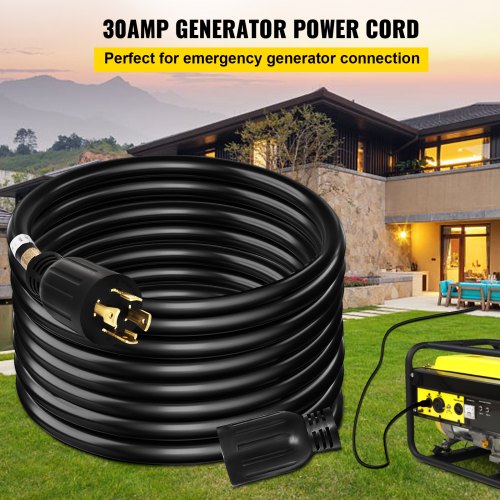
Coil the cord loosely to avoid bending or twisting. Tight coils can cause internal wires to break. Use a hook or reel to keep the cord neat and tangle-free.
Store the cord in a dry, cool place away from sunlight. Moisture can cause rust on metal parts and damage the cord. Keeping it dry extends its life and keeps it safe for future use.
Credit: www.vevor.com
Common Mistakes To Avoid
Using indoor cords outdoorscan cause serious problems. Indoor cords are not made to handle rain, sun, or dirt. They can overheat or short circuitwhen wet. Always choose cords marked for outdoor use.
Running cords under carpets or doorsis risky. This can damage the cord’s insulation, leading to electric shocks or fires. It also makes the cord hard to see and easy to trip over.
Ignoring manufacturer guidelinesmay void warranties and cause unsafe use. These rules explain how to properly use and storethe cords. Follow them to keep your equipment working and everyone safe.
Frequently Asked Questions
What Type Of Extension Cord Is Best For Outdoor Generators?
Use a heavy-duty extension cord rated for outdoor use. Look for cords with a thick gauge, weather-resistant insulation, and a UL rating. This ensures safety and efficient power delivery from your generator to outdoor appliances.
How To Safely Connect An Extension Cord To A Generator?
Always turn off the generator before connecting the cord. Use cords with proper gauge and length to avoid voltage drop. Ensure connections are tight and protected from moisture to prevent electrical hazards.
Can I Use Any Extension Cord With My Generator Outdoors?
No, only use cords designed for outdoor use and suitable power capacity. Indoor cords lack insulation and durability, increasing fire risk. Choose cords matching your generator’s output for safe operation.
How To Prevent Extension Cord Damage Outdoors?
Keep cords off the ground and away from water. Use cord covers or stakes to protect against tripping and abrasion. Inspect cords regularly for cuts or wear to maintain safety and function.
Conclusion
Using a generator extension cord outdoors needs care and attention. Choose a cord made for outdoor use and check it for damage before use. Keep connections dry and avoid overloading the cord. Use proper grounding to stay safe. Following these steps helps you run your equipment smoothly.
Stay alert and keep safety a priority at all times. This way, your outdoor power setup will work well and last longer. Safety first, always.