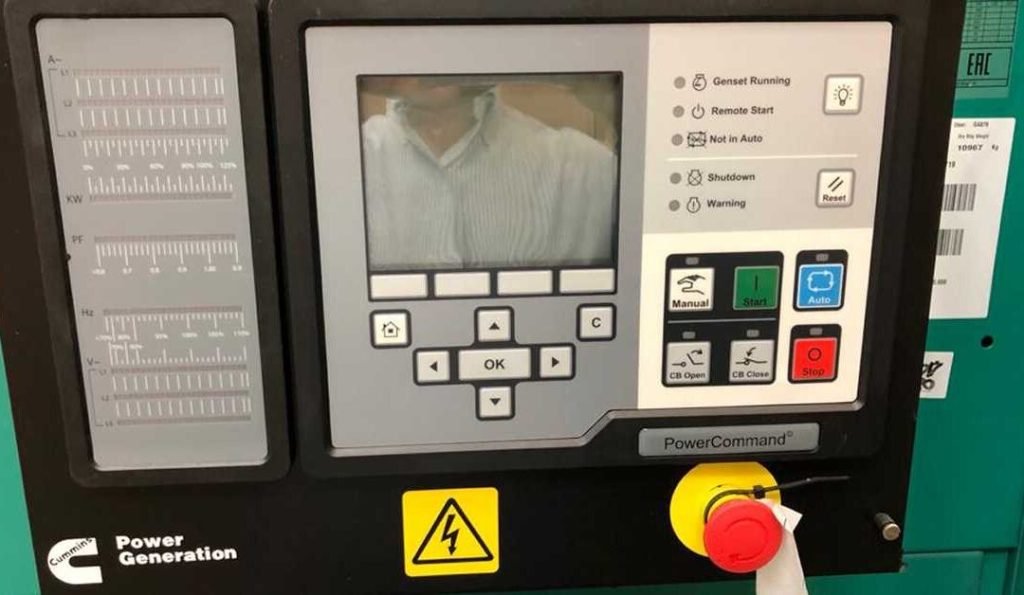
Imagine having the power to monitor and control your generator with just a few taps on your smartphone. No more guesswork, no more surprises.
You can now ensure your generator is running smoothly, saving you time and money. The secret lies in using a generator IoT monitoring system. This technology is designed to make your life easier and your generator more efficient. Curious about how it works and how it can benefit you?
Keep reading to discover how you can harness the full potential of your generator with IoT monitoring. Your journey to effortless generator management starts here.
Benefits Of Generator Iot Monitoring
Generator IoT monitoringhelps track how well your generator works. It shows data like fuel use, engine temperature, and power output. This data helps find problems early before they get worse. It also gives alerts for preventive maintenanceso you can fix small issues. This stops big breakdowns and saves time.
Using this system can reduce costs. It lowers fuel use and avoids expensive repairs. It also helps plan maintenance better, so you don’t pay for unnecessary checks or parts. Overall, it keeps your generator running smoothly and saves money.
| Benefit | Details |
|---|---|
| Improved Performance Tracking | Monitors fuel, temperature, and power for better control. |
| Preventive Maintenance Alerts | Sends warnings to fix problems early and avoid damage. |
| Cost Reduction Strategies | Reduces fuel use and repair costs by planning maintenance. |

Credit: www.avnet.com
Key Features Of Iot Monitoring Systems
Real-time data collectionlets you see generator status instantly. Sensors gather information like temperature, fuel level, and power output. This helps catch problems early and keeps the generator running smoothly.
Remote access and controlallow users to check and manage the generator from anywhere. You can start or stop the generator without being on site. This saves time and reduces the need for physical visits.
Automated reportingcreates detailed summaries of generator performance. Reports show trends, usage, and any issues. These help with maintenance planning and improve reliability.
Setting Up Your Generator Iot System
Start by placing the IoT device close to the generator for clear signals. Connect sensors to the generator’s key parts, like fuel and temperature points. Secure all wires to avoid loose connections. Use strong mounts to hold the devices steady during generator operation.
Open the IoT system software on your computer or phone. Enter your device ID to link hardware and software. Set alerts for important events like low fuel or high temperature. Choose how often the system sends data, based on your needs.
- Use Wi-Fi or Ethernet to connect the IoT device to your local network.
- Ensure the network has a stable internet connection for remote monitoring.
- Check the device’s IP address and confirm it communicates with the software.
- Test the connection by sending a data update from the device.

Credit: link.springer.com
Using The Dashboard Effectively
The main interface shows all important data at a glance. You can see generator status, fuel levels, and alerts easily. Menus are simple to use, helping you find details fast. Use the dashboard buttons to switch views or check history.
Alerts and notifications help you stay informed. You can set alerts for low fuel, temperature rise, or maintenance needs. Choose how to get alerts: email, SMS, or app notifications. Custom alerts keep you ready to act quickly.
Data visualizations turn numbers into clear charts. Look at graphs for power output, fuel use, and running hours. Colors show normal or critical states. These visuals help you spot patterns or issues fast.
Optimizing Generator Performance
Analyzing usage patternshelps spot when and how often the generator runs. This data reveals peak times and load demands. It aids in understanding fuel consumption and wear on parts. Monitoring trends can prevent unexpected breakdowns by showing early signs of problems.
Scheduling maintenancebased on real data keeps the generator in good shape. Timely oil changes, filter replacements, and inspections reduce downtime. The system can send alerts when maintenance is due, helping avoid costly repairs. Regular care extends the generator’s life and keeps it reliable.
Adjusting operational parametersoptimizes performance and fuel use. Settings like voltage, frequency, and load can be fine-tuned remotely. This ensures the generator runs efficiently under different conditions. Changes improve safety and reduce wear, saving money and energy over time.
Troubleshooting Common Issues
Connectivity problemsoften happen due to weak signals or network issues. Check the internet connection first. Restart the router or the generator’s IoT device. Make sure the device is within range of the Wi-Fi or network signal. Sometimes, updating the device software can fix connection errors.
Sensor malfunctionsmay cause wrong readings or no data at all. Clean the sensors gently to remove dirt or dust. Inspect the sensor wires for any damage or loose connections. Reboot the system to reset the sensors. If the problem stays, replace the faulty sensor.
Data inconsistenciescan confuse users. Confirm the device time is correct and synced. Check for software updates that fix bugs. Compare data with manual readings to spot errors. Clear the device cache to remove old data. Use a stable power source to avoid data loss.
Future Trends In Generator Iot Monitoring
AI integrationin generator IoT monitoring allows smart data analysis. It helps predict failures before they happen. Machines learn from past data to improve performance. This reduces downtime and saves money.
Enhanced security measuresprotect the system from cyber threats. Encrypted data and secure networks keep information safe. Regular updates and monitoring stop unauthorized access. This builds trust and reliability.
Energy efficiency innovationsfocus on reducing fuel use and emissions. IoT sensors track energy consumption in real-time. This data helps optimize generator output and lower waste. Cleaner, smarter energy management is the goal.
Credit: medium.com
Frequently Asked Questions
What Is A Generator Iot Monitoring System?
A Generator IoT Monitoring System uses sensors and internet connectivity to track generator performance. It provides real-time data on fuel levels, temperature, and runtime. This helps prevent failures and optimize maintenance schedules, ensuring reliable power supply.
How Does Generator Iot Monitoring Improve Maintenance?
It detects issues early by monitoring key parameters continuously. Alerts notify users of abnormalities, reducing downtime. Scheduled maintenance becomes more efficient, lowering repair costs and extending generator lifespan.
Can I Access Generator Iot Data Remotely?
Yes, data is accessible via web or mobile apps. Remote monitoring allows users to check generator status anytime, anywhere. This feature improves response time and helps manage multiple generators easily.
Is Generator Iot Monitoring Cost-effective?
Yes, it reduces unexpected breakdowns and costly repairs. By optimizing fuel consumption and maintenance, it saves operational costs. Over time, the investment pays off through improved efficiency and reliability.
Conclusion
Using a generator IoT monitoring system helps keep your equipment safe. It sends alerts if something goes wrong. You can check your generator from anywhere. This saves time and prevents costly repairs. Regular monitoring also improves the generator’s life. It makes managing power backup easier and smarter.
Start using this system to stay ahead of problems. Stay informed and keep your generator running smoothly. Simple steps lead to better results.