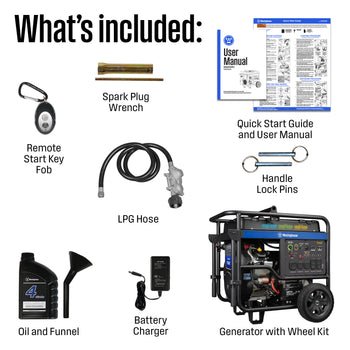
Imagine you’re in the middle of a camping trip or facing a power outage at home. Your portable generator is your lifeline, but what if it suddenly stops working?
Understanding how to use a generator sensor system can save you from these unexpected hiccups. This guide is here to help you unlock the full potential of your portable generator, ensuring it runs smoothly and efficiently whenever you need it.
By learning to use these sensors, you’ll not only extend the life of your generator but also enhance its performance. You might think these systems are complex, but with clear steps and simple explanations, you’ll see how easy it is to master this essential skill. Stay with us as we dive into the practical tips and insights that will make you a confident generator user. Your generator’s best performance is just a few steps away, and we’re here to guide you through every part of the process.
Generator Sensor System Basics
A generator sensor systemhelps monitor and protect portable generators. It tracks important parts to keep the generator safe and working well.
There are different types of sensorsused in these systems:
- Temperature sensorscheck if the engine is too hot.
- Oil level sensorsmake sure there is enough oil to run smoothly.
- Fuel sensorsmonitor the fuel amount to avoid running out.
- Voltage sensorsmeasure the power output to keep it stable.
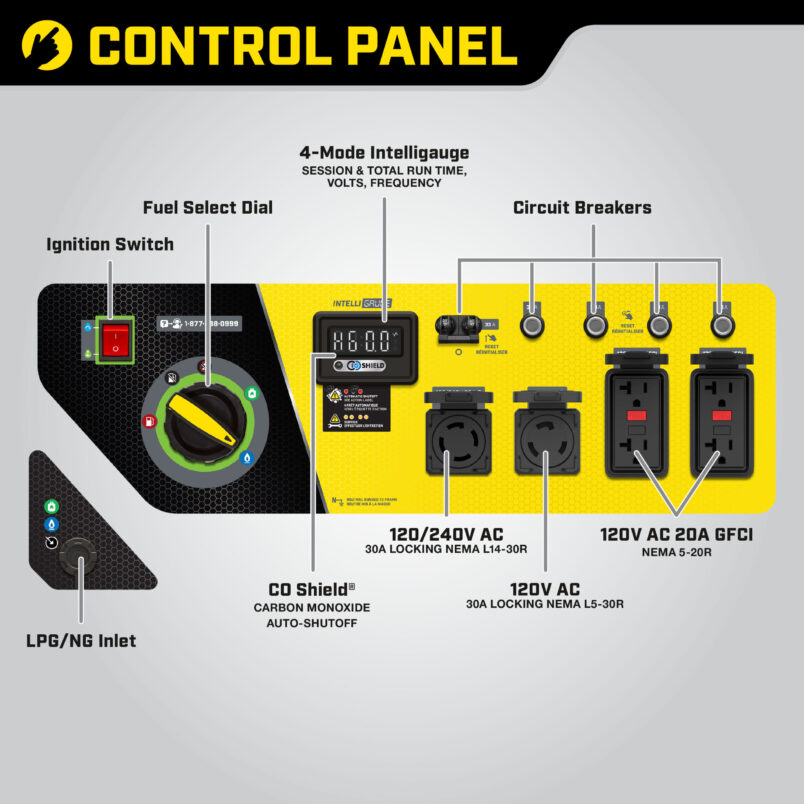
The key componentsof a generator sensor system include:
| Component | Function |
|---|---|
| Sensors | Detect engine conditions like temperature and fuel level |
| Controller | Processes sensor data and triggers alarms or shutdowns |
| Display Panel | Shows real-time information about the generator status |
Credit: www.championpowerequipment.com
Benefits Of Using Sensor Systems
Generator sensor systemsimprove safety by detecting faults early. They can alert users about overheating, low oil, or electrical issues. This helps prevent accidents and damage.
Efficiency gets a boost as sensors optimize fuel use and engine performance. Sensors help the generator run smoothly, saving energy and reducing wear.
Real-time monitoring gives instant data on generator status. Users can see power output, fuel levels, and system health anytime. This allows quick action if a problem arises.
Choosing The Right Sensor System
Choosing a sensor systemthat fits your portable generatoris key. The sensor must match the generator’s model and power. Some sensors work only with certain types of generators. This ensures the sensor reads data correctly.
Accuracymatters a lot. A precise sensor shows the real voltage, current, and temperature. This helps avoid damage or power loss. Sensors with low accuracy might give wrong information, causing problems.
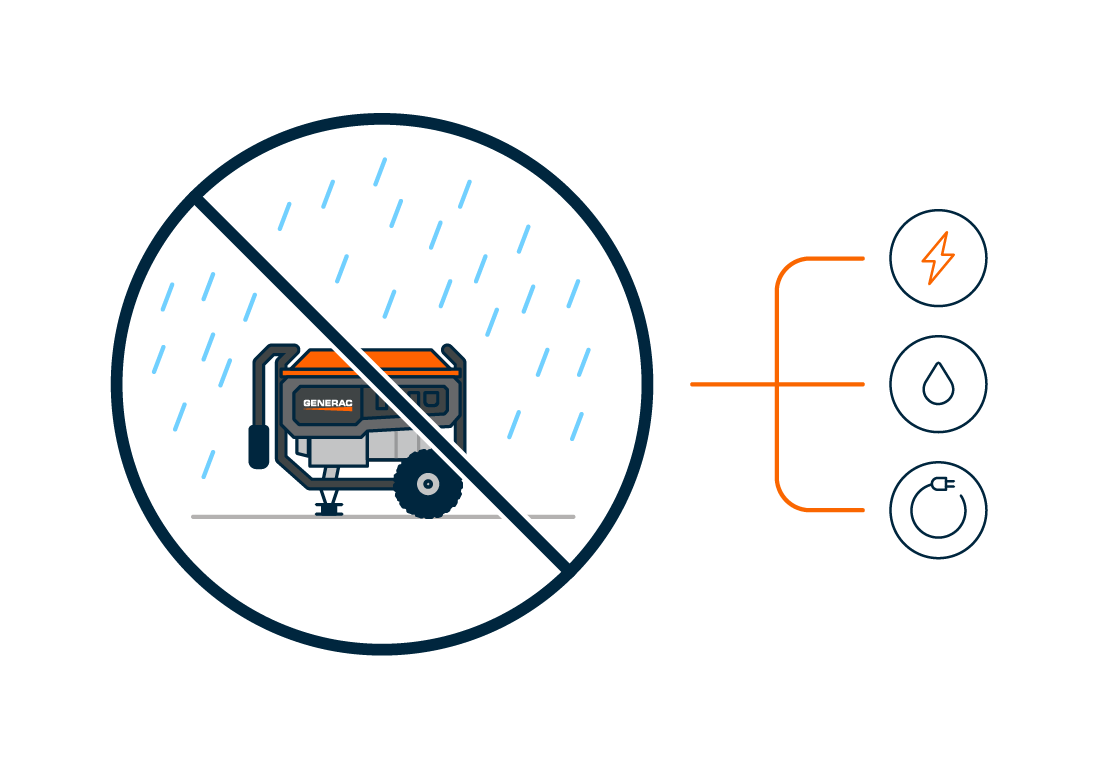
Durabilityis important too. Generators often work outdoors. The sensor should be weather-resistantto handle rain, dust, and heat. Look for sensors with strong casing and good seals. This keeps them working longer without breaking.

Credit: a-ipower.com
Installing The Sensor System
Begin by reading the sensor system’s manual carefully. Gather all tools needed, like screwdrivers and wire cutters. Check that the portable generator is turned off and cooled down.
Choose sensor mounting spots that are clean and dry. Attach sensors firmly to avoid movement or damage. Make sure sensors are close to the parts they will monitor.
Connect sensor wires to the generator’s control panel. Match wire colors or labels to the correct terminals. Secure connections tightly to avoid loose contacts. Test the sensor system by powering on the generator and watching for signals.
Calibrating And Testing Sensors
Adjusting sensitivity levelshelps the sensor detect the right signals. Set the levels low for small changes and high for bigger signals. Test the sensor after setting sensitivity to ensure it works well.
Start by running the generator and watching the sensor readings. Check if the sensor shows correct values. Use simple tools like a multimeter to verify sensor output. Repeat tests to confirm consistent results.
- Sensor does not respond: Check power supply and wiring.
- Incorrect readings: Recalibrate sensitivity and retest.
- Signal noise: Use shielded cables and check grounding.
- Sensor overheating: Ensure proper ventilation and correct placement.
Operating With Sensor System
The sensor system helps keep track of your portable generator’s key data. It shows real-time information like voltage, current, and temperature. This data helps you know if the generator works well or needs attention.
Alerts warn about problems such as overheating, low oil, or overload. Respond quickly to these alerts to avoid damage or shutdown. The sensor system sends clear signals so you can act fast.
Regular maintenance keeps the sensor system and generator in good shape. Check sensors for dirt or damage often. Clean or replace parts as needed. Follow the generator’s manual for best care tips.
Advanced Features And Integration
Remote monitoringlets users check the generator’s status from far away. This feature helps catch problems early and saves time. Alerts can be sent via text or email to keep users updated.
Integration with smart devicesallows control through smartphones or tablets. Users can start, stop, or adjust settings easily. This makes managing the generator simpler and more flexible.
Data logging and analysisstore important information about generator use. This data helps find patterns and prevent issues. Users can see when maintenance is needed or when fuel is low.
Credit: www.generac.com
Frequently Asked Questions
What Is A Generator Sensor System?
A generator sensor system monitors key parameters like voltage, temperature, and fuel levels. It helps ensure safe and efficient portable generator operation by providing real-time data and alerts.
How Do I Install A Generator Sensor System?
Installation involves connecting sensors to your portable generator’s key points, like the engine and fuel tank. Follow the manufacturer’s guide for proper wiring and sensor placement to ensure accurate monitoring.
Can Generator Sensors Improve Fuel Efficiency?
Yes, sensors track fuel consumption and engine performance. This data helps optimize generator usage, reduce waste, and improve overall fuel efficiency during operation.
How Does The Sensor System Protect The Generator?
The system alerts you to overheating, low oil, or voltage irregularities. Early warnings prevent damage, ensuring your portable generator runs safely and reliably.
Conclusion
Using a generator sensor system helps keep your portable generator safe. It monitors important parts to prevent damage. You can avoid costly repairs and downtime. The system makes running your generator easier and more reliable. Simple steps protect your investment and ensure power when needed.
Trust the sensor system to watch over your generator. Stay prepared and enjoy smooth generator operation every time.