
Imagine a storm hits, and your power goes out. But don’t worry; your standby generator is ready to jump into action.
Yet, what if there’s a way to make sure it performs perfectly every single time? That’s where the generator sensor system comes in. If you’ve ever wondered how you can maximize your generator’s efficiency and reliability, you’re in the right place.
This guide will unravel how you can leverage a generator sensor system to ensure your standby generator operates flawlessly when you need it most. You’ll discover the secrets to seamless power continuity, giving you peace of mind every time the lights flicker. Dive in, and let’s explore how you can make your power backup system smarter and more dependable.

Credit: www.ecobee.com
Generator Sensor System Basics
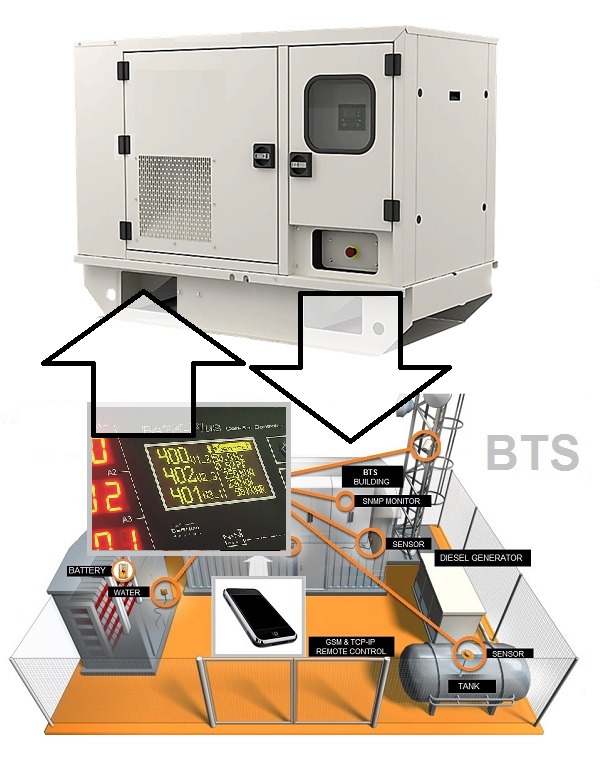
A generator sensor system helps monitor and protect standby generators. It has several key componentsthat work together to keep the generator running safely and efficiently.
- Temperature sensorscheck if the engine or parts get too hot.
- Oil pressure sensorsensure the engine has enough oil pressure.
- Fuel level sensorsmonitor the amount of fuel available.
- Voltage sensorsmeasure the electrical output to avoid damage.
- Speed sensorstrack the engine speed to maintain proper operation.
Each sensor has a specific function. Temperature sensors prevent overheating. Oil pressure sensors protect the engine from damage. Fuel sensors avoid running out of fuel. Voltage sensors keep the power steady. Speed sensors control engine performance.
Credit: bernini-design.com
Benefits Of Sensor Systems
Sensor systemsboost safetyby detecting issues early. They alert users about overheating, fuel leaks, or voltage drops. This helps prevent accidents and damage.
Efficiencyimproves as sensors monitor engine health and fuel use. They adjust settings to save fuel and reduce wear. This keeps the generator running smoothly for longer.
With preventive maintenance, sensors track performance and warn about parts needing service. Scheduled checks prevent sudden failures and costly repairs. This saves time and money.
Installation Steps
Choose a flat, dry area free from dust and water. Clear all debris. Ensure good airflow for cooling. Avoid places near strong electromagnetic fields. Check local rules for installing equipment outdoors.
Place sensors where they can easily detect generator signals. Avoid spots blocked by metal or walls. Install sensors on stable surfaces. Keep sensors away from heat sources or moisture. Use protective covers if needed.
Use proper cables for connections. Connect wires firmly to avoid loose contacts. Keep wiring neat and away from moving parts. Use cable ties to secure wires. Test all connections before powering on.
Configuring The Sensor System
The thresholdscontrol when the sensor system sends alerts. Set limits carefully to avoid false alarms. Use values that match your generator’s normal range. This helps the system detect real problems early.
Calibration ensures the sensor reads data correctly. Check the sensor output against known values. Adjust the sensor if readings are off. Repeat the process until the sensor matches expected results.
Integration with the control panel links sensor data to the generator’s operation. Connect the sensor output to the panel inputs. Configure the panel to respond to sensor signals. This allows automatic actions like shutdown or alerts.
| Step | Action | Purpose |
|---|---|---|
| Set Thresholds | Define alert limits for sensor readings | Detect abnormal conditions quickly |
| Calibrate Sensor | Adjust sensor readings to match real values | Ensure accuracy of data |
| Integrate with Control Panel | Connect sensor signals to control system | Enable automatic responses and alarms |
Monitoring And Alerts
Real-time data trackinghelps you see how the generator works every second. Sensors collect data on fuel level, temperature, and power output. This data shows if the generator runs well or needs help.
Alert typeswarn you about problems fast. These alerts can be for low fuel, high temperature, or engine failure. Alerts help prevent bigger issues by letting you fix problems early.
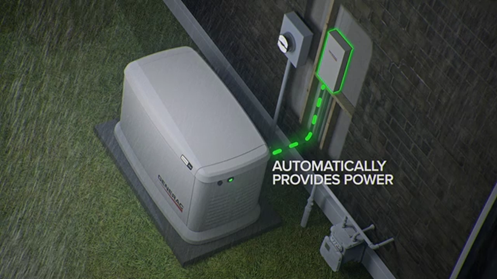
Remote monitoring optionslet you check your generator from anywhere. You can use a phone or computer to see the status. This saves time and helps you act quickly if there is a problem.
Credit: www.generac.com
Troubleshooting Common Issues
Sensor malfunctionscan cause false readings or no response. Check sensor wiring for any loose connections. Clean the sensors regularly to avoid dirt buildup. Replace faulty sensors to keep the system working well.
False alarmsmay happen due to electrical noise or bad sensor signals. Make sure all cables are shielded and grounded properly. Adjust sensor sensitivity settings if alarms trigger without real issues.
Communication errorsoccur when the sensor system fails to send data to the generator. Inspect communication cables for damage or disconnections. Restart the system to reset communication links. Update firmware to fix bugs and improve reliability.
Maintenance Tips
Regular inspections keep the generator sensor systemworking well. Check sensors for any damageor dirt. Look for loose wires or parts that may cause problems.
Sensor cleaning is important. Use a soft cloth or brush to remove dustand debris. Avoid harsh chemicals that can harm the sensors. Clean sensors help the generator run smoother.
Software updates improve sensor system accuracy. Check for updates often. Install new software to fix bugs and add features. Updated software keeps the system reliableand safe.
Upgrading Your Sensor System
Upgrading your sensor system helps your standby generator work smoothly and safely. Use the generator sensor to monitor fuel, temperature, and power output easily. This keeps your backup power ready when you need it most.
New Technologies
New sensor technologies offer better accuracy and faster response times. They can detect issues early to prevent generator failure. Some sensors use wireless signals, making installation easier and reducing wiring. Sensors with smart features can send alerts directly to your phone or control center.
Compatibility Checks
Ensure the new sensors work with your current generator model. Check the sensor’s voltage and data output type. Some sensors need specific software or hardware to function correctly. Confirm if the sensor can connect to your existing control panel or system.
Cost Considerations
| Factor | Details |
|---|---|
| Sensor Price | Varies by type and technology used |
| Installation Costs | Includes wiring and labor charges |
| Maintenance | Regular checks and calibration needed |
| Long-term Savings | Early problem detection reduces repair costs |
Frequently Asked Questions
What Is A Generator Sensor System?
A generator sensor system monitors a standby generator’s performance. It tracks temperature, fuel level, and engine status to ensure efficient operation. This system helps detect issues early, preventing failures and downtime.
How Does A Generator Sensor System Improve Reliability?
The sensor system provides real-time data, allowing quick problem detection. It alerts users to potential faults before they cause generator failure. This proactive approach increases the standby generator’s reliability and lifespan.
Can I Install A Sensor System On Any Generator?
Most modern standby generators support sensor system installation. Compatibility depends on the generator model and sensor type. Always check manufacturer guidelines or consult a professional before installation.
What Maintenance Does A Generator Sensor System Need?
Routine checks include sensor calibration and cleaning. Ensure all connections are secure and sensors are free of debris. Regular updates to the system software improve accuracy and performance.
Conclusion
Using a generator sensor system keeps your standby generator ready and safe. It helps monitor performance and alerts you to problems early. This saves time and money on repairs. You can trust your generator to work when power goes out.
Regular checks ensure the system works well. Simple steps make your backup power reliable. Stay prepared and avoid surprises during outages. This small tool offers big peace of mind.