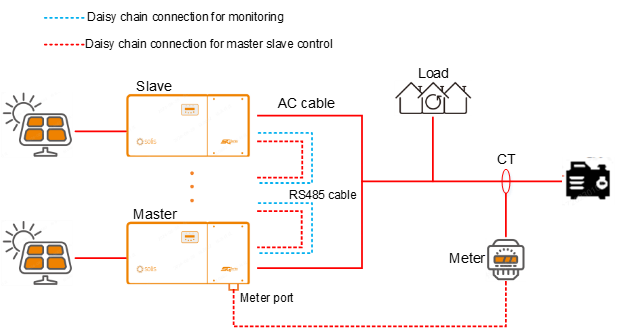
If you manage multiple generators, keeping track of each one can quickly become overwhelming. You want to avoid unexpected breakdowns, reduce downtime, and save money on repairs.
That’s where a generator sensor system comes in. Imagine having real-time information about every generator at your fingertips—temperature, fuel levels, and performance data—all in one place. This article will show you exactly how to use a generator sensor system with multiple generators to take control, improve efficiency, and protect your investment.
Keep reading to discover simple steps that make a big difference for your power setup.
Generator Sensor System Basics
A generator sensor systemhelps monitor and control multiple generators easily. It keeps track of each generator’s performanceand health. This system prevents failures and ensures smooth operation.
Key componentsinclude sensors, a control unit, and communication links. Sensors collect data. The control unit processes and sends alerts. Communication links connect sensors to the control unit.
- Types of sensorsused are temperature, vibration, fuel level, and voltage sensors.
- Temperature sensors detect overheating.
- Vibration sensors spot unusual movements.
- Fuel level sensors track fuel usage.
- Voltage sensors monitor electrical output.
Sensor placementis important for accurate data. Place sensors near the engine, fuel tank, and electrical parts. Proper placement helps catch problems early and keeps the system reliable.

Credit: www.bisonindustry.com
Multiple Generator Setup
Multiple generators need to work together smoothly. This requires synchronizationto match their speed and voltage. Without this, generators may get damaged or fail to share power.
Load sharinghelps balance power among generators. Each generator takes a part of the total load. This keeps the system stable and avoids overload on one unit.
| Communication Protocols | Purpose |
|---|---|
| Modbus | Simple data exchange between sensors and controllers |
| CAN Bus | Fast and reliable communication in noisy environments |
| Ethernet | High-speed data transfer for advanced monitoring |
Installation Process
Start by connecting all sensor wires to the correct terminals on each generator. Ensure the wires are secure and insulated to avoid shorts. Use color-coded cables to keep track of connections easily.
Attach sensors firmly on the generator surface where they can best detect vibrations or temperature changes. Use brackets or adhesive pads to mount sensors. Avoid placing sensors near heat sources or moving parts.
Adjust sensor settings to match each generator’s specifications. Use a calibration tool to set the baseline readings. Check sensor output and tweak settings until the readings are stable and accurate.
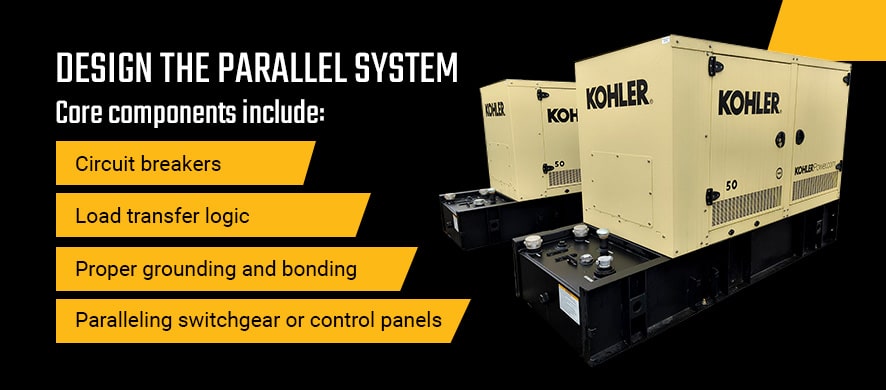
Credit: woodstockpower.com
Data Monitoring And Analysis
Real-time data trackinglets you see generator status instantly. It shows fuel levels, temperature, and power output. This helps catch problems early and avoid downtime.
Fault detectionalerts you when something goes wrong. Sensors spot issues like overheating or low oil pressure. Quick alerts mean faster fixes, saving time and money.
Performance optimizationuses data to run generators efficiently. It finds the best times to run each generator. This lowers fuel use and extends machine life.
Maintenance Tips
Routine checks keep the generator sensor systemworking well. Inspect sensors for damage or loose wires. Check connections to avoid signal loss. Monitor sensor readings regularly to spot unusual changes.
Sensor cleaning helps maintain accurate data. Use a soft brush or cloth to remove dust and dirt. Avoid water or harsh chemicals on sensors. Clean sensors every few months or as needed.
| Troubleshooting Issue | Possible Cause | Suggested Action |
|---|---|---|
| Sensor not responding | Loose connection | Check and tighten wires |
| Incorrect sensor readings | Dirty sensor surface | Clean sensor gently |
| No data from sensor | Sensor failure | Replace sensor |
Common Challenges
Signal interferencecan cause wrong readings from sensors. It happens when wires or devices send unwanted signals. This makes the system less accurateand unreliable. Shielded cables and proper grounding help reduce this problem.
Sensor failuresoccur due to wear, dirt, or damage. Faulty sensors give incorrect dataor stop working. Regular checks and cleaning keep sensors in good shape.
Integration issuesarise when sensors and generators do not work well together. Different brands or models might use different protocols. This causes communication errors. Using compatible equipment and updating software helps fix this.
Advanced Features
The generator sensor systemhelps track multiple generators from one place. Remote monitoringallows you to see the status of all generators online. You can check power output, fuel levels, and runtime easily.
Predictive maintenanceuses data to find problems before they happen. This saves time and money by avoiding sudden breakdowns. Sensors send info about engine health and wear.
- Automated alertsnotify you by email or text.
- Alerts warn about low fuel, overheating, or faults.
- Quick action helps keep the system running smoothly.
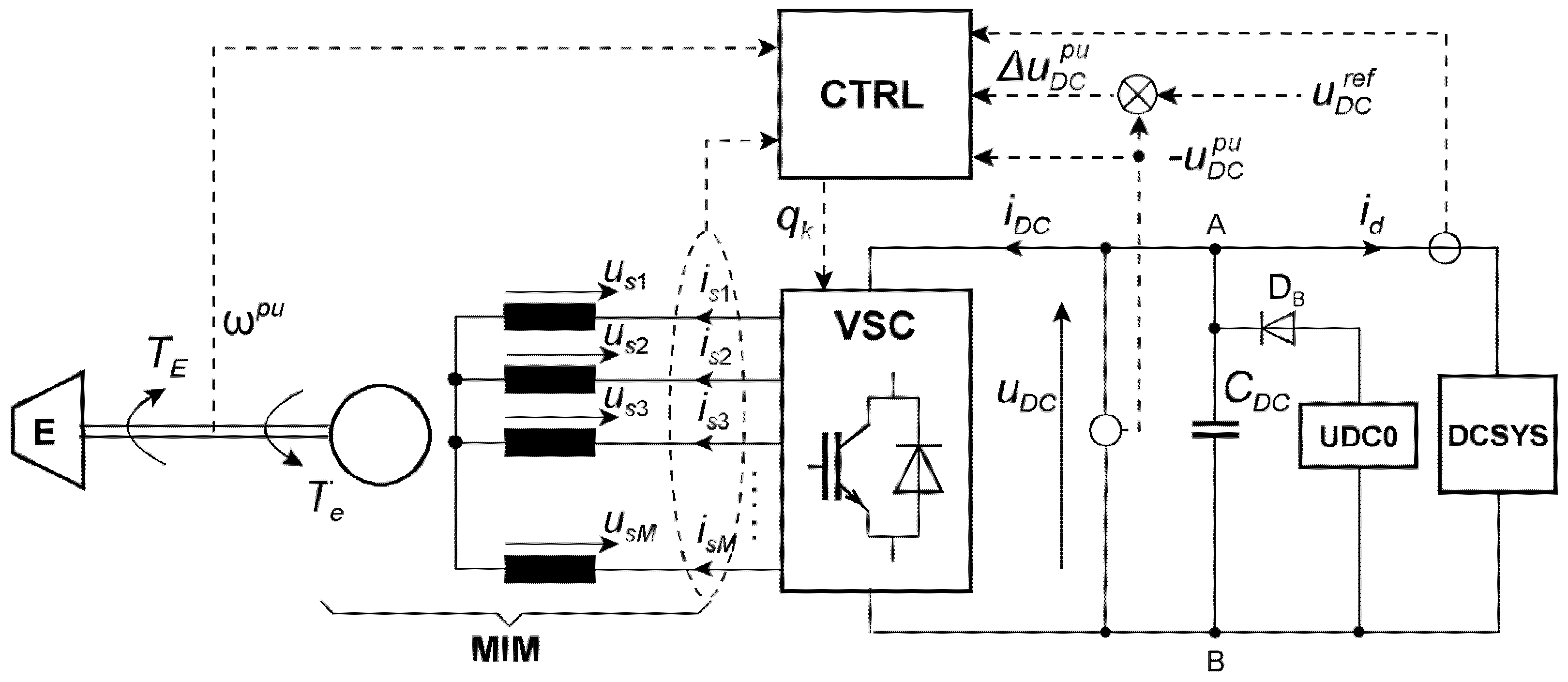
Credit: www.mdpi.com
Frequently Asked Questions
What Is A Generator Sensor System?
A generator sensor system monitors key parameters like temperature and voltage. It ensures efficient operation and early fault detection. This system helps manage multiple generators effectively, preventing downtime and enhancing performance.
How Does A Sensor System Work With Multiple Generators?
The sensor system collects data from each generator simultaneously. It centralizes monitoring to track performance and detect issues quickly. This integration improves coordination and maintenance of all generators in real-time.
Why Use A Generator Sensor System For Multiple Units?
Using a sensor system increases reliability and efficiency. It reduces manual checks and allows remote monitoring of multiple generators. This approach saves time, lowers maintenance costs, and prevents unexpected failures.
Can Sensor Systems Prevent Generator Overload?
Yes, sensor systems detect overload conditions by monitoring load and output. They trigger alerts or shut down generators to avoid damage. This protective feature ensures safe operation and prolongs generator life.
Conclusion
Understanding generator sensor systems is vital for efficiency. Multiple generators require careful management. Using these systems ensures seamless operation. Regular maintenance checks are essential. This minimizes downtime and maximizes performance. Keep safety a top priority. Proper installation prevents potential hazards.
Always consult professionals for complex setups. Following these steps ensures smooth generator operation. Reliable systems lead to uninterrupted power supply. Your energy needs remain secure and efficient. Implement these tips for a dependable power solution.