Imagine the power goes out unexpectedly. How would you ensure your home or business remains functional?
The answer lies in understanding how to use generator sensors for emergency backup. These sensors are like vigilant guardians, constantly monitoring and ensuring your generator kicks in precisely when you need it. By mastering this technology, you can protect your valuable appliances and maintain peace of mind during power outages.
Dive into this guide, and you’ll discover how easy it is to harness the reliability of generator sensors, keeping your world running smoothly, even when the lights go out. Ready to explore this essential tool for your emergency preparedness? Let’s get started.
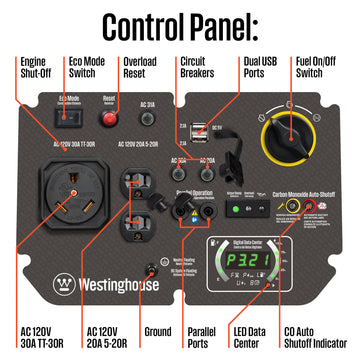
Credit: westinghouse.com
Types Of Generator Sensors
Temperature sensorskeep track of the generator’s heat. They help stop overheating, which can cause damage. These sensors ensure the engine stays at a safe temperature.
Pressure sensorscheck oil and coolant levels. Low pressure can lead to engine failure. These sensors alert users to fix issues fast.
Fuel level sensorsshow how much fuel remains. They help avoid running out of fuel during a power outage. This keeps the generator ready to work.
Vibration sensorsdetect unusual shaking. This can mean parts are loose or broken. Early warnings help prevent bigger problems.
Voltage and current sensorsmeasure power output. They ensure the generator gives stable electricity. This protects devices connected to the generator.

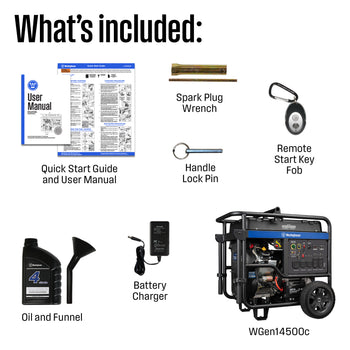
Credit: westinghouseoutdoorpower.com
Choosing Sensors For Backup Generators
Choosing the right sensor for your backup generator is key. Sensors must be compatiblewith your generator’s model to work well. Some sensors fit only certain brands or types. Check the sensor’s specs before buying.
Accuracyand reliabilitymatter a lot. Sensors should give precise readingsto avoid false alarms or missed signals. Look for sensors tested under real conditions.
Consider the environmentwhere the sensor will be used. Sensors must resist dust, water, and extreme temperatures. Outdoor sensors need to be weatherproof.
| Factor | What to Check |
|---|---|
| Compatibility | Match sensor with generator model and brand |
| Accuracy & Reliability | Tested sensor with precise and steady readings |
| Environmental | Sensor must resist dust, water, and temperature |
| Cost & Maintenance | Affordable sensor that is easy to maintain |
Cost and maintenance also affect choice. Choose sensors that are affordableand easy to clean or replace. Low maintenance saves time and money.
Installing Generator Sensors
Place sensors where they can easily detect engine changes. Avoid spots with dirt or water. Mount sensors firmly to prevent shaking or falling. Use brackets or clamps for secure fixing. Keep sensors away from heat sources for accurate readings.
Connect sensor wires carefully to the control panel. Use labeled wires for easy identification. Ensure tight connections to avoid power loss. Follow the wiring diagram provided by the manufacturer. Use waterproof connectors for outdoor setups.
Calibrate sensors to match your generator model. Use the control panel to adjust sensor settings. Test sensors by simulating different conditions. Make small changes and check sensor response. Proper calibration ensures reliable sensor data.
- Turn off the generator before installing sensors.
- Wear gloves and safety glasses during installation.
- Keep wires away from moving parts.
- Do not touch live wires to avoid electric shock.
- Follow manufacturer safety instructions strictly.
Integrating Sensors With Control Systems
Generator sensors provide real-time datato control systems. This helps monitor voltage, current, and temperatureeasily.
Automated alerts notify users about faults or failures. Alarms can trigger when values go beyond safe limits.
Remote access allows control from anywhere. Users can start, stop, or check generator status remotely.
Data logging stores sensor readings for future analysis. This helps spot patterns and schedule maintenance on time.
| Feature | Benefit |
|---|---|
| Sensor Data Monitoring | Tracks generator health in real-time |
| Automated Alerts and Alarms | Quickly warns about problems |
| Remote Access and Control | Operate generator from anywhere |
| Data Logging and Analysis | Helps plan maintenance effectively |
Testing And Troubleshooting
Regular sensor testingensures the generator runs smoothly during power outages. Test sensors monthly by checking their readings against known standards. Use a multimeter to measure sensor output and compare it with the expected values. Watch for any delays or false alarmsthat may indicate sensor problems. Keep a log of test results to track sensor health over time.
Common sensor issues include signal loss, incorrect readings, and sensor failure. Fix signal loss by checking wiring connections and cleaning sensor contacts. Incorrect readings often need sensor recalibration or resetting the system. Replace any sensor that shows consistent failure or physical damage.
| Sensor Issue | Cause | Fix |
|---|---|---|
| Signal Loss | Loose or damaged wires | Check and secure connections |
| Wrong Readings | Calibration needed | Recalibrate or reset sensor |
| Sensor Failure | Physical damage | Replace sensor |
Replace sensors following manufacturer guidelines. Use only compatible parts. Turn off the generator before replacement. Test new sensors to confirm proper function. Proper sensor care extends generator life and improves emergency response.

Credit: westinghouseoutdoorpower.com
Maximizing Backup Efficiency
Generator sensorshelp monitor key parts to keep backup power ready. Sensors track fuel level, temperature, and oil pressure. This data helps avoid sudden failures.
Regular checks improve sensor accuracy. Clean sensors and replace damaged ones fast. This keeps the system alert and responsive.
| Preventive Maintenance | Energy Management Tips |
|---|---|
|
|
Frequently Asked Questions
What Are Generator Sensors Used For In Emergencies?
Generator sensors monitor critical parameters like fuel level, temperature, and voltage. They ensure the generator runs smoothly during power outages. These sensors help prevent failures and maintain reliable emergency backup power.
How Do Generator Sensors Improve Backup System Reliability?
Sensors provide real-time data to detect issues early. They alert users to potential faults, enabling timely maintenance. This proactive approach reduces downtime and ensures the backup generator operates efficiently during emergencies.
Can Generator Sensors Detect Fuel Shortages Automatically?
Yes, fuel level sensors track the amount of fuel in real-time. They send alerts when fuel is low, preventing unexpected shutdowns. This feature helps maintain continuous power supply during critical times.
Are Generator Sensors Compatible With All Emergency Backup Systems?
Most modern generator sensors are designed to work with various backup systems. Compatibility depends on sensor type and system specifications. Always check manufacturer guidelines to ensure proper integration and performance.
Conclusion
Generator sensors help keep your backup power reliable and safe. They detect problems early and alert you quickly. This avoids surprises during power outages. Using sensors saves time and money on repairs. They also make your generator work more efficiently.
Simple to install and easy to use, sensors improve your emergency plans. Trusting these tools means peace of mind when electricity goes out. Stay prepared, stay safe, and keep your power steady with generator sensors.