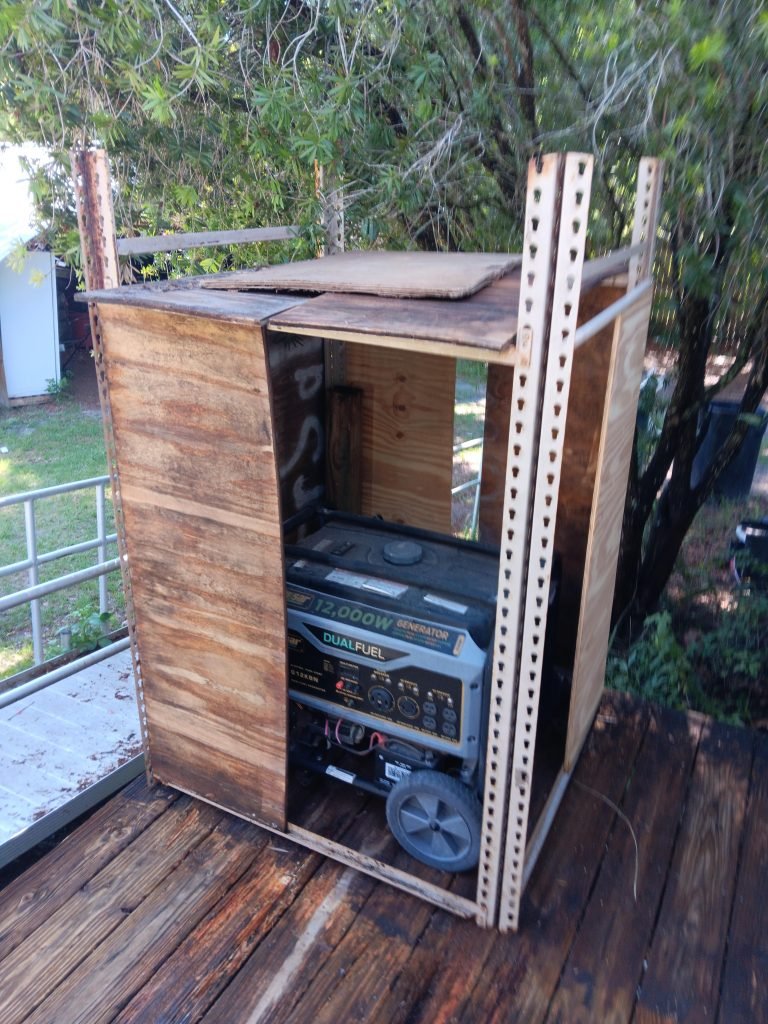
Are you worried about keeping your generator running smoothly and safely? You’re not alone.
Many people overlook a crucial aspect of generator maintenance—proper ventilation. Without it, your generator could overheat, leading to costly repairs or even dangerous situations. Imagine the peace of mind knowing your generator is functioning efficiently, ready to power your home whenever you need it.
You’ll discover simple, actionable steps to ventilate your generator enclosure effectively, ensuring its longevity and safety. Stick around, and unlock the secrets to a worry-free power backup system that serves you well for years.
Importance Of Generator Ventilation
Proper ventilationis essential to keep the generator cooland safe. Heat can build up quickly inside an enclosure, causing damageto parts and reducing the generator’s life. Hot air needs to escape, and fresh air must enter to prevent overheating.
Generators produce carbon monoxide, a dangerous gas. Without good airflow, this gas can gather and cause serious health risks. Proper ventilation helps move the carbon monoxide out, keeping the area safe for people.
Good ventilation also helps the generator run better and use fuel more efficiently. Cool air keeps the engine at the right temperature, improving performanceand lowering wear and tear. This means fewer repairs and longer use.
Types Of Generator Enclosures
Open Frame Enclosuresare simple and cost-effective. They allow easy airflowto keep the generator cool. But they offer little protection from weather or noise.
Weatherproof Enclosuresprotect the generator from rain, dust, and snow. They have sealed designsthat keep water out but allow enough ventilation for cooling. Ideal for outdoor use.
Soundproof Enclosuresreduce noise from the generator. They use special materialsto block sound while still providing airflow. Perfect for places where noise must be low.
Ventilation Methods
Natural ventilationuses air movement without machines. Openings like vents or louvers help air flow. Cool air enters at the bottom, hot air escapes at the top. This keeps the generator cool and stops heat buildup.
For better air flow, place vents on opposite sides. Use screens to keep bugs out. Make sure vents are not blocked by objects or walls.
- Forced ventilationuses fans or blowers to push air.
- Fans bring fresh air in or push hot air out.
- This is good for small or sealed enclosures.
- It controls temperature more quickly than natural ways.
Exhaust fansremove hot air from inside the enclosure. They are placed near the top because hot air rises. This helps keep the generator cool and safe. Use fans with the right size and power for your space.
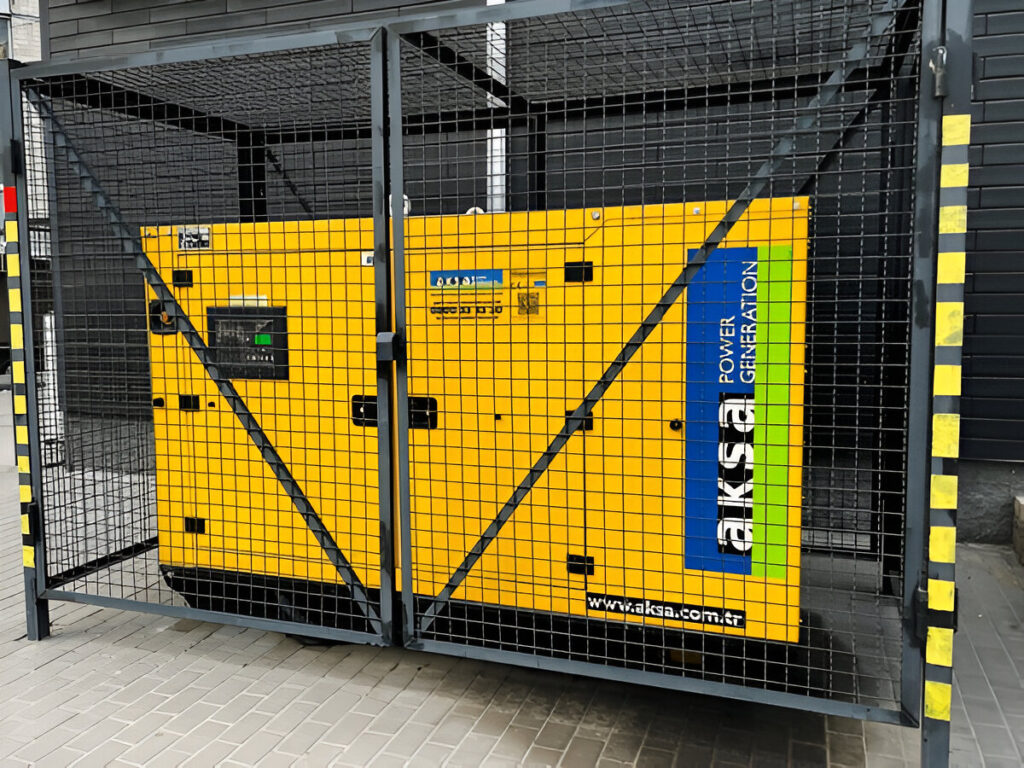
Credit: bcdieselgenerators.com
Designing Ventilation Systems
Calculate the airflow neededfor the generator enclosure carefully. Use the generator’s heat output to find the right airflow. Proper airflow keeps the generator cool and safe.
Place intake vents lowon the enclosure to bring in cool air. Position exhaust vents highto let hot air escape. This setup helps air move naturally.
Good air circulation is key. Avoid blocking vents with objects or walls. Make sure air flows freely from intake to exhaust. This stops heat build-up and keeps the generator running well.
Materials And Components
Durable vent covershelp protect the generator enclosure from damage. Choose covers made from metal or high-quality plastic. These materials last longer and resist wear. Vent covers must allow good airflowto prevent overheating. Designs with mesh or slatskeep debris and pests out.
Fire-resistant materialsare vital for safety. Use covers and seals made from non-flammable substances. This reduces fire risks caused by sparks or heat. Common choices include steel, aluminum, and special fireproof plastics. These materials also stand up to high temperatures.
Weatherproof sealsstop water, dust, and insects from entering the enclosure. Look for seals made of rubber or silicone. These keep the inside dry and clean. Proper sealing helps keep the generator working well and lasts longer.

Credit: bcdieselgenerators.com
Safety Precautions
Blocked ventscan cause dangerous heat and gas buildup inside the generator enclosure. Keep all vents clear of debris, leaves, and snow. Check vents often, especially after storms or heavy winds. Proper airflow is vital for safe generator operation.
Regular maintenance helps spot problems early. Inspect the enclosure and vents for cracks or damage. Clean dust and dirt from vent screens. Replace filters as needed. A well-maintained enclosure lasts longer and works more safely.
Carbon monoxide is a silent, deadly gas from running generators. Install carbon monoxide detectorsnear the enclosure. Test detectors monthly to ensure they work. Never run a generator in a closed or poorly ventilated space. Proper ventilation lowers risks.
Common Ventilation Mistakes
Choosing the correct vent sizeis crucial for proper airflow. Small vents restrict air, causing overheating. Oversized vents may let in dirt and rain. Balance is key.
Environmental factorslike wind, rain, and dust affect ventilation. Ignoring these can lead to damageor poor air circulation. Placement should consider local weather.
Placing vents in the wrong spots stops fresh air from entering. Vents near exhaust areas can cause recirculationof hot air. Proper vent placement ensures efficientcooling and safe operation.
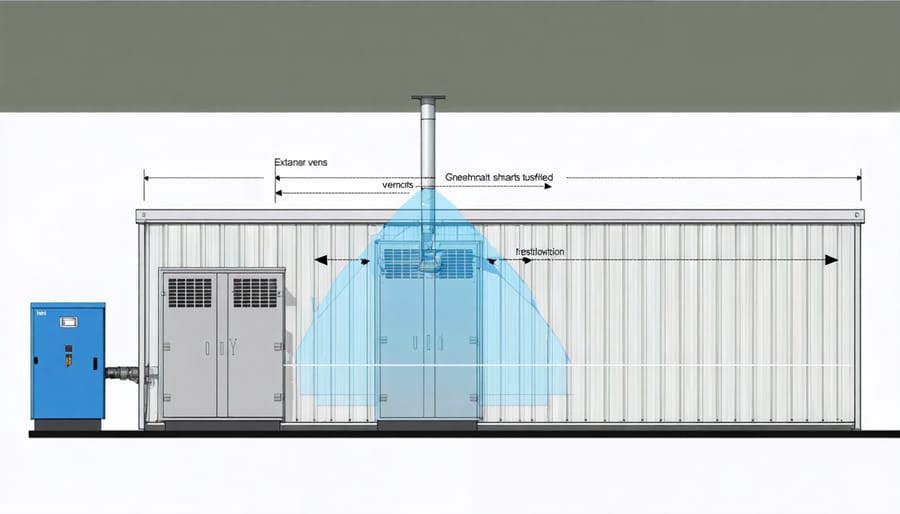
Credit: storageshedsoutlet.com
Upgrading Existing Enclosures
Retrofitting ventilation openings helps cool the generator. Cut openings on opposite sides to allow fresh air in and hot air out. Use mesh or louvers to keep debris and bugs away.
Adding exhaust fans speeds up hot air removal. Place fans near the hot air exit points. Choose fans with good airflow but low noise. Power fans with the generator or a separate source.
Improving airflow pathways means clearing blockages inside the enclosure. Keep cables and parts away from vents. Use ducting if needed to guide air directly over the hottest parts.
Frequently Asked Questions
How Important Is Ventilation For Generator Enclosures?
Proper ventilation prevents overheating and ensures efficient generator operation. It helps dissipate heat and removes harmful exhaust gases, protecting the generator and surrounding equipment.
What Are The Best Materials For Generator Enclosure Vents?
Use corrosion-resistant materials like aluminum or stainless steel for vents. These materials withstand weather conditions and ensure long-lasting, effective airflow for ventilation.
How To Calculate Airflow Needed For Generator Ventilation?
Calculate airflow by considering generator size, heat output, and enclosure volume. Use manufacturer guidelines or HVAC formulas to ensure sufficient ventilation and prevent overheating.
Can Passive Ventilation Be Enough For Generator Enclosures?
Passive ventilation may work for small, low-heat generators in mild climates. Larger or high-heat units usually require active ventilation for adequate cooling.
Conclusion
Proper ventilation keeps your generator cool and running well. It helps stop overheating and extends the machine’s life. Use vents and fans to move air through the enclosure. Keep the air flowing to avoid damage and reduce noise. Regular checks ensure your system works as it should.
Good ventilation is simple but very important for safety and performance. Remember, a well-ventilated enclosure means a reliable generator every time you need it.